What happened
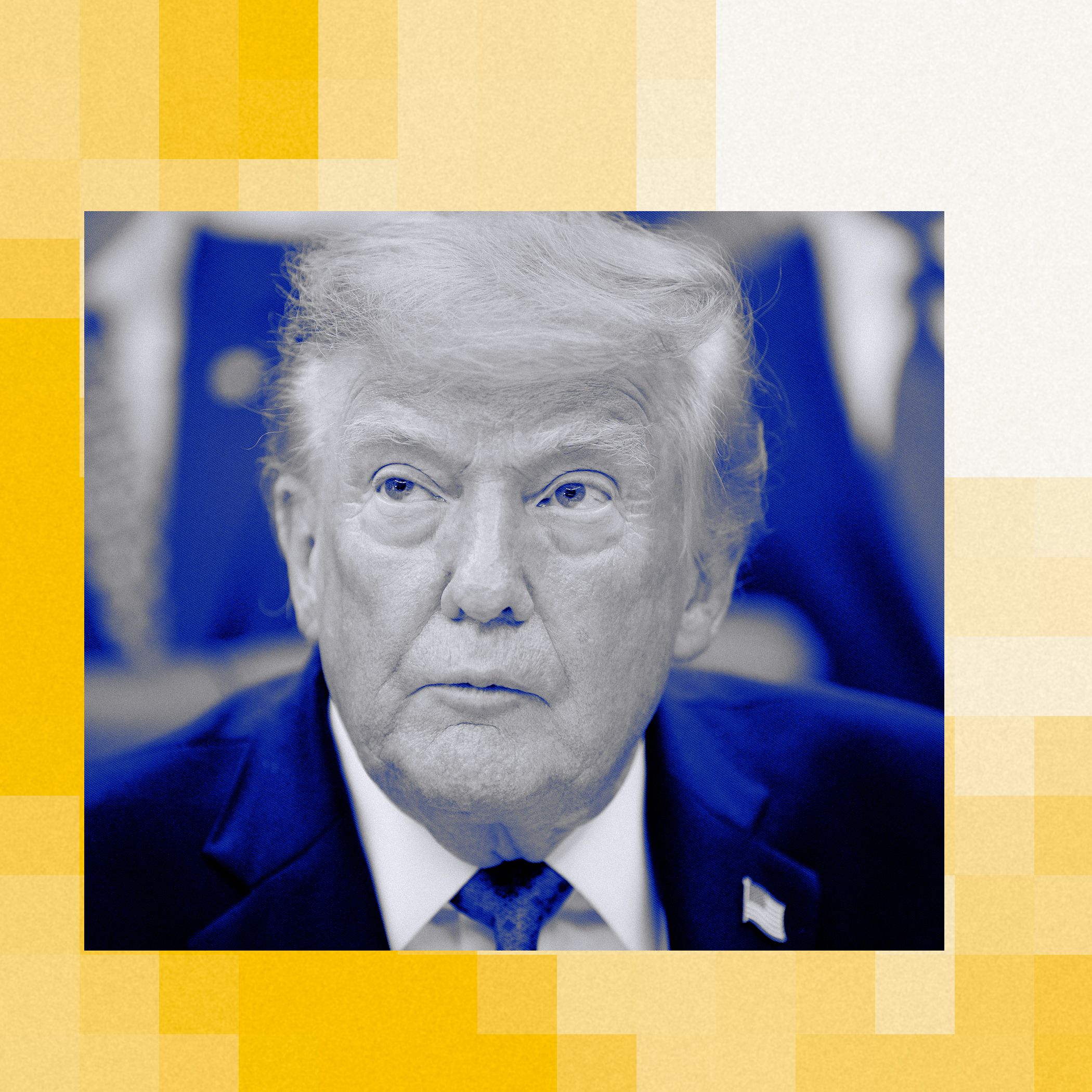
At a White House lunch, Trump signed an executive order declaring "artificial intelligence" a forbidden term and said the government will call it "Super Intelligence" instead.
Why it matters
The executives at the lunch did not object, so Trump could claim the leaders of the industry actively blessed his idea.
What to watch
The companies may do the minimum to avoid presidential ire and try to run out the clock until the next administration drops the idea.
WHO IT HITSThis lands on the executives running the largest AI companies, who now face a choice between adopting the new government term or quietly waiting out the order. Their non-response has already been read as endorsement, which may shape how regulators and the public view their independence.
Summaries like this, in your inbox every morning.
The term "artificial intelligence" dates back to 1956, when John McCarthy suggested it at a Dartmouth College meeting. It stuck so thoroughly that a Google Scholar search returns roughly 7,420,000 results for it. Trump's objection is linguistic: he says "artificial" makes intelligence sound fake, and after the lunch he called "artificial intelligence" an inappropriate term. That leap does not track with McCarthy's original intent, which was to distinguish human intelligence from the machine version. The episode also fits a pattern described by Jacob Weisberg, author of Profiles in Cowardice, who sees it as a classic loyalty test designed to see whether powerful people will demean themselves to avoid the president's wrath. The executives passed that test, but at a cost: their silence allowed Trump to tell reporters the name had been changed by "the biggest, the, smartest, the greatest people anywhere in the world." Whether the rebrand holds may depend less on the order itself than on how long the companies can avoid drawing attention while the next administration takes shape.
Pick your industry and the AI tools you use, and get news related to your work every day.
Free · 30 seconds with Google · unsubscribe anytimeWhat is AIToday? →
Ask AI anything about this article. The AI reads this article, earlier AIToday articles, and Wikipedia, and cites its sources. Q&As are published on this page for other readers too.
A Japanese edition of Machine Learning for High-Risk Applications (O'Reilly Japan, 2025) describes how Zillow'…

A Fortune commentary argues AI is collapsing the cost of fake identities, while a 2025 BIS test found quantum-…
The SEC revealed cases where fund advisors allegedly sold investors pre-IPO shares of SpaceX, OpenAI and other…

The U.S. Justice Department says Hao Global and its executive pleaded guilty in October 2025 to smuggling, aft…

AWS CEO Matt Garman posted a more than 3,000 word blog calling for support of AI data center projects and warn…
California Gov. Gavin Newsom signed laws intended to protect workers from AI risks, AP News reports