What happened
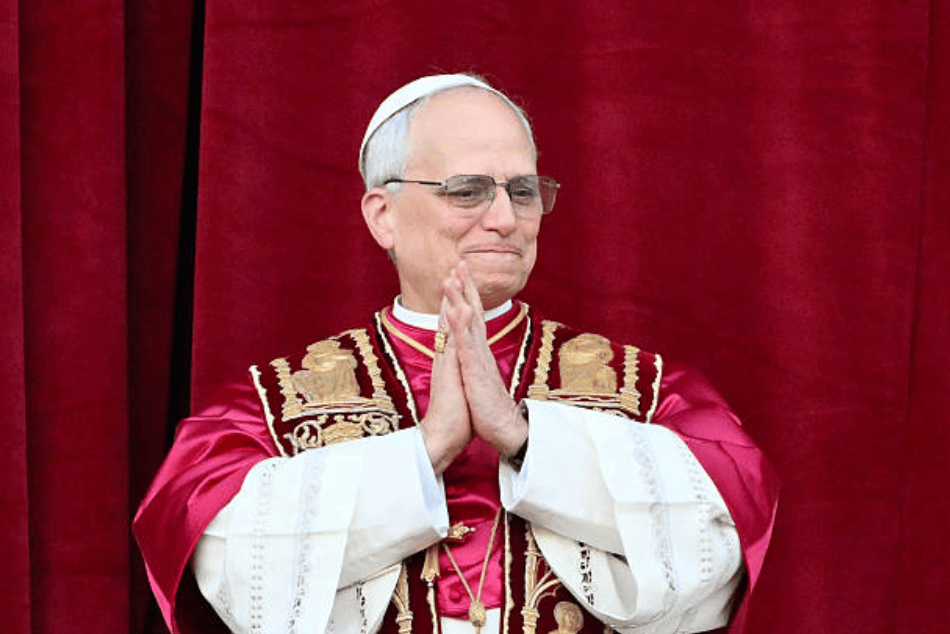
Pope Leo XIV said in an X post Friday morning that "it is becoming urgent to distinguish human art from what machines produce," and that there is an "ontological difference" between the two.
Why it matters
The pontiff's statement frames the output of machines as fundamentally different from human-made work rather than merely different in style or skill, a claim made as part of a call to protect human art.
What to watch
The pope gave a fuller statement on AI in an encyclical in May, so watch whether this post is followed by further formal teaching; Anthropic has lobbied the Vatican on the non-human consciousness question, per a recent New York Times report, apparently without success.
WHO IT HITSCompanies selling AI image and content generation tools now face criticism from one of the world's most visible moral authorities, which could weigh on how their products are received by religious institutions and their congregations.
Summaries like this, in your inbox every morning.
Pope Leo XIV did not confine himself to a single post. In an encyclical letter in May, he made a more detailed statement on AI, emphasizing the importance of human dignity in a world of increasing automation. Friday's post on X can be read as a narrower application of that theme to art specifically, using the same vocabulary of human versus machine that runs through the earlier letter.
The body also shows that this position is not going unchallenged. According to a recent New York Times report, Anthropic has actively lobbied the Vatican to reconsider its position on non-human consciousness, apparently finding little success. The pope's post does not respond to that lobbying directly, but it restates a boundary between human and machine output at a moment when such boundaries are being argued over by AI companies themselves.
What happens next hinges less on this single post than on whether the Vatican extends the argument into further formal teaching or into practical guidance for institutions that use AI tools. The pope's wording leaves the aesthetic question open, placing the difference somewhere deeper than taste or technique before any question of how machine-made images look.
Pick your industry and the AI tools you use, and get news related to your work every day.
Free · 30 seconds with Google · unsubscribe anytimeWhat is AIToday? →
Ask AI anything about this article. The AI reads this article, earlier AIToday articles, and Wikipedia, and cites its sources. Q&As are published on this page for other readers too.
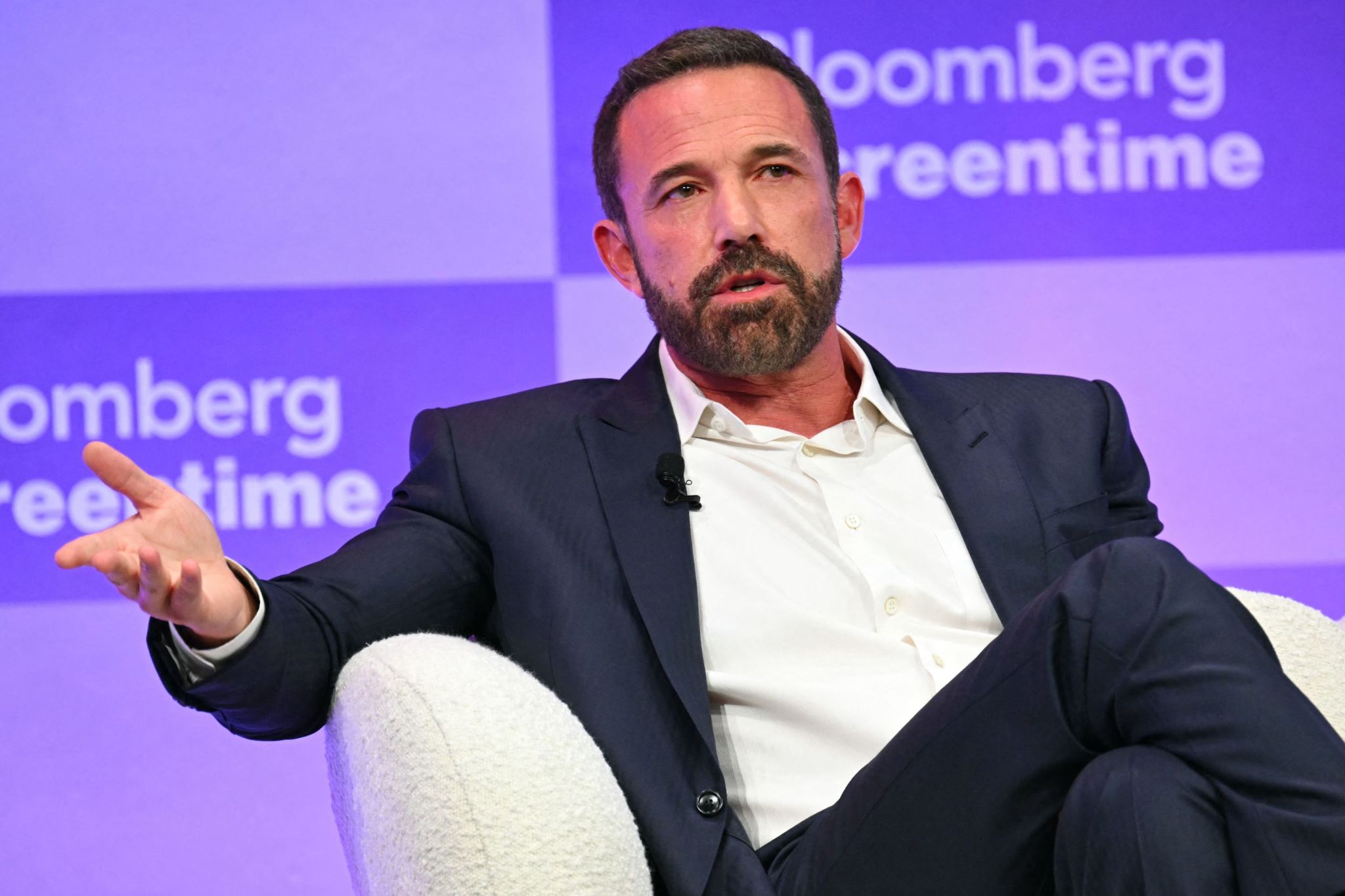
Ben Affleck told Bloomberg that once people actually use AI, the "It's going to kill us all" narrative looks l…
A Japanese edition of Machine Learning for High-Risk Applications (O'Reilly Japan, 2025) describes how Zillow'…

Google's September roundup is headlined by Gemini 4 Argon, a frontier model with a 1-million-token context win…
A Fortune commentary argues AI is collapsing the cost of fake identities, while a 2025 BIS test found quantum-…
The International Rescue Committee's research lead says the aid sector should be 'all in on AI' after testing…

At Fortune's AIQ Summit, Bank of America's Hari Gopalkrishnan said the bank evaluates AI across 16 risk dimens…