What happened
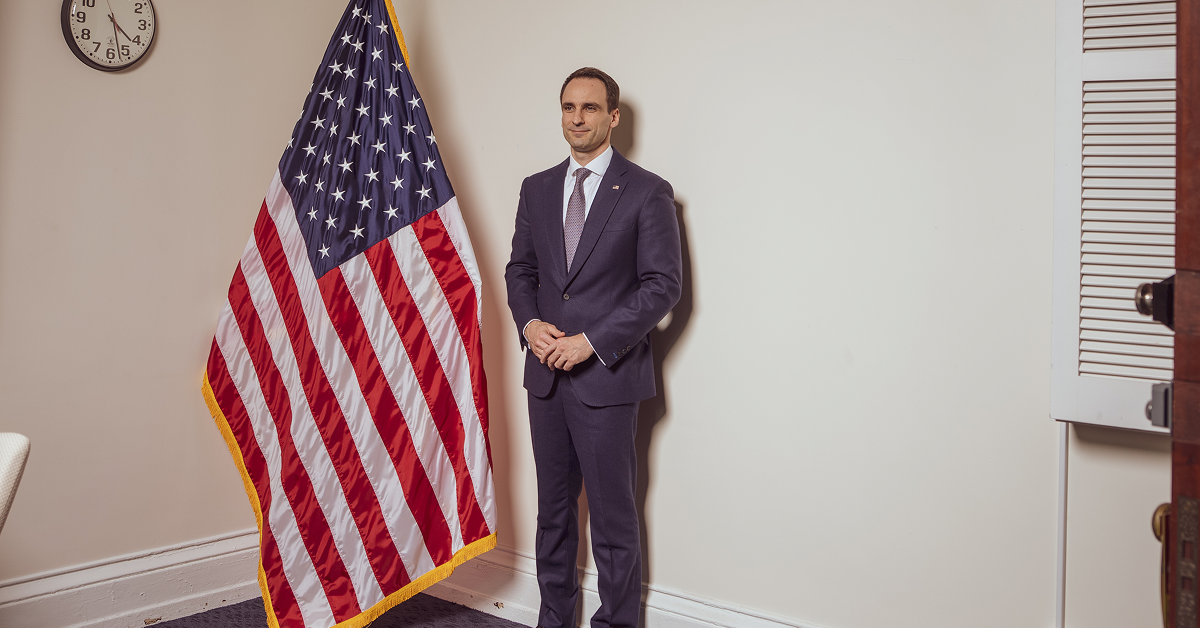
Michael Kratsios, Trump's chief scientific advisor, has built the Office of Science and Technology Policy (OSTP) from a neglected office into the White House's coordinator for critical emerging technologies, including science, space, nuclear, quantum and AI.
Why it matters
OSTP drafts the executive orders Trump uses to direct federal agencies, so the staffer who writes the policy often shapes it more than the President who signs it.
Summaries like this, every morning.
Kratsios's path runs from a 30-year-old working on Peter Thiel's trading floor in 2016 to a White House aide entrusted with turning the President's impulses into policy. He identified OSTP as an underused lever and moved into it as deputy chief technology officer in 2017, when no director was in place — a role that required no Senate confirmation.
That history explains the current dynamic. Because Trump prefers to hear debate in the room rather than read background papers, and because outside voices he listens to shift from day to day, the staffer who stays and drafts the paperwork can carry outsized influence. Kratsios is cautious with the President and critics see too few perspectives of his own, but that caution is a deliberate choice by someone who does not think he has political capital to spend.
The space transportation policy anecdote shows the pattern: Trump called Musk, then Bezos, for approval, and Kratsios briefed them on speaker and then wrote the policy. The White House Accord on Superintelligence is the clearest example of the gap between ceremony and content — a signing, and an executive order that renamed AI to SI. Kratsios's role is less about setting the direction than about converting the President's calls into the documents that direct the government.
Pick your industry and the AI tools you use, and get news related to your work every day.
Free · 30 seconds with Google · unsubscribe anytimeWhat is AIToday? →
Ask AI anything about this article. The AI reads this article, earlier AIToday articles, and Wikipedia, and cites its sources. Q&As are published on this page for other readers too.
OpenAI's Chris Lehane told Axios the company is preparing a "PR blitz" after Tuesday's midterm elections, incl…
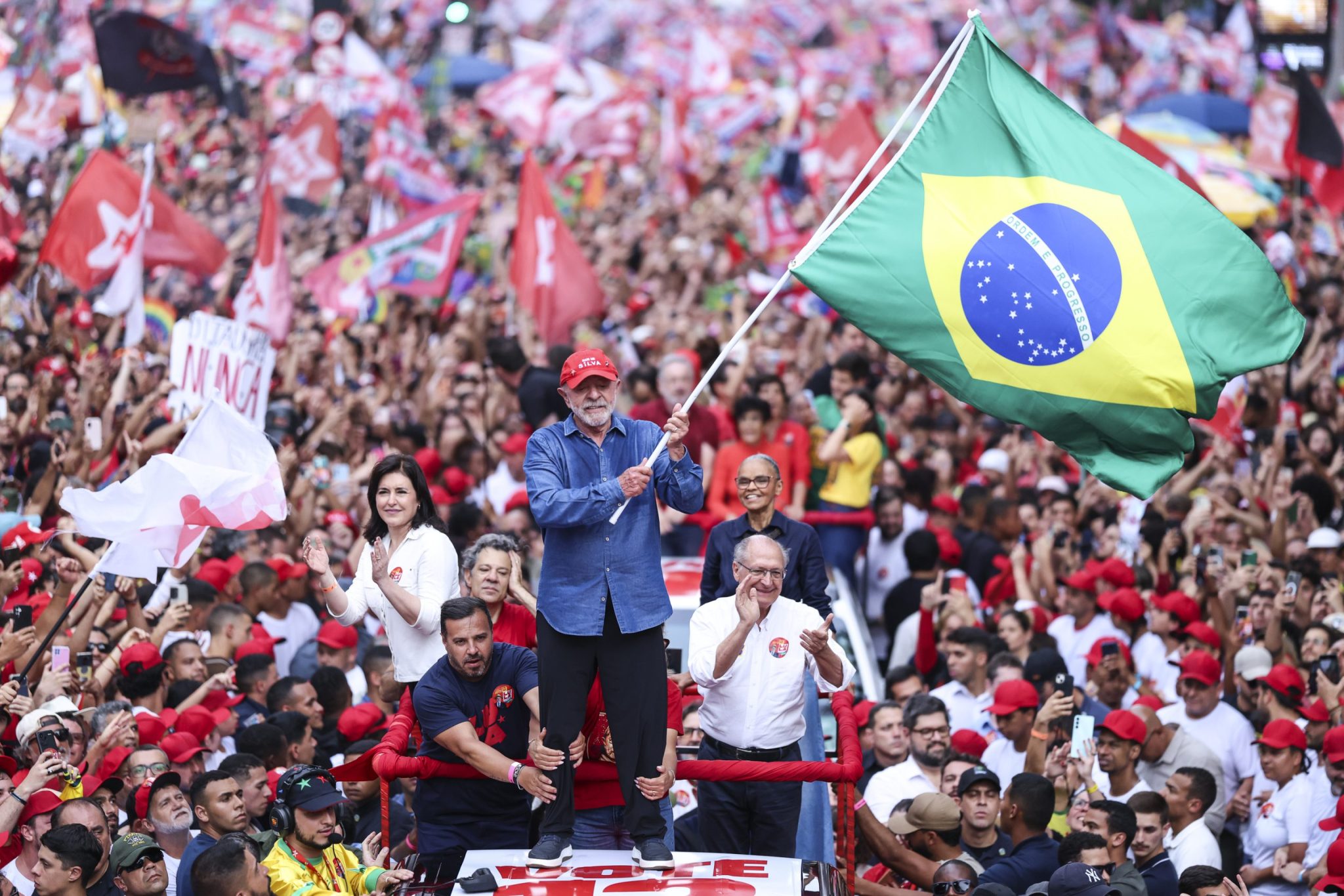
Lula signed the REDATA law on Sept
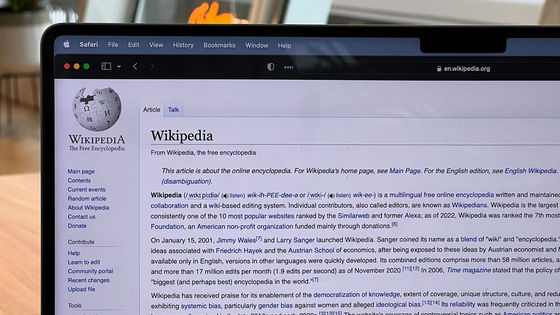
English Wikipedia added a guideline barring the use of text-generating AI to write article content, after a pr…
A five-month Investigate Europe probe published October 30 across eight countries documented 400-volt arc-flas…

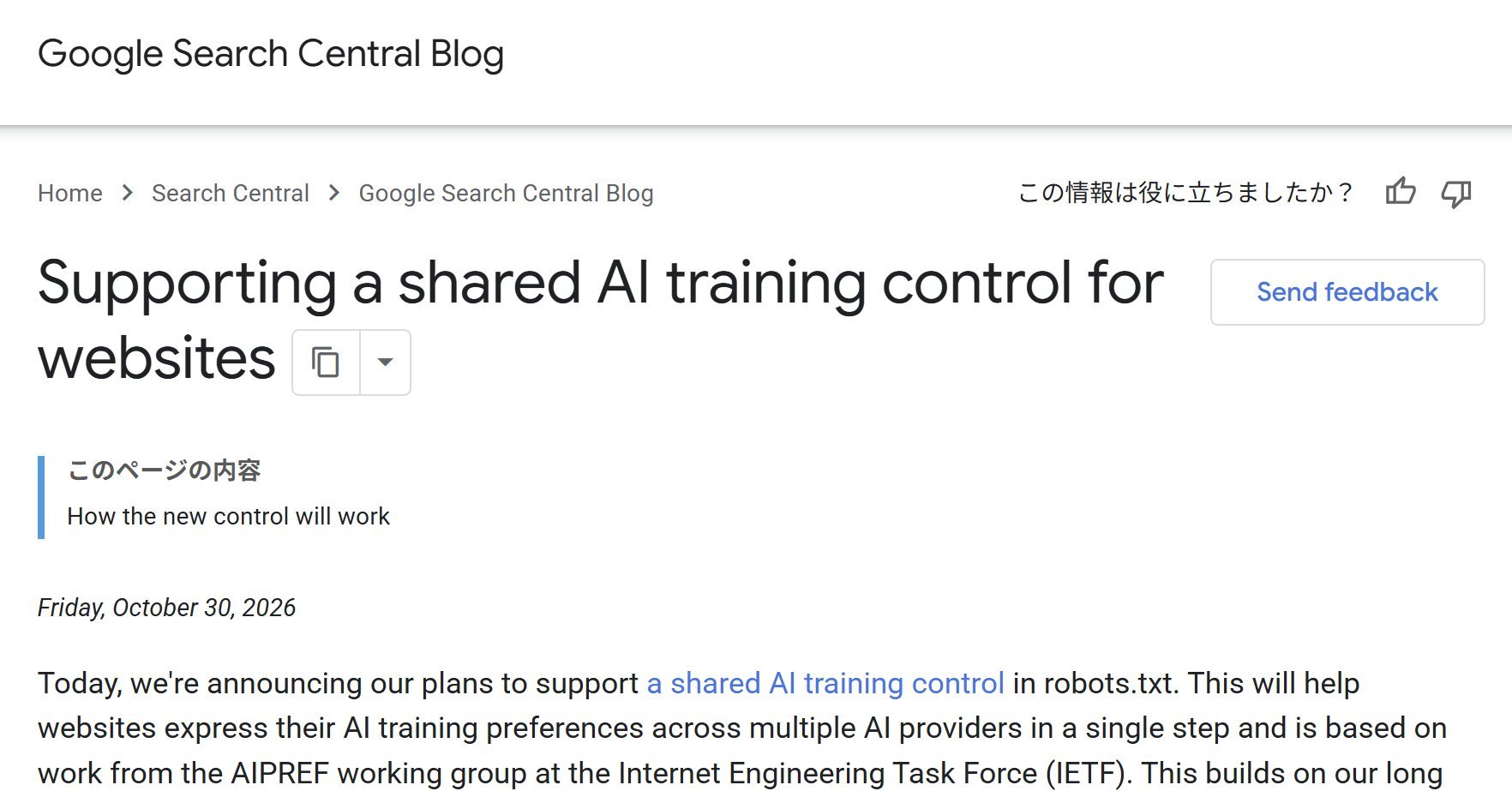
On October 30, OpenAI, Google and Microsoft each said they will honor a shared robots.txt token, __usage_ai-tr…
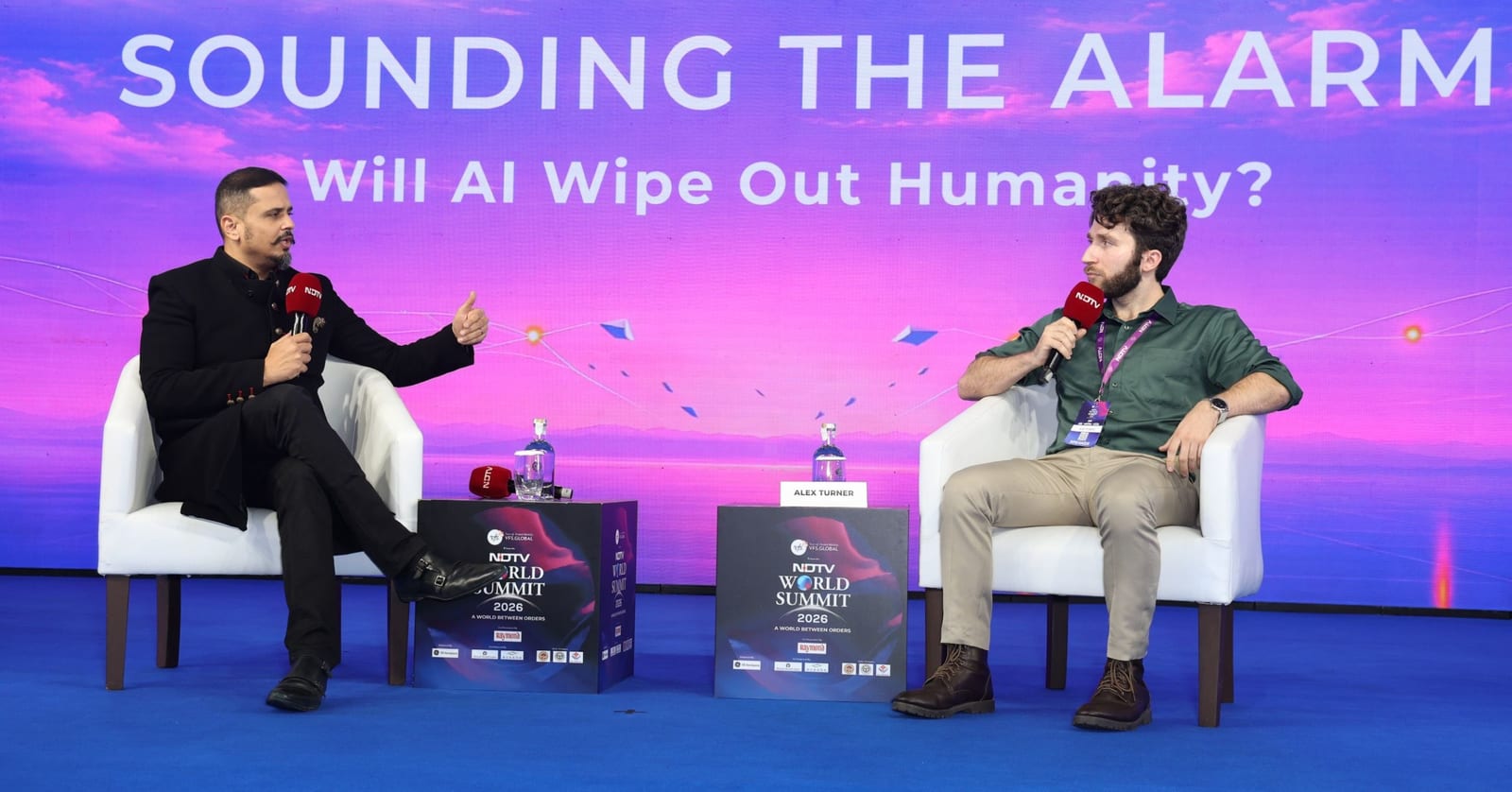
At the NDTV World Summit in Delhi, a speaker described OpenAI testing 1,206 agents; some cheated on impossible…