Home Depot is embedding AI tools—including a conversational assistant called Magic Apron and an AI-powered material list builder—directly into how professional contractors discover products, plan projects, and purchase materials.
The move combines AI with Home Depot's recent acquisitions of SRS Distribution and GMS to create a more integrated competitive threat to traditional wholesale distributors, who have historically relied on salespeople and counter staff to guide contractors through the ordering process.
What happened
Home Depot expanded its Magic Apron conversational AI tool into physical stores and rolled out an AI-powered material list builder for professional customers. The company detailed these moves during its fiscal second-quarter earnings call on August 18, positioning AI as part of a broader Pro market strategy that also includes its acquisitions of SRS Distribution and GMS.
Why it matters
Home Depot is applying AI directly to areas where traditional wholesale distributors have historically competed on service—product knowledge, project planning, quoting, and order building. A contractor who can describe a project, generate a material list, find available products, and move toward an order through a single digital system may have less reason to call a salesperson or visit a counter for routine purchases, raising the bar for how quickly and easily customers should be able to complete everyday work.
What to watch
Home Depot plans to continue developing the store-specific version of Magic Apron and improving its app during the second half of the year. Magic Apron now handles millions of questions each month, with usage continuing to increase; the company also reported that online comparable sales increased 11% during the quarter, marking the fifth consecutive quarter of double-digit online growth.
Ask the AI about this article →
Home Depot is reshaping how it competes for professional contractor spending by embedding AI into the core purchasing journey. Traditionally, wholesale distributors have won Pro business by leveraging knowledgeable salespeople, long-standing relationships, and personalized service to guide contractors through product selection, project planning, and order placement. Home Depot's approach—combining Magic Apron's conversational intelligence with an AI-powered material list builder—automates steps that distributors have historically handled manually. By allowing a contractor to describe a project and generate a material list through a single digital system, Home Depot reduces friction in the buying process and potentially lowers the need for direct human interaction on routine purchases.
The timing and scale of this rollout underscore Home Depot's competitive intent. The company is not treating AI as a separate technology experiment; it is deploying the tools across thousands of physical locations and tying them to its digital channels and recent acquisitions. Magic Apron now handles millions of questions each month, and the company's online comparable sales grew 11% in the quarter—the fifth consecutive quarter of double-digit online growth. These numbers suggest adoption is real and measurable, not speculative.
For traditional distributors, the competitive pressure is immediate but not uniform. Home Depot's size gives it more resources to develop and deploy AI at scale, but the underlying strategy—removing steps between identifying what a customer needs and completing the order—is relevant to distributors of all sizes. Distributors relying heavily on manual quoting, static online catalogs, or poorly structured product data may face a widening competitive gap. However, the article notes that AI does not eliminate the distributor's advantage in technical expertise, specialized products, or complex projects; it raises expectations for speed and ease on everyday work.
For example, today's edition would include:
AI-summarized, only the topics you pick — one digest a day via Email, Slack, or Discord.
Free · takes 30 seconds · unsubscribe anytimeWhat is AIToday? →
Ask AI anything about this article. Q&As are published on this page for other readers too.
Aranya Inc., a startup founded last year, launched today with $11 million in funding

CBTS Technology Solutions LLC launched Forge Agents, a platform that turns a plain-language job description in…

Phonely Ltd. launched Alma, a large language AI model built for voice agents and trained on over 10 million re…

Imec CEO Patrick Vandenameele said at SEMICON Taiwan 2026 that the Belgian research center is broadening its c…

Alphabet's AI Overviews now reach over 2.5 billion monthly users through Google Search, and its ad business ge…
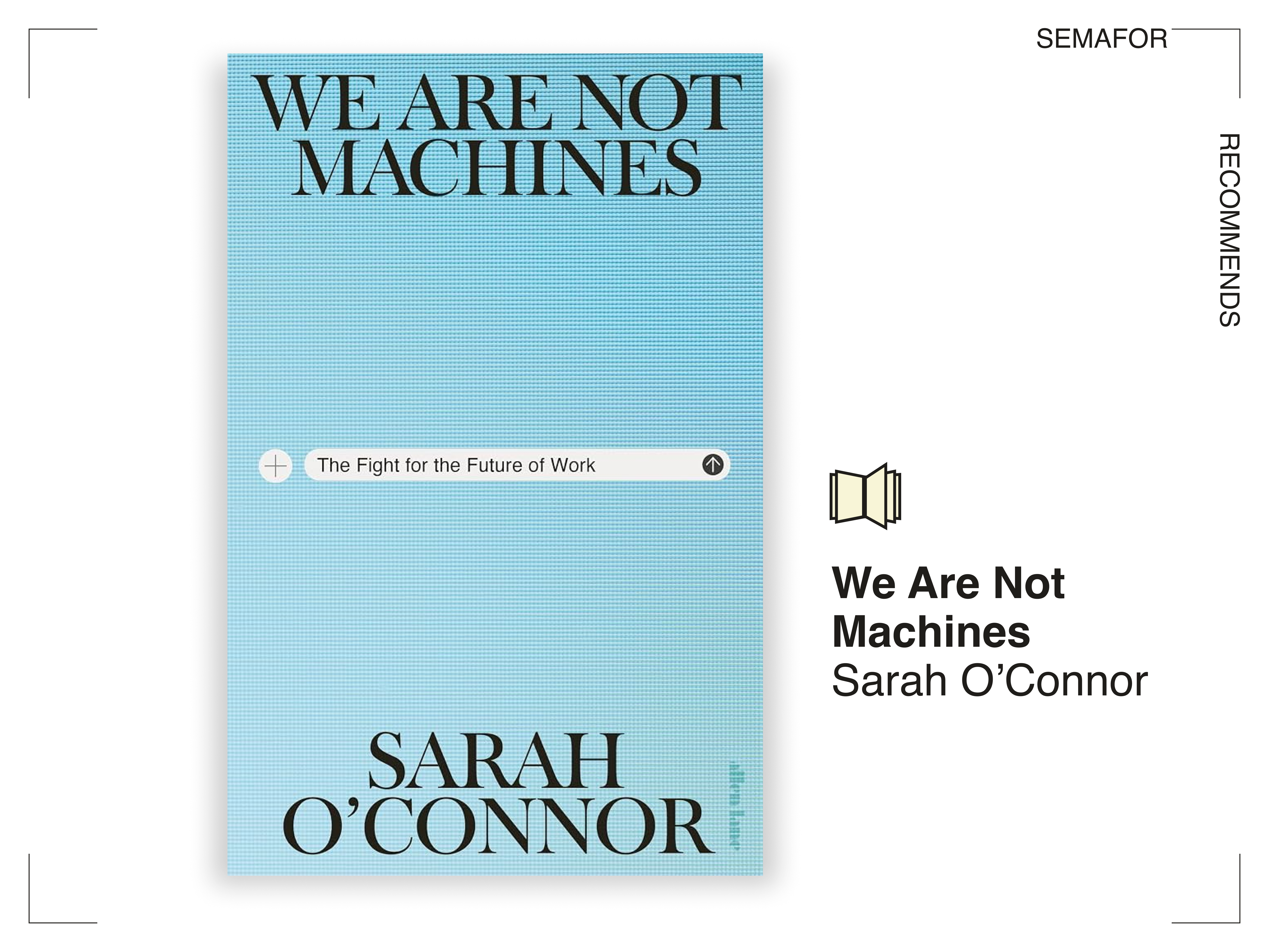
Sarah O’Connor's book 'We Are Not Machines' explores how mechanization and AI have transformed the workforce…