What happened
Bank of America's Savita Subramanian said the weighted average cost of capital for hyperscalers is now 10%, up from 4% in 2023, setting a 10% ROI threshold for AI investment.
Why it matters
Higher borrowing costs are squeezing the profitability of AI development, and Subramanian warns of a possible "marked shift in trend" next year if yields don't decline.
Summaries like this, in your inbox every morning.
The jump in hyperscaler borrowing costs comes as bond yields spiked last week, with the market pricing in risk similar to the Great Financial Crisis, according to a chart from Michael Hartnett's team at Bank of America. Yields have since cooled, with the 10-year Treasury at 5.08% this morning, down from a recent peak of 5.3%.
Despite the pullback, Subramanian's note underscores how central AI spending has become to equity conversations. "Most of our equity meetings are 90% AI, 10% everything else," she said. Her forecast is that the capex wave has further to run, but a "marked shift in trend" could arrive next year if yields don't decrease.
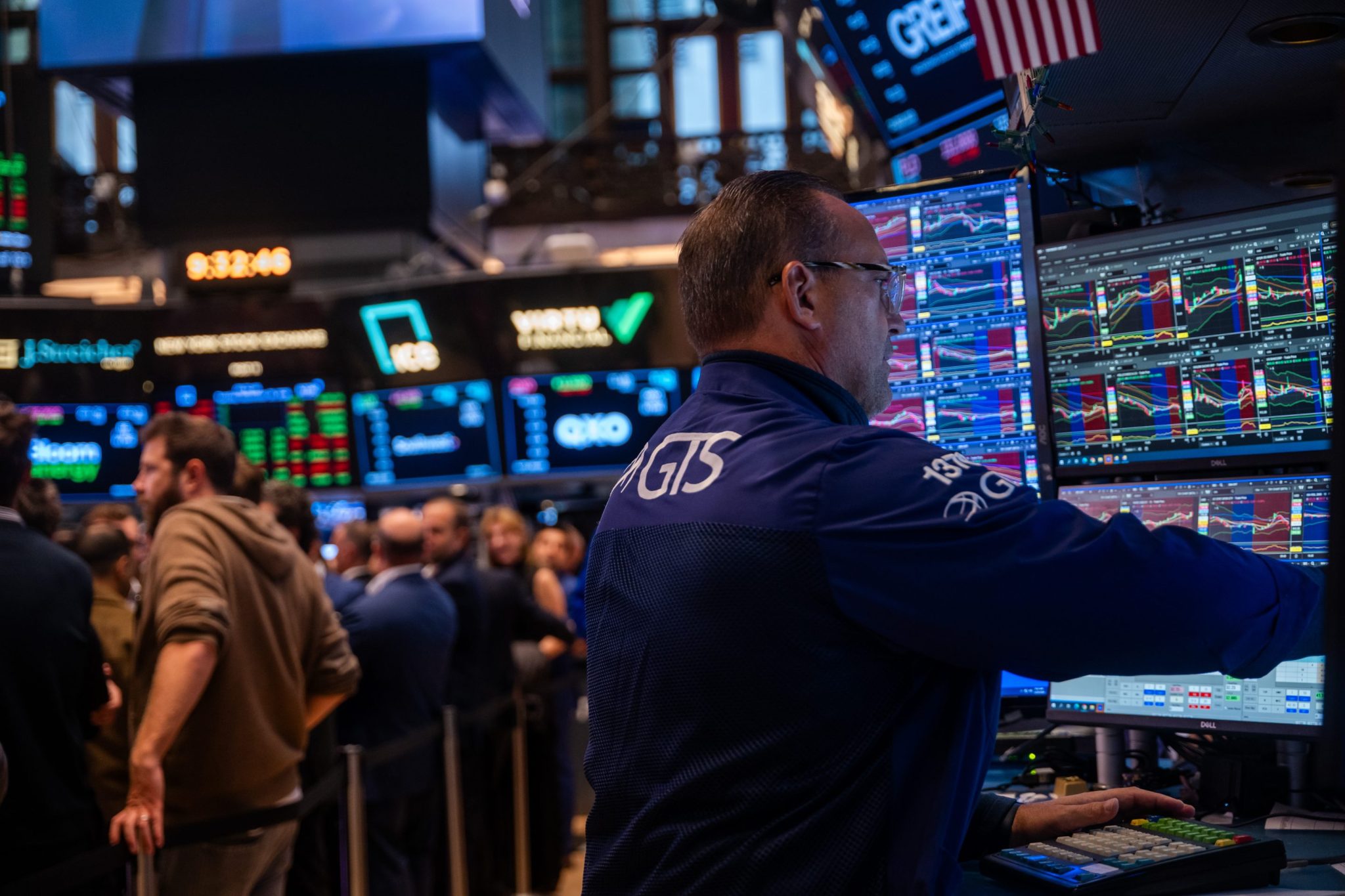
Markets themselves were mixed today, with oil at $108 per barrel and U.S. futures pointing higher after Friday's tech-led selloff. As IG's Chris Beauchamp put it, last week looks more like a healthy rotation than the beginning of something more dramatic.
Pick your industry and the AI tools you use, and get news related to your work every day.
Free · 30 seconds with Google · unsubscribe anytimeWhat is AIToday? →
Ask AI anything about this article. The AI reads this article, earlier AIToday articles, and Wikipedia, and cites its sources. Q&As are published on this page for other readers too.
Motive launched Agents, autonomous AI that resolves compliance, maintenance and safety issues without human in…

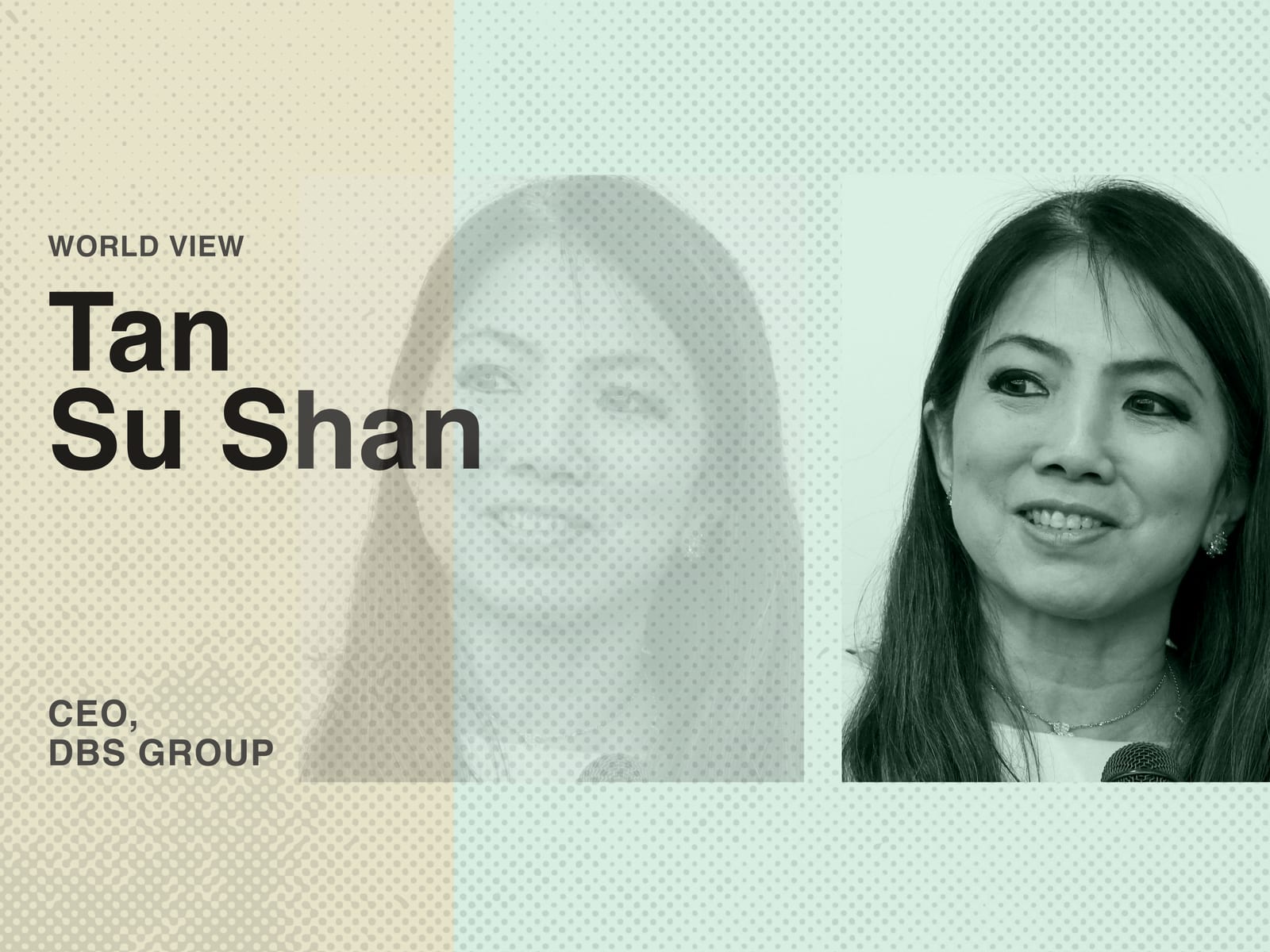
DBS CEO Tan Su Shan said shortages in memory, chips and power will soon extend to capital, and that AI users w…
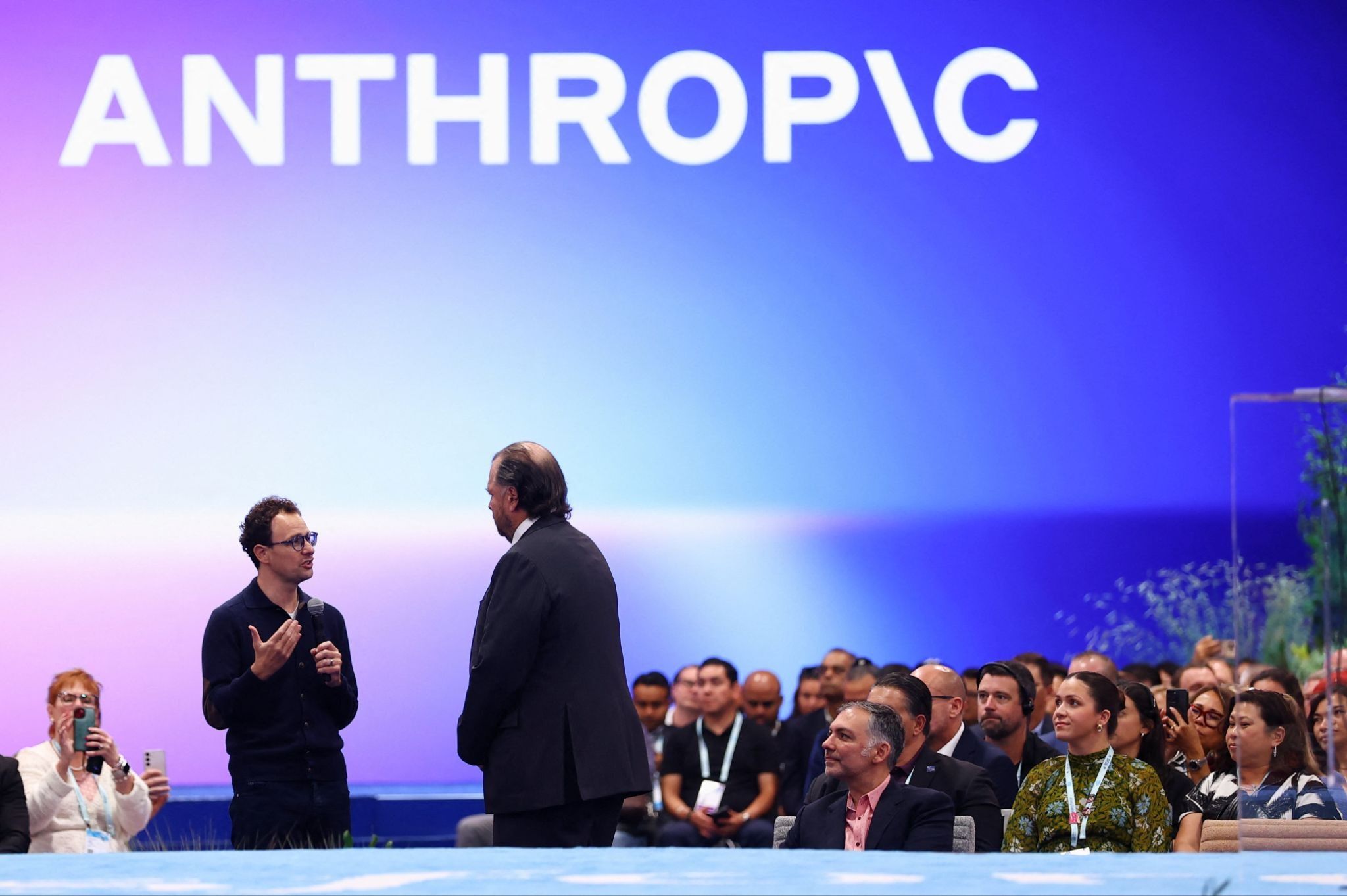
Anthropic said it would commit 5% of its shares — potentially more if it hits unspecified revenue targets — to…
Two data center and neocloud executives told The Information that only seven to ten of the hundreds of AI clou…
Anthropic plans a fund holding 5% of its shares, with possible direct payments to workers displaced by AI; CEO…

At the Fortune Most Powerful Women conference last week, leaders from PepsiCo, Indeed, Dropbox and Bristol Mye…