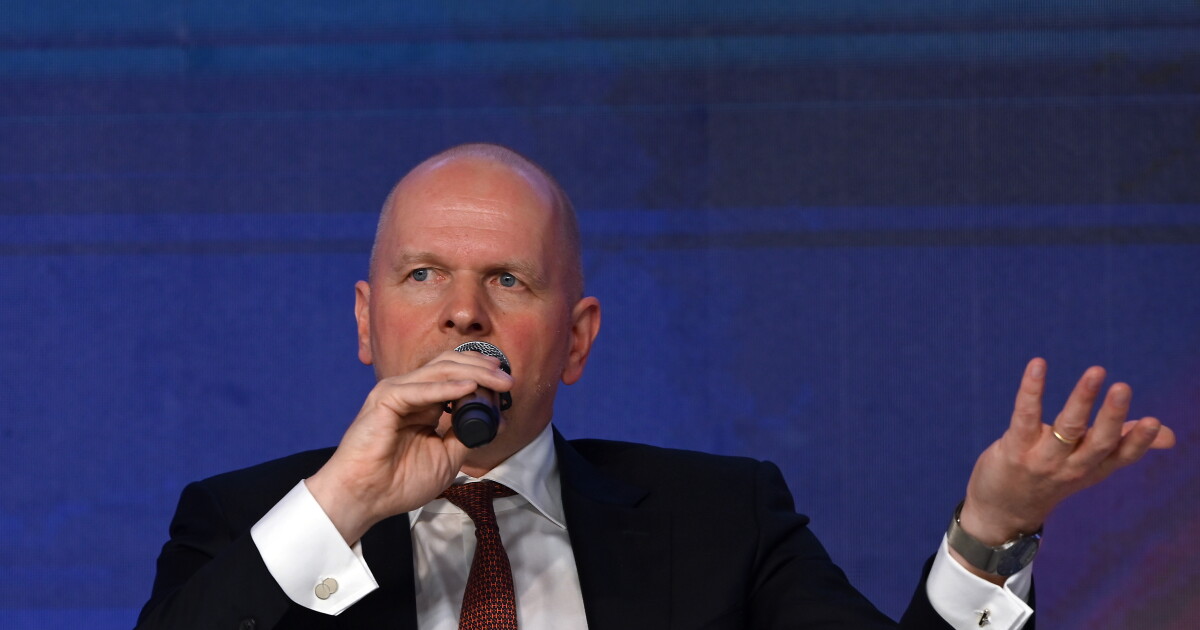
Mastercard is preparing for a future where artificial intelligence agents conduct payments and shopping with minimal human involvement—what the industry calls agentic commerce.
Rather than being displaced by this shift, CEO Michael Miebach argues that Mastercard's scale, data access, and risk-management capabilities will keep cards central to these transactions.
The company is already recruiting major fintech and crypto companies (Coinbase, Adyen, Cloudflare) to its new Agent Pay for Machines product and has recently obtained regulatory licensing and acquired a stablecoin firm to expand its digital-asset strategy.
What happened
Mastercard CEO Michael Miebach said during the company's earnings call that cards will remain central to agentic commerce (AI-driven shopping and payments with minimal human oversight). The card network is recruiting clients to Agent Pay for Machines, a machine-to-machine AI payment product that launched with more than 30 users including Adyen, Checkout.com, Coinbase and Cloudflare.
Why it matters
Major tech companies and banks are building alternatives like pay-by-bank to support agentic commerce, creating new payment use cases that could bypass traditional card networks. Mastercard is positioning itself as essential infrastructure by offering tokenization, risk management, and stablecoin support—treating the shift as an opportunity rather than a threat to its business.
What to watch
Mastercard raised its full-year revenue outlook to project growth in the 'low teens' (up from 'low double-digit to low-teen' range). The company recently obtained a BitLicense from New York's Department of Financial Services and acquired stablecoin-technology firm BVNK for $1.8 billion(約2900億円), signaling accelerated investment in digital-asset services.
Mastercard's earnings call marked a strategic inflection point: as large technology companies and banks develop alternatives to traditional card networks—particularly pay-by-bank products that bypass card infrastructure—Mastercard is reframing agentic commerce (AI-driven transactions with minimal human oversight) not as a threat but as a new market opportunity. CEO Michael Miebach emphasized that Mastercard's existing strengths—scale, data access, tokenization capabilities, and risk management—position the card network to remain central rather than be disintermediated. This positioning is credible given the company's recent moves: the launch of Agent Pay for Machines with 30+ clients, the acquisition of stablecoin-technology firm BVNK for $1.8 billion(約2900億円), and the newly obtained BitLicense from New York. The market had previously feared that stablecoins and agentic commerce would bypass traditional payment networks entirely; BofA Global Research noted that recent developments suggest card networks like Mastercard are instead becoming "key beneficiaries." Mastercard's confidence is backed by solid financial performance—net revenue up 12% and net income up 19% in the quarter ending June 30—and an upgraded full-year outlook projecting revenue growth in the "low teens."
AI-summarized, only the topics you pick — one digest a day via Email, Slack, or Discord.
Free · takes 30 seconds · unsubscribe anytime
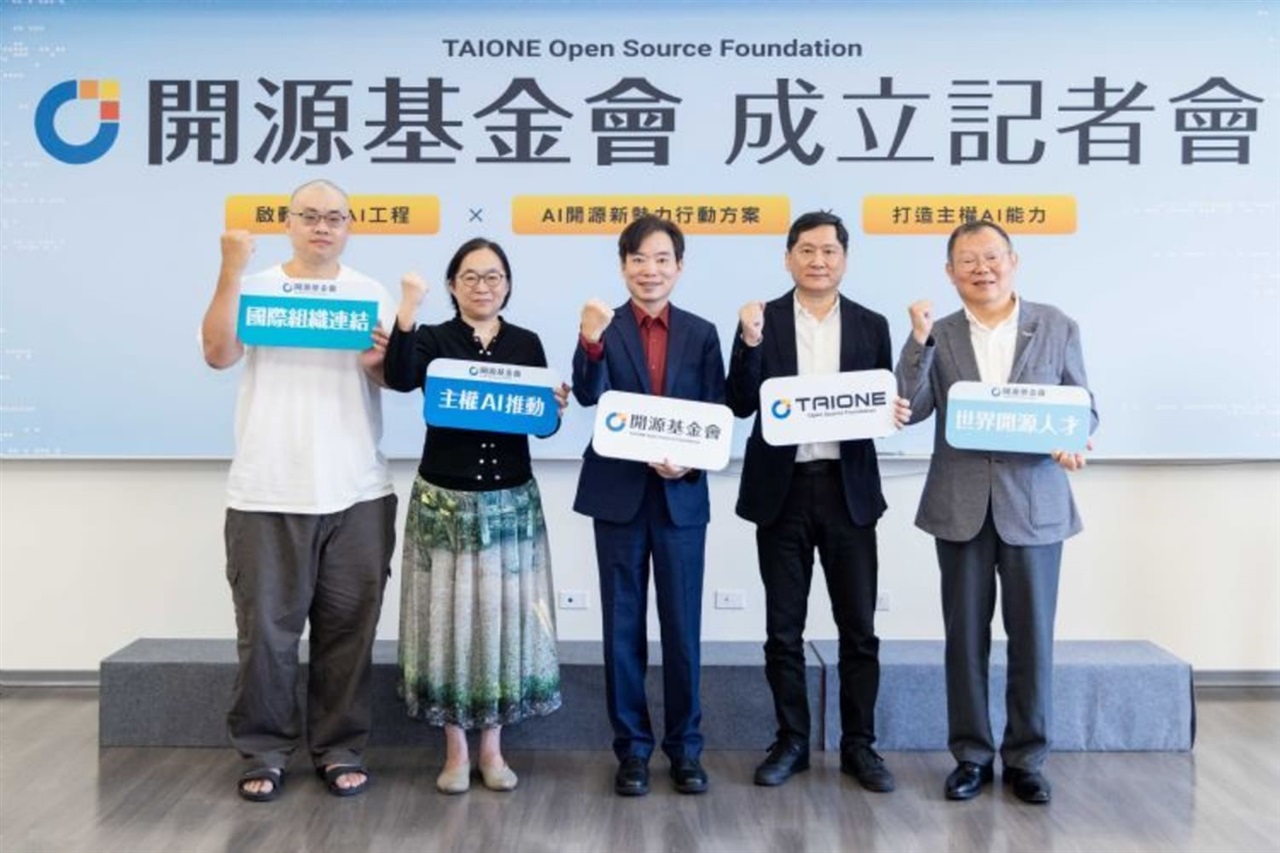
The TAIONE Open Source Foundation was officially launched and will deploy NT$300 million(約480億円) in private-se…
China Steel Corporation affiliate CSCC has developed 6N high-purity isotropic graphite blocks for 8-inch and 1…

The 2026 World Artificial Intelligence Conference (WAIC) revealed that the automotive industry is moving away…

Central Taiwan Science Park's Erlin Park will begin operations of its first standard factory building in the s…

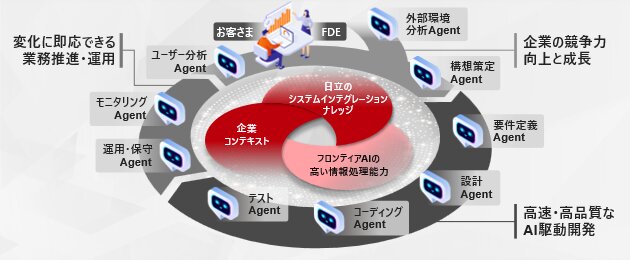
Hitachi announced the Agentic AI Integration Platform, which applies AI agents across the entire systems integ…
Amazon reported second-quarter net sales up 20%, with AWS cloud revenue rising 37% year over year to $42 billi…

The AI news that matters, in one minute each morning.
Sign up free