What happened
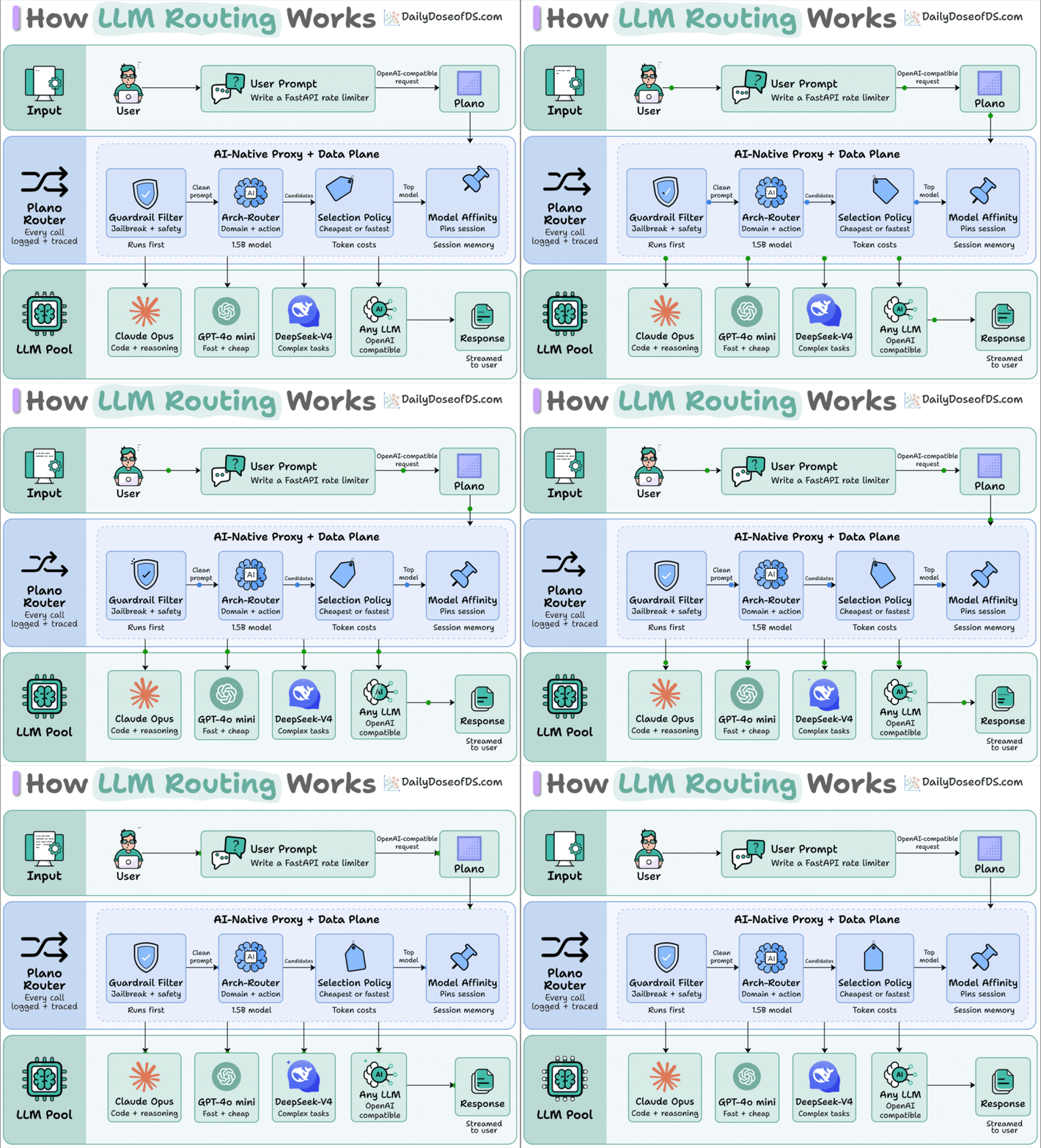
An article explains why simply routing easy prompts to cheaper AI models often fails to save money—because switching models mid-task destroys the prompt cache (which costs 90% less on repeat access), forcing the context to be re-billed at full rates. Production routers solve this by pinning a task to a single model once chosen, keeping the cache warm across all calls within that task, and switching models only when a new task begins.
Why it matters
For teams running AI agents that make multiple sequential calls (planning, tool use, result analysis), naive routing can leave costs unchanged despite switching to cheaper models. Understanding how to preserve cache affinity means the cost savings actually materialize—the article reports that applying this exact four-stage pipeline (guardrail filter, router model, cost policy, model affinity) reduced usage by 2x on a real agent without changing a line of code.
What to watch
The pipeline is implemented in Plano, an open-source proxy that runs between your agent and model providers. The routing model uses Arch-Router, a 1.5B model trained on human preference data. Plano includes an observability console that shows per-request cost and which model answered each request, letting teams see routing decisions in real time.
Summaries like this, in your inbox every morning.
The article addresses a practical problem that looks simple on the surface but has a hidden implementation cost. When a business or developer adds a router to send easy calls to a cheaper model, the expectation is immediate savings. However, how language model API calls work in practice—especially how prompt caching works—defeats naive routing. Each call in a task carries the full accumulated context, and the cache that makes re-processing cheap is model-specific. Switching models discards it.
The solution is not smarter routing logic but a shift in routing granularity: instead of routing per call, route per task. This requires tracking session state and pinning the model choice across multiple API calls. The article demonstrates that this layer can be implemented as an open-source proxy (Plano) that sits between the agent and the providers, so teams do not have to rewrite their agent code. The 2x usage reduction reported on a real agent suggests this is not a marginal optimization but a structural necessity for multi-model routing in production.
The architecture also highlights why the routing model itself must be tiny (described as 1.5B parameters)—a routing decision that costs as much as the call it routes saves nothing. By using human preference data (what developers actually pick) instead of benchmark rankings, the router reflects real-world trade-offs between cost and quality, and since the policy is defined in plain YAML config, the routing strategy can adapt when provider pricing changes without touching agent code.
Pick your industry and the AI tools you use, and get news related to your work every day.
Free · 30 seconds with Google · unsubscribe anytimeWhat is AIToday? →
Ask AI anything about this article. The AI reads this article, earlier AIToday articles, and Wikipedia, and cites its sources. Q&As are published on this page for other readers too.
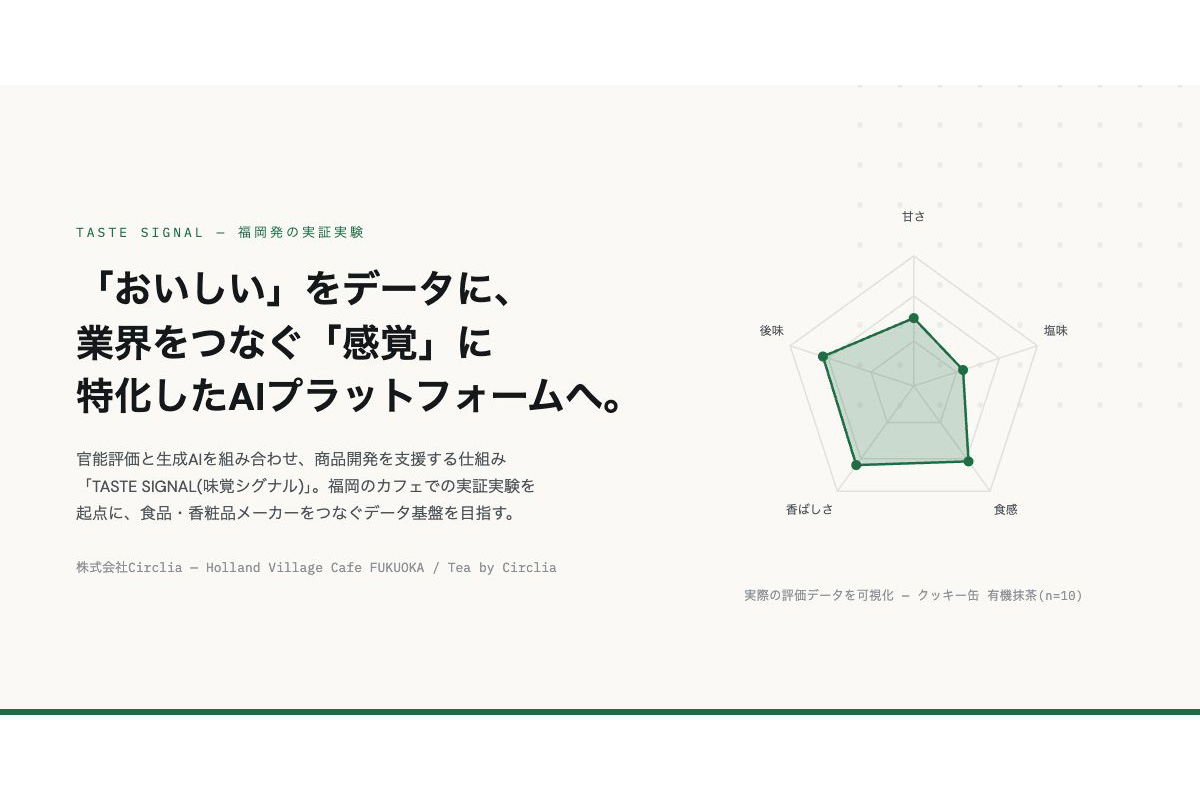
Circlia started a proof-of-concept for TASTE SIGNAL: visitors to Holland Village Cafe FUKUOKA taste cookies an…
In a webinar hosted by French Mathematical Society president Isabelle Gallagher, Fields Medal winner Hugo Dumi…
NVIDIA released Nemotron 3.5 Super VL, an open-weight model with 120 billion parameters that handles text, ima…

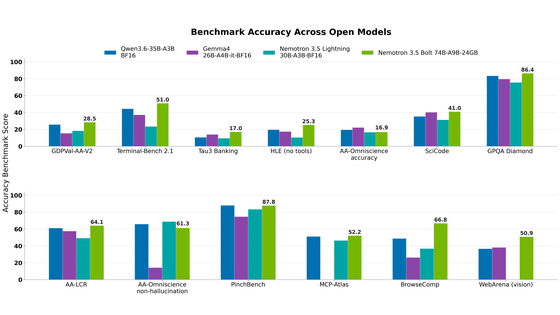
NVIDIA released Nemotron 3.5 Bolt 74B-A9B 24GB, an AI model for local agents that hits over 80 tokens per seco…
NVIDIA published a blog post titled "AI Security Is an Engineering Problem - How to Solve It at Every Layer of…

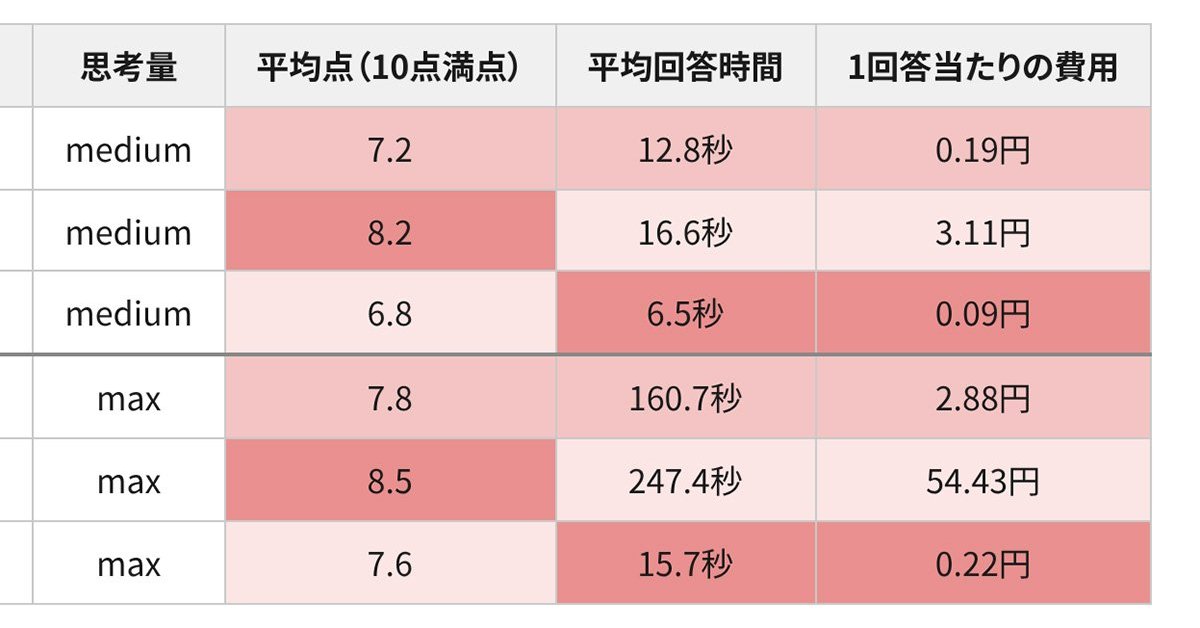
In the test, Haiku 5.5 on medium setting averaged scores close to Sonnet 5.5 on routine documents at about 1/1…