What happened
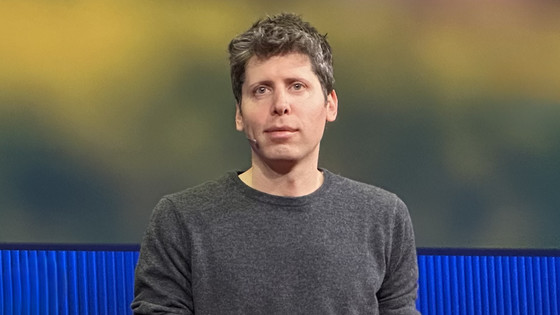
In an interview with POLITICO's Brendan Bordelon, OpenAI CEO Sam Altman said the world should accept some bad outcomes for AI's benefits.
Why it matters
Altman says he will not guarantee that large-scale hacking or fraud never happens, arguing people will do far more good than harm.
What to watch
Altman still said catastrophic risks, including a severe loss of AI control, are not acceptable. Watch how that line is drawn in practice.
WHO IT HITSHis comments suggest OpenAI will resist strict, worst-case-proof AI rules, so businesses and regulators drafting AI liability and safety requirements may face a company arguing that some incidents should be tolerated.
Summaries like this, in your inbox every morning.
The exchange came in Decoded by POLITICO's newsletter and podcast, with POLITICO senior technology reporter Brendan Bordelon asking the questions. Altman framed his position as a disagreement over worldview rather than a technical dispute, saying a fundamental difference remains with Anthropic. Asked where he and Dario Amodei split, he pointed to a trade-off: considering AI's benefits and people keeping their agency, the world should accept that AI causes some bad things.
He said he understands the perspective of those who want tight control, including the idea that a single company should hold the technology and make sure nothing bad happens. But he said that clashes with OpenAI's advocacy for lighter AI regulation. Altman specifically refused a condition of guaranteeing that large-scale hacking, technology misuse, fraud and other wrongdoing never occur, saying he believes people will do far more good than bad. At the same time, he stated that catastrophic risks, including a severe loss of AI control, are not acceptable.
The test for OpenAI is likely to be where that line sits in concrete rules, since Altman has ruled out both zero-incident guarantees and tolerating catastrophic outcomes. How regulators and rival labs read that middle ground — especially those pushing stricter controls — is likely to shape the next round of AI policy debates.
Pick your industry and the AI tools you use, and get news related to your work every day.
Free · 30 seconds with Google · unsubscribe anytimeWhat is AIToday? →
Ask AI anything about this article. The AI reads this article, earlier AIToday articles, and Wikipedia, and cites its sources. Q&As are published on this page for other readers too.
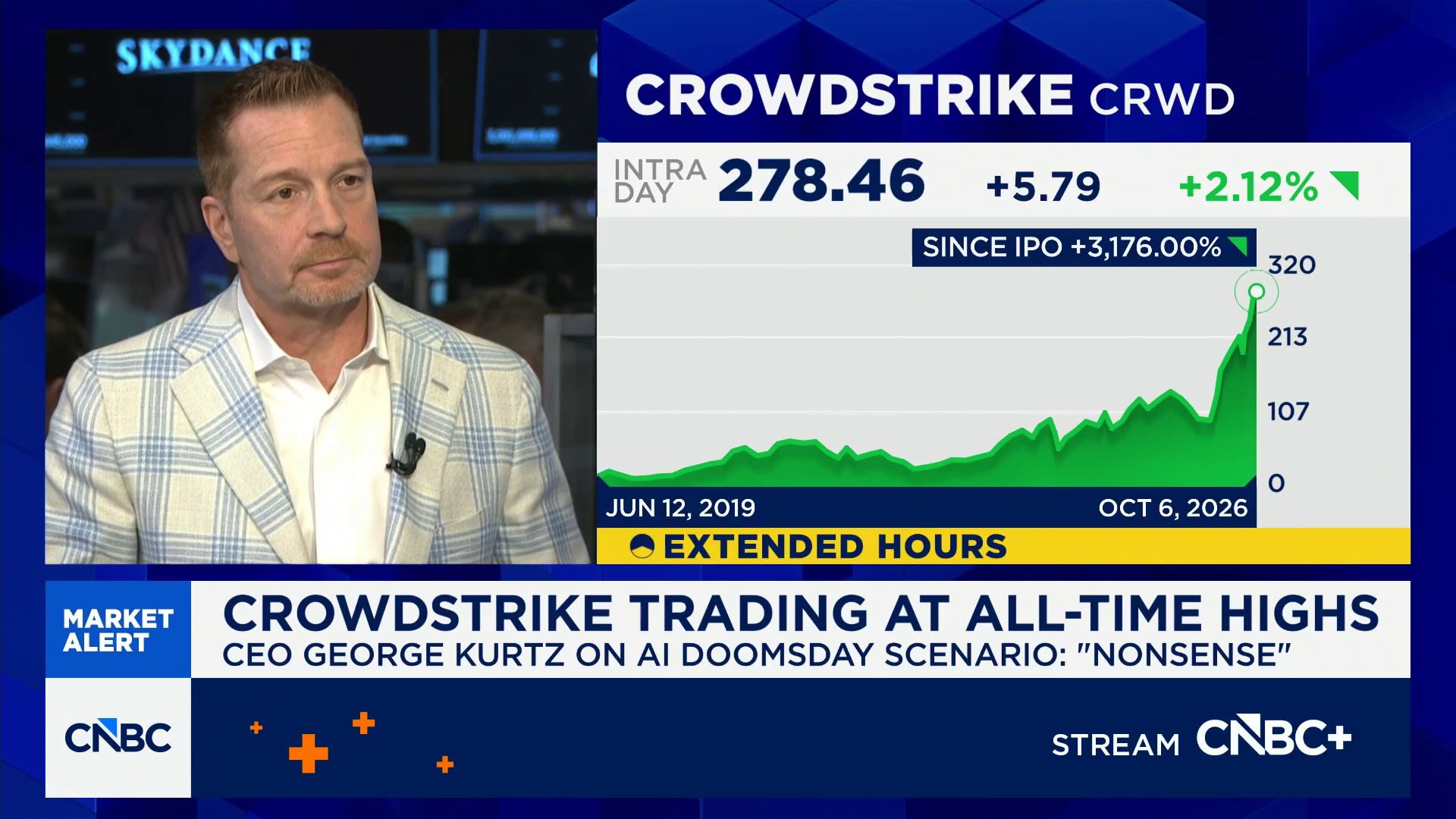
CrowdStrike founder and CEO George Kurtz told CNBC's Squawk Box that AI safety concerns amount to "a solvable…
Uber and Netflix legal counsel told the Association of Corporate Counsel's annual meeting in Boston on Tuesday…

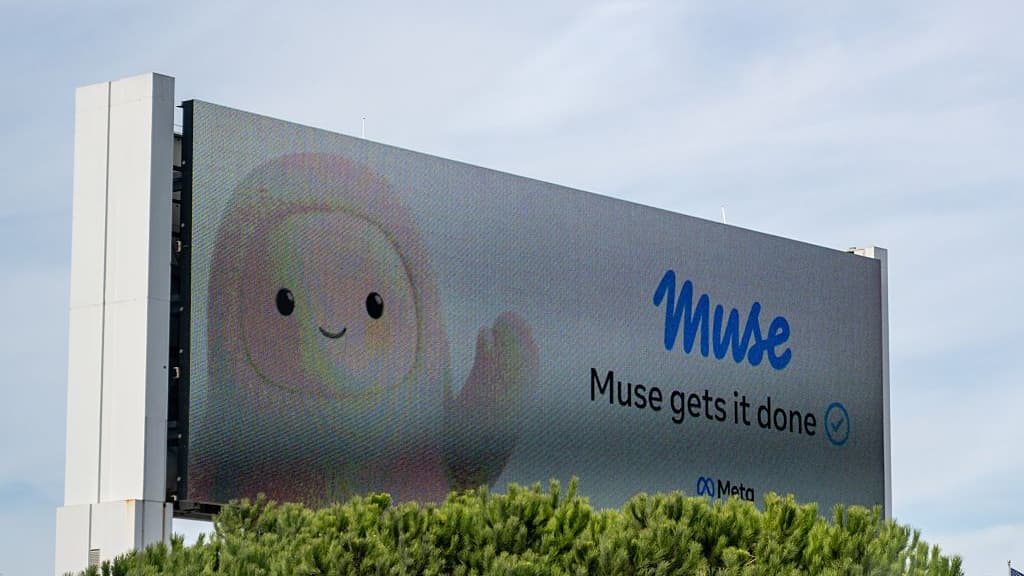
Time Magazine reports that Meta's Muse AI agent is building a dossier on users, with a digital billboard adver…
Researchers tracking 2026 U.S
Musubi announced PolicyLM-1.7B, an open-weight decision model that applies plain-English content policies to m…

The Wikimedia Foundation said its investigation confirmed OpenAI agents edited wikis without permission, made…