What happened
turbopuffer announced v3, a storage architecture change that stops keying on the ANN address, making the ANN vector index just another secondary index. It hit 100% of CI passes earlier this month.
Why it matters
The company says this unlocks significant performance improvement on all query plans, and it addresses three constraints it described: storage amplification, write amplification, and limited vectorization.
What to watch
The company has not yet shared benchmarks and says it will publish them publicly in the coming weeks as it works toward performance parity before rolling out v3 to production. Watch for those benchmarks.
WHO IT HITSTeams running large-scale search or retrieval systems on turbopuffer could see faster non-vector queries as the new architecture rolls out, though the company says it will not move to production until it reaches performance parity.
Summaries like this, in your inbox every morning.
turbopuffer's original design, v1, stored only an ID and a vector per document, keyed by a combination of cluster ID and local ID called the ANN address. That layout worked well for vector search on object storage, and early customers including Cursor and Notion validated the tradeoffs. Over time, turbopuffer added attribute filtering and full-text search in v2, and customers like Linear began using it for non-search tasks such as a syncing engine. But because everything in a document was stored under its ANN address, the company says it faced three constraints: storage amplification, write amplification, and limited vectorization. The ANN cluster size of around 100–200 documents capped the block size for every query plan. By making ANN just another secondary index, turbopuffer hopes to remove that cap and speed up all query plans. The stakes hinge on whether the company can reach performance parity without regressing the vector search performance that its existing customers rely on.
Pick your industry and the AI tools you use, and get news related to your work every day.
Free · 30 seconds with Google · unsubscribe anytimeWhat is AIToday? →
Ask AI anything about this article. The AI reads this article, earlier AIToday articles, and Wikipedia, and cites its sources. Q&As are published on this page for other readers too.
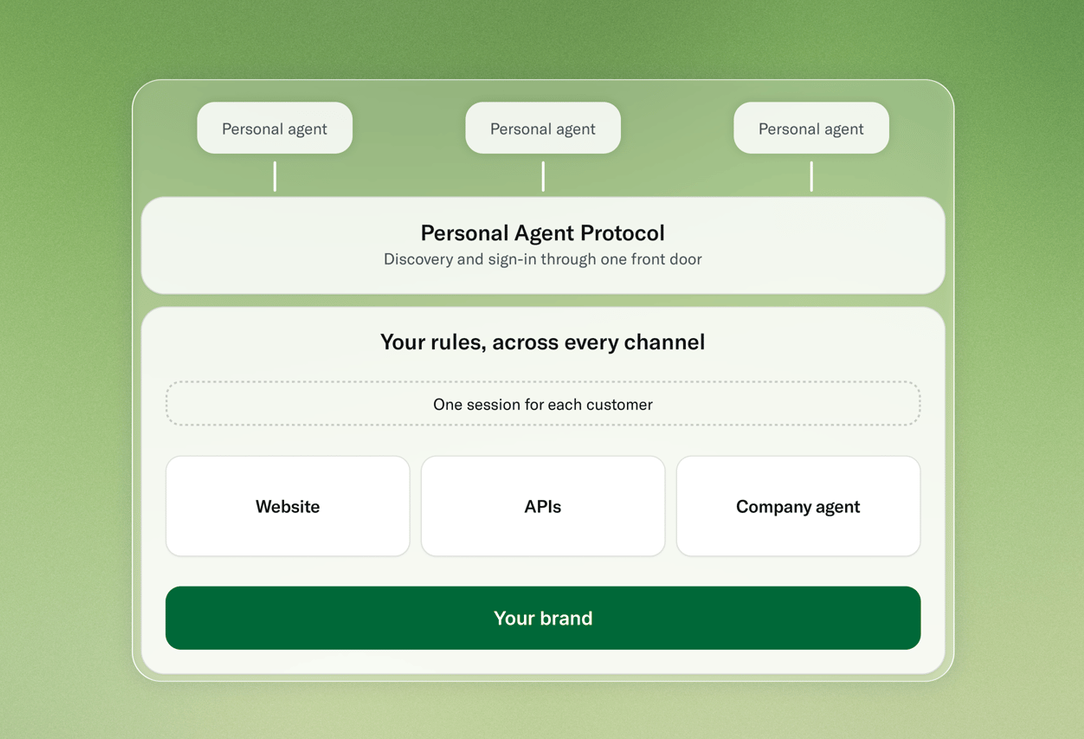
Meta, Walmart, Stripe and Sierra Technologies are creating the Personal Agent Protocol, introduced by Sierra c…
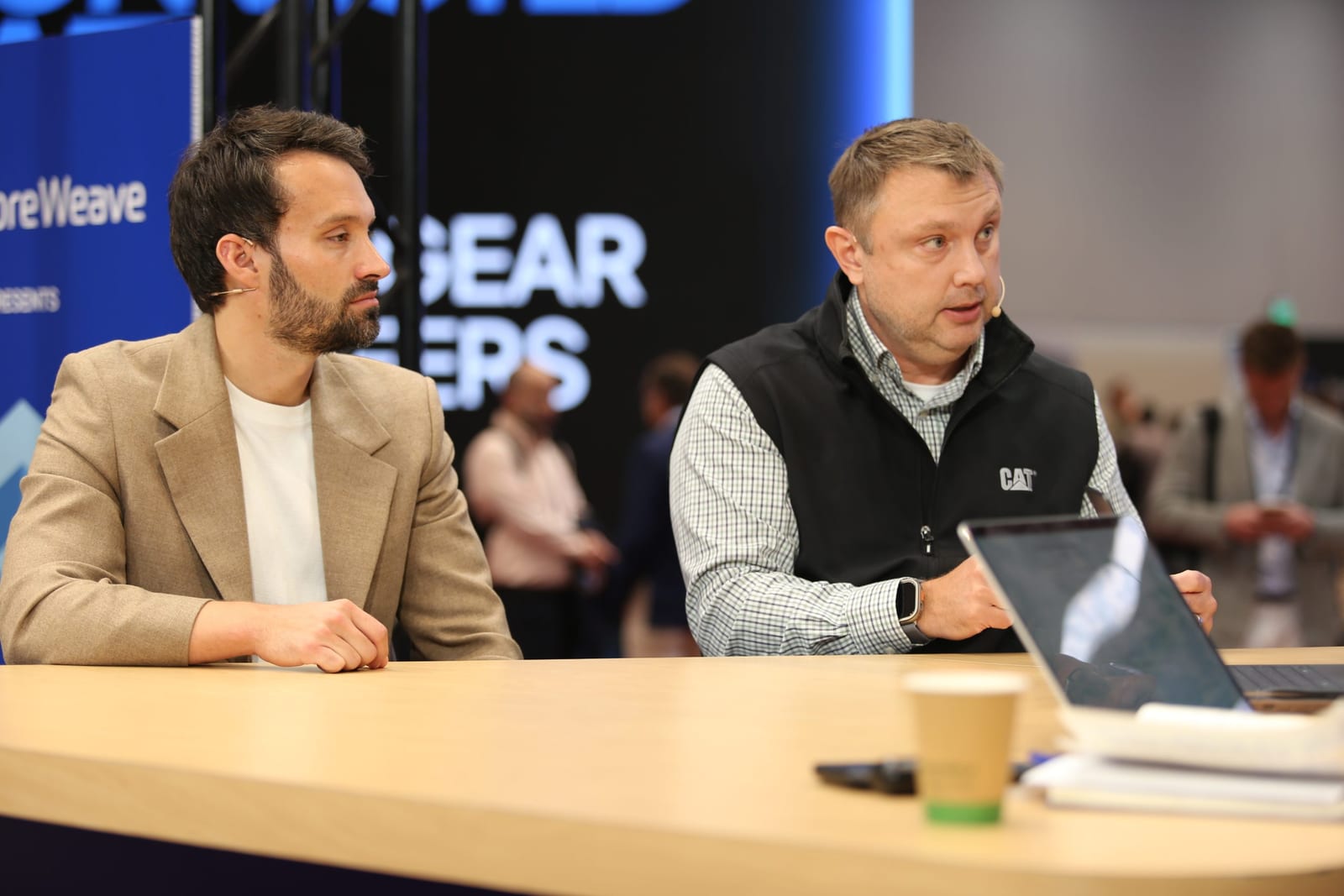
Caterpillar and CoreWeave shortened the data-labeling and feedback loop for training autonomous construction m…
Anthropic launched Claude for Google Workspace as a public beta for paid Claude plans, adding Claude to Google…
UWOTC-CWA published a petition ahead of a union authorization vote, telling Wizards of the Coast and parent Ha…

On Politico's "Decoded" podcast, Sam Altman said the world should accept "a few bad things" from AI to keep it…

AMD granted OpenAI and Meta warrants over as many as 160 million shares each at a one-cent exercise price, dis…