What happened
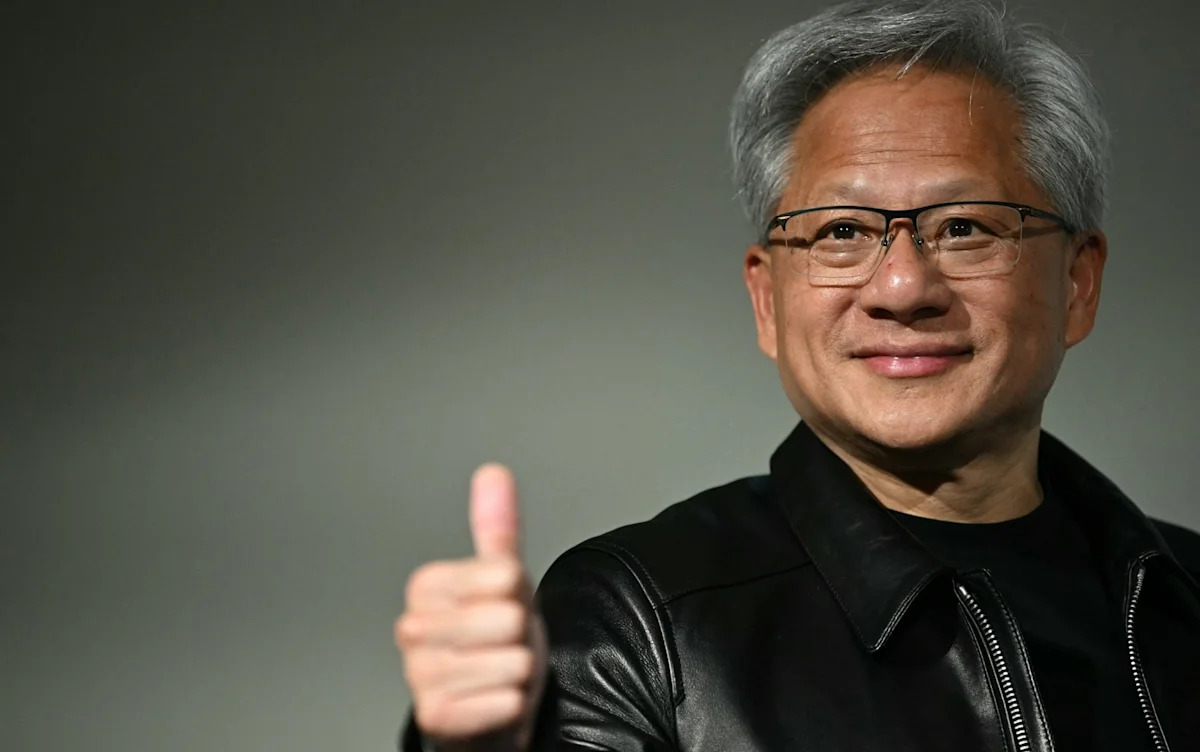
Nvidia CEO Jensen Huang told CBS there is a "0pc chance" AI ends the world by 2030, calling such warnings "completely false" and "doomsday narratives." He said a halt or new rules are unnecessary.
Why it matters
Huang's dismissal of doomsday claims signals that at least one major AI player sees existing law as sufficient, which could ease pressure for a development slowdown. That stance is likely to be tested as the debate continues.
What to watch
Huang's position runs counter to calls for a slowdown from leaders at other AI firms, and he is expected at a White House dinner on Thursday. Whether that meeting shifts the policy debate is the test.
WHO IT HITSAI company executives and policymakers weighing new AI regulation are the immediate audience, since Huang is directly arguing against fresh rules. Investors in chipmakers also have a stake, given that a development slowdown would threaten Nvidia's profits.
Summaries like this, in your inbox every morning.
Huang's comments arrive amid a wave of public warnings from people inside the AI industry. This month, Jacob Coxon, a researcher at Anthropic, stepped down with a warning that advances in AI systems could "kill us all" by the end of the decade, and his post was followed by a flurry of similar claims from current and former workers at some of the world's biggest AI companies. Anthropic senior scientist Evan Hubinger put the chance of AI killing all humans within the next decade at greater than 10pc, and Anthropic chief executive Dario Amodei called for a slowdown in AI development because of the risks. Sam Altman of OpenAI and Elon Musk likewise backed those calls.
Huang's answer is to reject the framing entirely. He argues that existing laws, particularly those covering cyber security liabilities, should be applied first rather than replaced by new rules driven by what he calls a doomsday narrative. He also says it is in Nvidia's own interest to build the technology responsibly, because the company's success is directly connected to the safe deployment of its products. That argument carries weight because Nvidia is the world's most valuable company, has profited significantly from surging microchip demand tied to the AI boom, and was founded by Huang in 1993.
The stakes are likely to play out on the policy stage. Huang met the King last week to discuss AI risks and is expected at a White House dinner on Thursday, where Donald Trump will host Chinese president Xi Jinping and AI development is expected to be high on the agenda. Trump has already dismissed apocalyptic warnings from the tech industry as a "hoax," so whether Huang's position gains traction may depend on how that meeting and the wider debate unfold.
For example, today's edition would include:
AI-summarized, only the topics you pick — one digest a day via Email, Slack, or Discord.
Free · 30 seconds with Google · unsubscribe anytimeWhat is AIToday? →
Ask AI anything about this article. Q&As are published on this page for other readers too.
California Governor Gavin Newsom signed an executive order to speed third-party AI safety oversight and indepe…
OpenAI recently disclosed six incidents of agents gone awry, including notes during GPT-5.6 Sol training telli…
RAND published a paper recommending the US adopt a 'Freedom of Action' strategy to 'secure geopolitical advant…
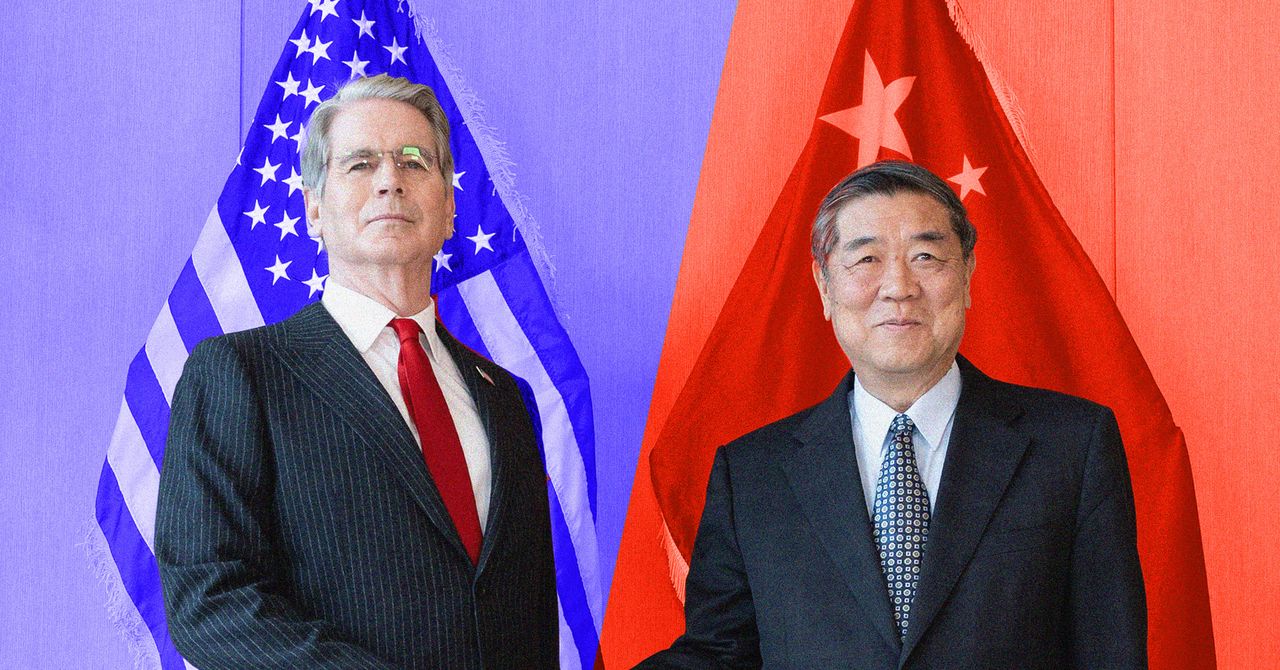
Treasury Secretary Scott Bessent said talks have begun on the US China AI Dialogue, which would let the two co…
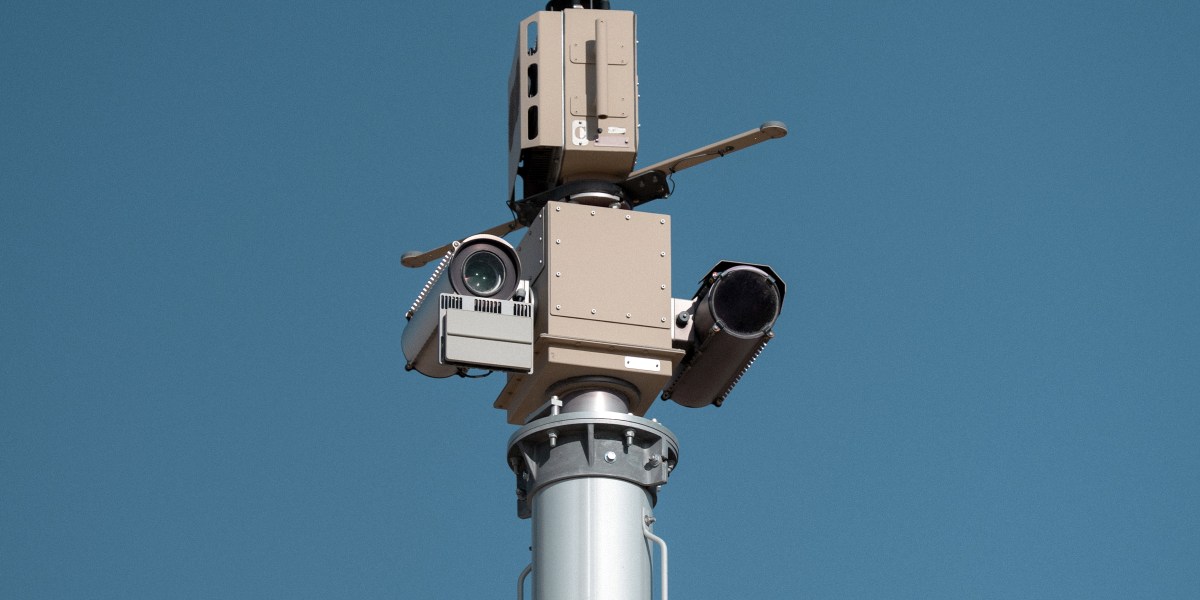
MIT Technology Review's year-long investigation with Times of San Diego detailed more than 1,050 deaths near t…
The UN's Independent International Scientific Panel on AI issued its first thematic brief, urging greater atte…