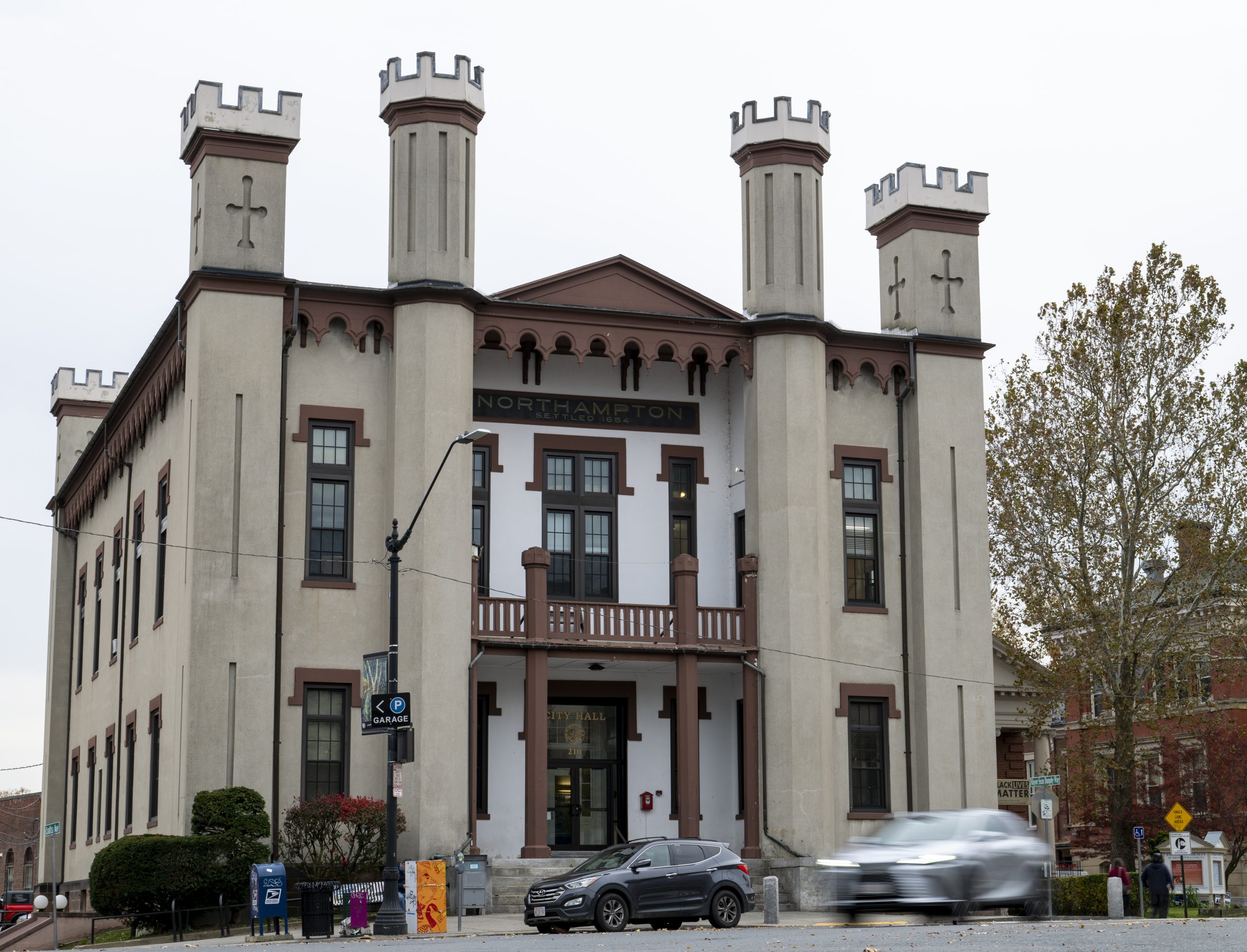
Northampton, Massachusetts is studying whether to regulate or ban AI data centers after the Coca-Cola plant closure there.
Large data centers consume up to 5 million gallons of water daily and risk pollution and property devaluation.
Nearby towns have already imposed moratoriums or bans; Northampton may do the same.
What happened
Northampton City Council is considering a committee to study AI data centers and draft municipal policy, prompted by residents' concerns that a facility could be built at the closing Coca-Cola plant site on Industrial Drive by year-end. Nearby communities including Easthampton, Greenfield, Westfield, Shutesbury, and Holyoke are taking varied approaches—some imposing temporary moratoriums, others outright bans.
Why it matters
Data centers consume large amounts of energy and water; according to the Environmental and Energy Study Institute, large facilities can consume up to 5 million gallons of water in a single day—equivalent to daily usage for a town of 10,000 to 50,000 people. Environmental experts warn of pollution risks, heat release, and property value depletion, yet developers often frame projects as beneficial community additions.
What to watch
Council Vice President Deborah Klemer and Ward 1 Councilor Gwenevra Nabad have raised the possibility of a moratorium on data centers while study is underway, to prevent a company from obtaining permits before the city completes its analysis. The council is expected to discuss the issue again at its September meeting.
Ask the AI about this article →
The closure of Northampton's Coca-Cola plant has triggered a proactive policy discussion that mirrors growing concern across Massachusetts about AI data center development. Ward 3 City Councilor Laurie Loisel framed the committee proposal as an opportunity to study impacts and understand regulatory options before any proposal arrives—a shift from reactive governance. The body of concerns is substantive: environmental experts consistently identify large water consumption, pollution risk to waterways, and heat release as core hazards, while Council Vice President Deborah Klemer noted that developers often obscure long-term impacts by emphasizing initial job creation and community benefit.
Within the council, a tension emerged between study-first and moratorium-first approaches. Some councilors, including Gwenevra Nabad and Klemer, worry that the permitting process could outpace deliberation, allowing a company to "get a foot in the door" before the city has adopted policy. Others, such as Garrick Perry, prefer expedited department-head coordination over a formal committee, viewing a committee as slower. Christopher Stratton proposed that study and moratorium can coexist, and raised a specific concern: Northampton should not become the regional data processing hub for the broader Northeast. This framing suggests that the city's deliberation will likely focus on capacity thresholds and local burden-sharing, not merely environmental or energy impact.
AI-summarized, only the topics you pick — one digest a day via Email, Slack, or Discord.
Free · takes 30 seconds · unsubscribe anytime
Ask AI anything about this article. Q&As are published on this page for other readers too.
Taiwan prosecutors indicted nine people, including employees of Nvidia and Super Micro, for allegedly exportin…

Snowflake CoCo now offers per-user AI credit quotas that are generally available, and introduced three new gov…

OpenAI Group PBC CEO Sam Altman said in an interview with podcaster David Senra that he is worried AI technolo…

A Las Vegas tourist tried to avoid OYO but says a fake AI hotel listing led her there anyway

Verizon Communications (NYSE: VZ) launched an exclusive Google Pixel 11 lineup, plus new Simplicity and Simpli…

Nucleai announced an ongoing translational research collaboration with Gilead Sciences, using AI-driven tissue…