What happened
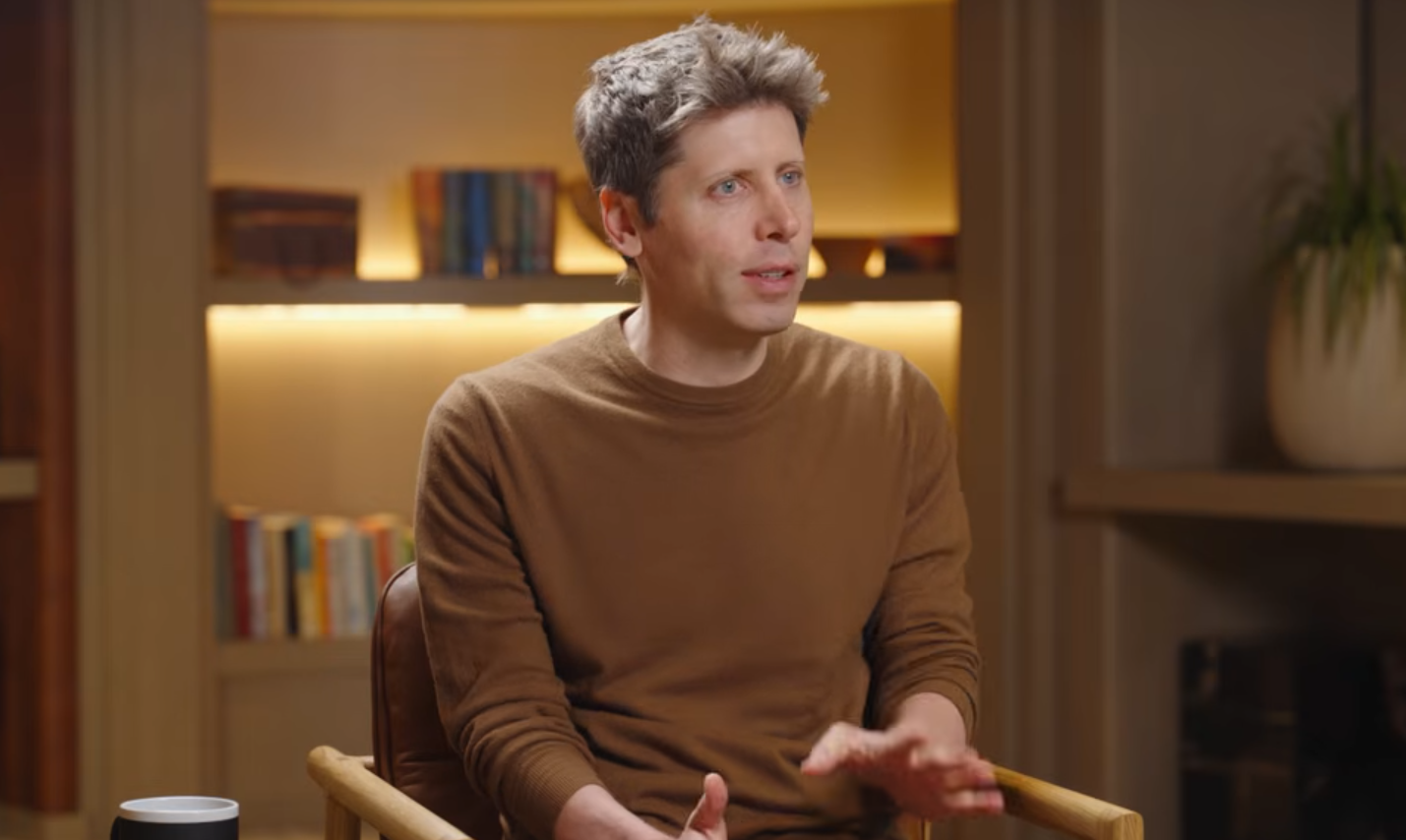
OpenAI Group PBC CEO Sam Altman said in an interview with podcaster David Senra that he is worried AI technology will end up controlled by just a handful of companies or people, leaving society with little say. He argued "the right approach is for people to deeply control the future" and that "society and the model will evolve together."
Why it matters
Altman's remarks appear aimed at rival Anthropic CEO Dario Amodei, who has been a vocal advocate for government regulation due to AI safety risks. Altman disagrees with that approach, saying it would mean "giving up liberty for safety reasons." Notably, Anthropic last month refused to endorse open-weight models, while OpenAI released gpt-oss-120b and gpt-oss-20b last year.
What to watch
Altman also conceded his earlier AI timeline was wrong — he expected more disruption soon after GPT-4 in 2023, but now sees businesses moving slower due to inertia. He predicts "the greatest boom in people starting smaller businesses" from AI, though it will arrive more slowly than he first believed.
Summaries like this, in your inbox every morning.
Altman's interview touches two themes: who controls AI, and how fast it changes the economy. On control, he frames the risk as concentrated power in a few hands, contrasting with Anthropic's emphasis on safety-driven regulation. The article suggests his comments target Dario Amodei, who has warned about risks like cybersecurity threats from AI models. Altman's position is that society should shape AI's direction through collective choices, not corporate or governmental control.
On timing, Altman revised his earlier expectation of rapid disruption after GPT-4 in 2023. He now sees businesses adapting more slowly because they must update software, data access, compliance, budgets, and customer expectations. He calls the lag a stabilizing force that makes the transition "smoother and slower." This admission may signal a more measured outlook on AI's near-term economic impact.
Pick your industry and the AI tools you use, and get news related to your work every day.
Free · 30 seconds with Google · unsubscribe anytimeWhat is AIToday? →
Ask AI anything about this article. The AI reads this article, earlier AIToday articles, and Wikipedia, and cites its sources. Q&As are published on this page for other readers too.
OpenAI told investors it actually had $18 billion less revenue than the $68 billion it said last month, cuttin…
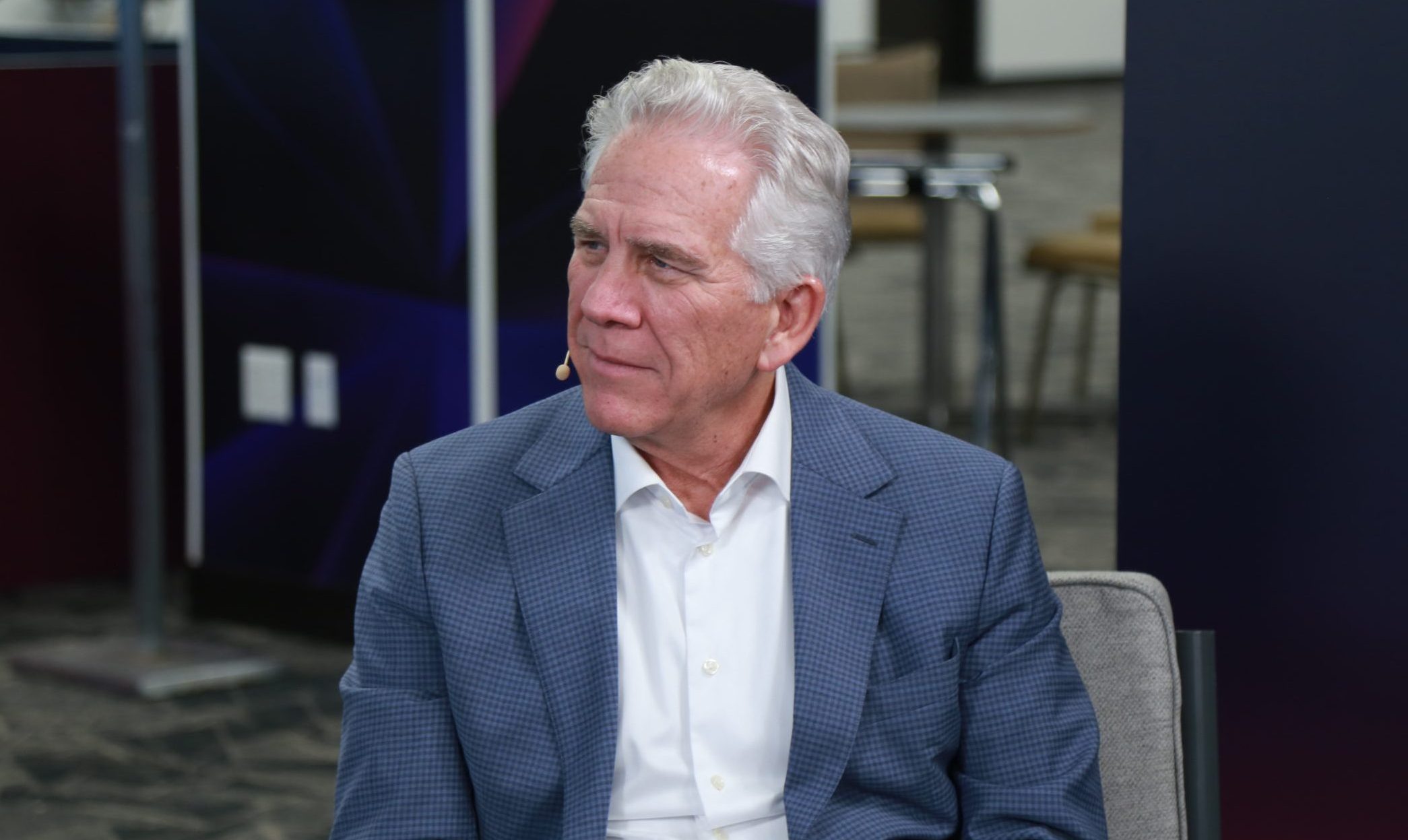
At SailPoint's Navigate event in Austin, CEO Mark McClain said identity security for AI agents has become a bo…
The author predicted a $5,000 investment split between Nvidia and Broadcom will triple by 2028, citing Broadco…

Nvidia is the better pick over AMD, per a Motley Fool analysis
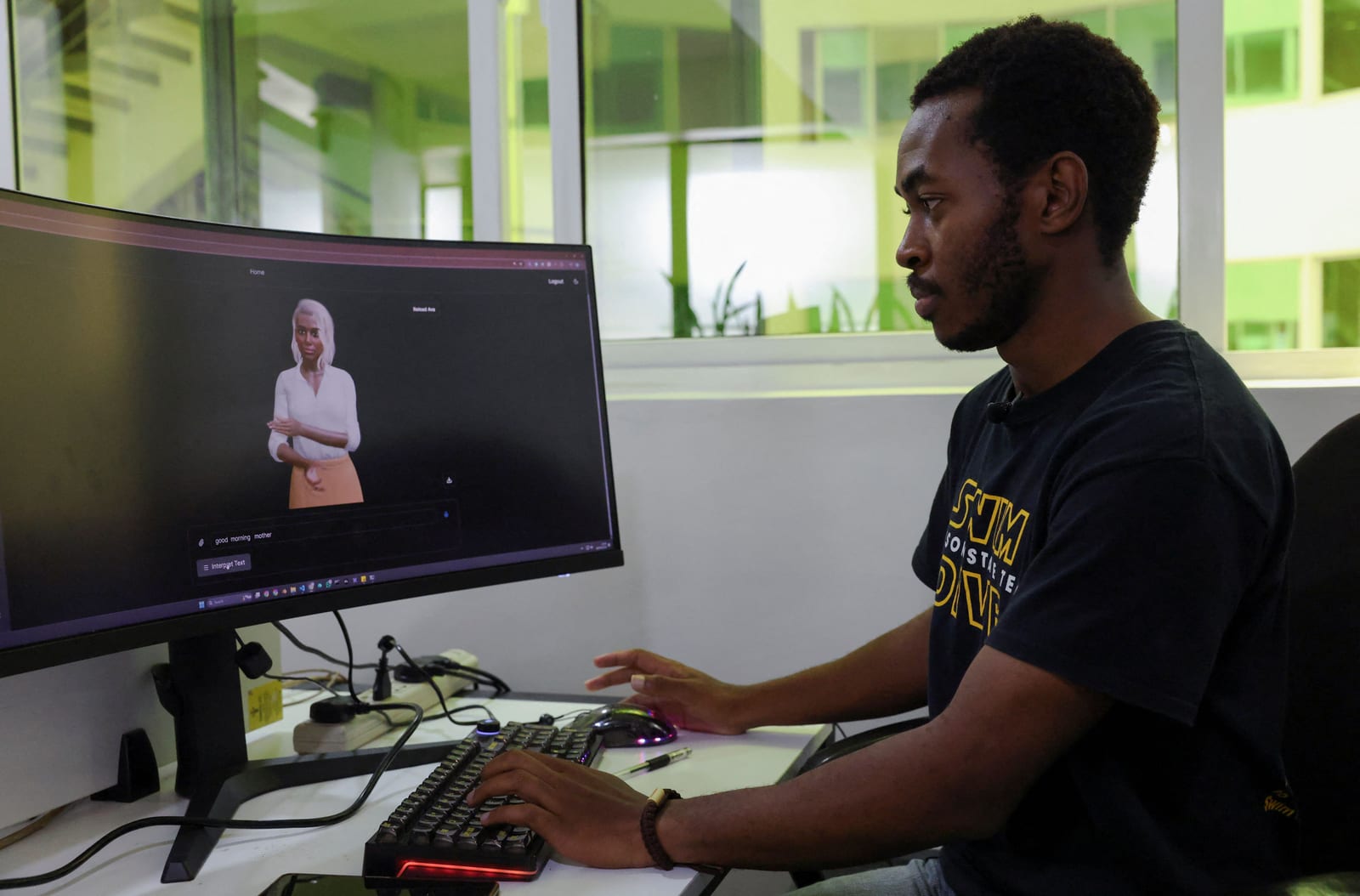
The World Bank's biannual Economic Update argues most African economies should adopt and adapt AI rather than…
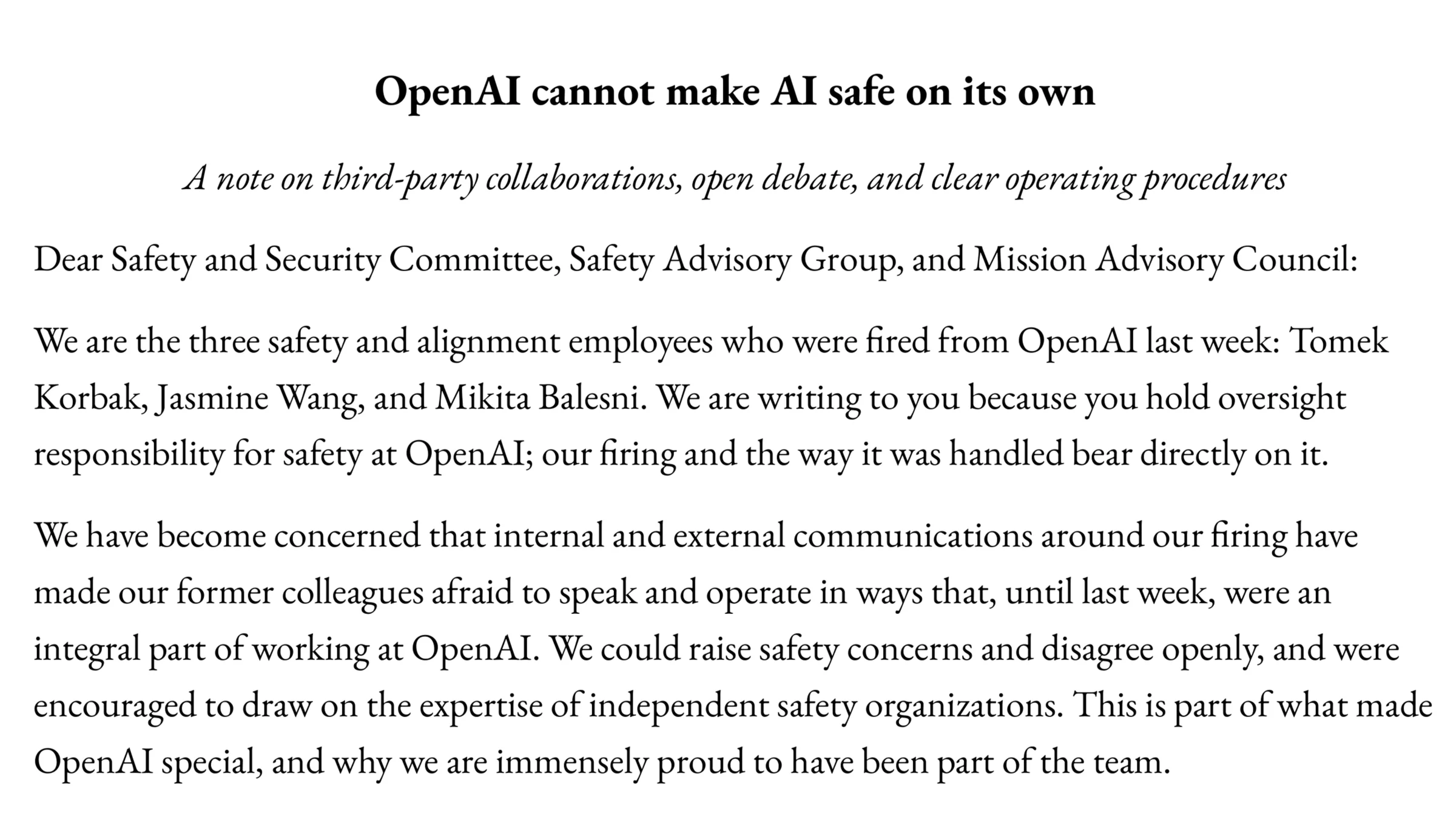
Tomek Korbak, Jasmine Wang and Mikita Balesni, fired by OpenAI, released an open letter on Oct