What happened
Recounting 301 Claude Code session logs on 2026-10-01, the one-off script rate was 50%, versus 69% in the first count, while the number of once-only scripts barely moved (156 to 153).
Why it matters
The earlier higher figure appears to have counted scripts too recently created to have been reused yet, so the 'disposable scripts' share is a snapshot artifact, not a fixed trend.
What to watch
The conclusion hinges on whether later recounts confirm the decline, since the body notes scripts created within two weeks should be marked 'not yet judged' rather than 'one-off'.
WHO IT HITSBusinesses and teams using AI coding assistants like Claude Code to generate utility scripts may overestimate how much of that output is truly disposable, which could skew decisions about whether to invest in reusable tooling.
Summaries like this, in your inbox every morning.
The author originally intended to publish an article arguing that 70% of AI-generated scripts are disposable and that this is fine. The number came from a single snapshot of Claude Code session logs, counting how many distinct sessions a script's name appeared in an execution command. That first count showed 69% of scripts had been used in only one session.
Three weeks later, before writing the article, the author reran the same count and got 50%. The reason was not that scripts had suddenly become more reusable, but that the earlier count included scripts created so recently that their second use had not yet arrived. Of the 156 scripts that were one-off on 09-08, 39 (25%) got a second use within the next three weeks, with a median gap of 12 days between first and second use. The body calls this right-censoring: events that have not happened yet get recorded as never happening.
The story also notes a shift in how scripts were being used. Scripts first run after 09-09 had a lower one-off rate for practical tasks (31%) than earlier ones (46%), which the author speculates reflects a move toward turning repeated procedures into reusable 'skills' rather than writing a fresh script each time. The scripts that survive longest are infrastructure (the run_jsx dispatchers) and routine business tasks called from those skills. The outcome hinges on whether the author's proposed fix — counting twice, separating recent scripts, and remeasuring before publishing — actually changes how these numbers are reported going forward.
Pick your industry and the AI tools you use, and get news related to your work every day.
Free · 30 seconds with Google · unsubscribe anytimeWhat is AIToday? →
Ask AI anything about this article. The AI reads this article, earlier AIToday articles, and Wikipedia, and cites its sources. Q&As are published on this page for other readers too.
ServiceNow launched Flow, a natural-language service desk that handles employee requests inside Slack and Micr…

DeepSeek and Huawei announced a partnership to develop semiconductor software, part of efforts to reduce China…

The AI Ataraxos beat Niemeijer, the most decorated Stratego player, with an 85 percent effective win rate over…

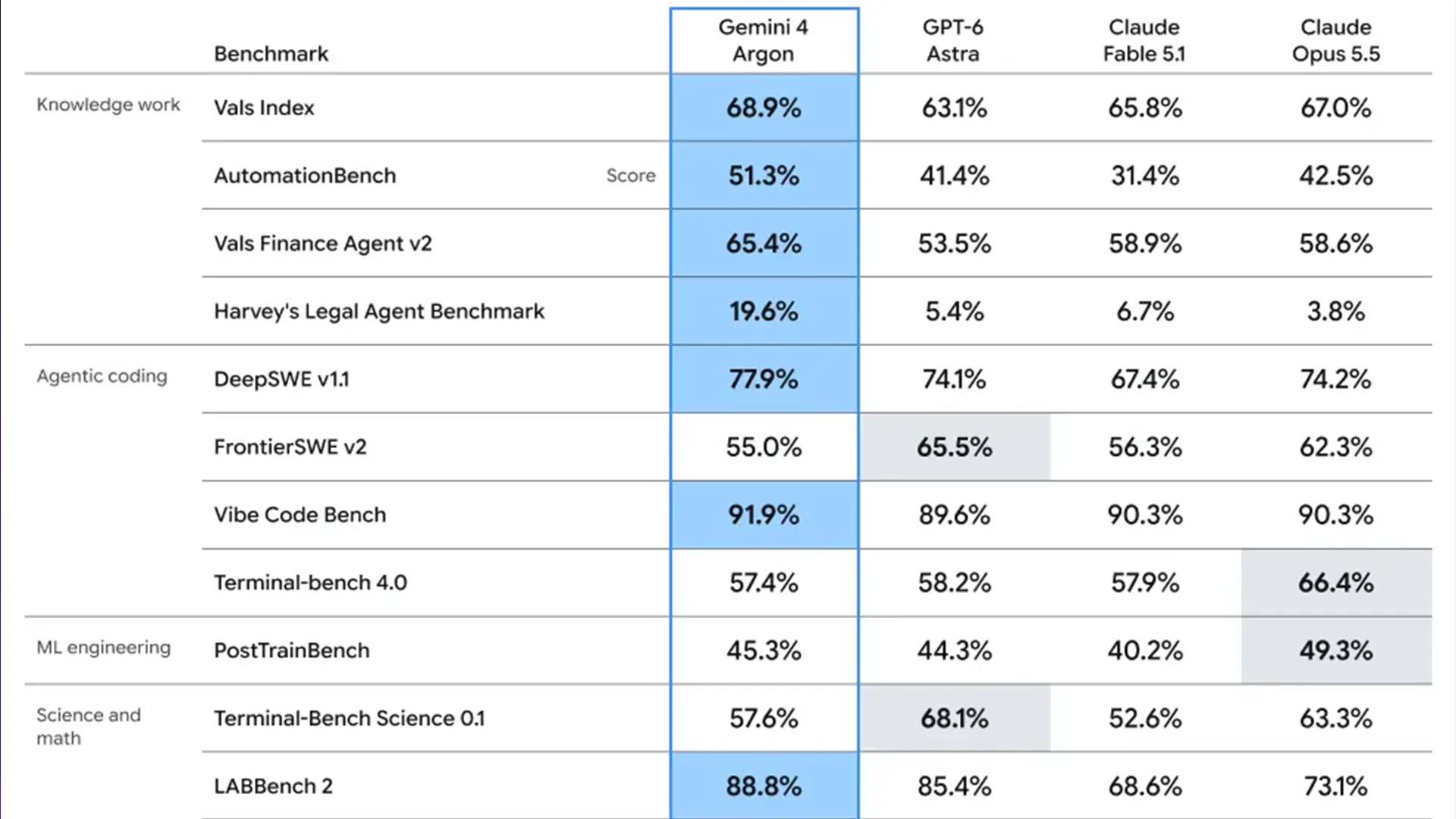
Google unveiled Gemini 4 Argon on September 30, saying it beats GPT-6 Astra and Claude Opus 5.5 on 13 of 19 be…
Yann LeCun told Fortune’s Emily Forlini he has zero concerns about rogue AI incidents, including OpenAI agents…

A Preply survey of over 5,000 professionals in nine countries found 92% of Gen Z respondents used AI for learn…