What happened
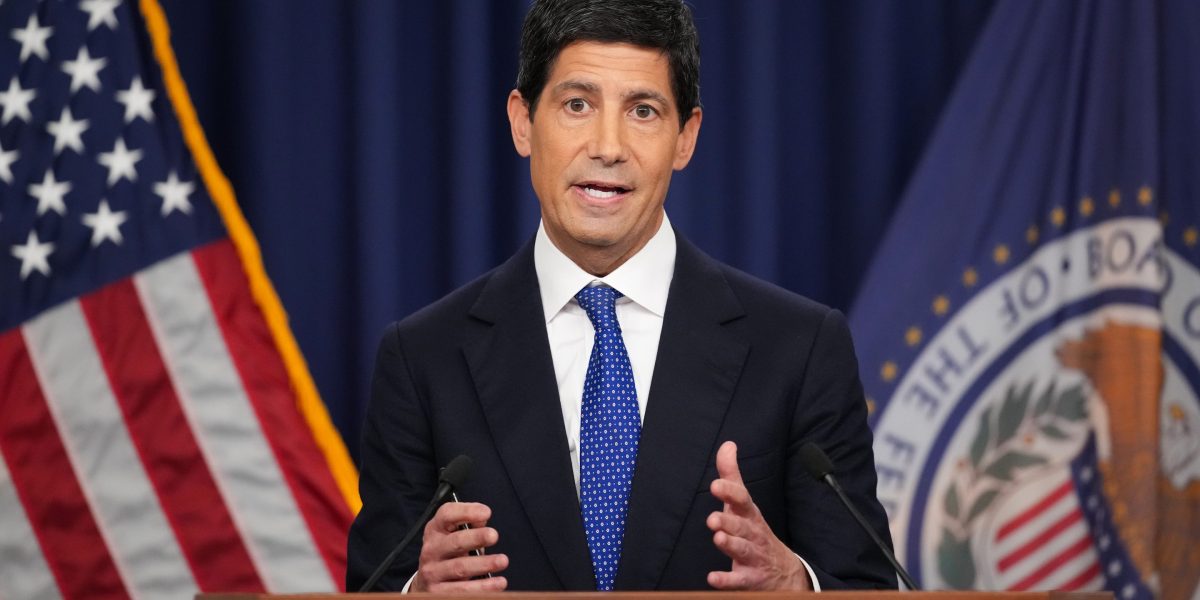
Fed Chair Kevin Warsh told reporters that hyperscalers 'out in the market raising funding' are part of why the 10-year Treasury yield, which just hit 5%, has been rising, saying 'the competition for capital is real.'
Why it matters
Warsh tied the AI buildout to a borrowing benchmark he called 'the risk-free asset' behind virtually every asset price, suggesting the Fed chair sees AI debt as a force in the cost of capital.
What to watch
Warsh's list wasn't exhaustive and he didn't address the deficit, which most bond investors cite; PIMCO has argued the AI effect on Treasuries is 'overstated,' pointing to the Iran conflict instead. Watch the Fed's internal AI task force, due to report by the end of the year.
WHO IT HITSThis lands on corporate treasurers and CFOs deciding when to issue debt, and on mortgage and loan officers whose rates track the 10-year yield. Hyper- (large cloud providers) that can no longer fund data-center buildouts from profits alone may face higher borrowing costs.
Summaries like this, in your inbox every morning.
The Federal Reserve raised its benchmark rate by a quarter point to 3.75-4% on Wednesday, but the rate that matters more for mortgages and corporate loans is the 10-year Treasury yield, which the Fed doesn't set. That yield has been rising for months and just hit the psychologically terrorizing 5%.
When a reporter asked Fed Chair Kevin Warsh what was behind the rise, he gave three reasons: hyperscaler borrowing, economic growth, and geopolitics. On the AI angle, he described the 10-year as 'the most important asset anywhere in the world' and 'the risk-free asset upon which every price of virtually every asset in the world is related to.' The argument is that there is only so much money to lend at any given time, so when Amazon, Microsoft, Alphabet, Meta, Oracle and Coreweave borrow to build data centers, they compete with the U.S. Treasury for that money. Warsh didn't list the federal deficit, the explanation most bond investors themselves give, and didn't address a question about it during the conference. That fits his stated view that Fed independence means 'we stay in our lane.'
The AI angle cuts two ways for the Fed. In his prepared remarks, Warsh cited strong productivity growth and robust capital investment as evidence the economy is strengthening and capital conditions are loose, reasons to hike rather than hold. But he has also been optimistic that AI will eventually expand the economy's capacity and be disinflationary, and said the two sides of the Fed's mandate aren't working against each other. The stakes hinge on whether the AI debt surge persists and how much it feeds into long-term yields that affect everyone's borrowing costs.
For example, today's edition would include:
AI-summarized, only the topics you pick — one digest a day via Email, Slack, or Discord.
Free · 30 seconds with Google · unsubscribe anytimeWhat is AIToday? →
Ask AI anything about this article. Q&As are published on this page for other readers too.
At the China International Optoelectronic Expo (CIOE), German laser and plasma generator maker Trumpf presente…
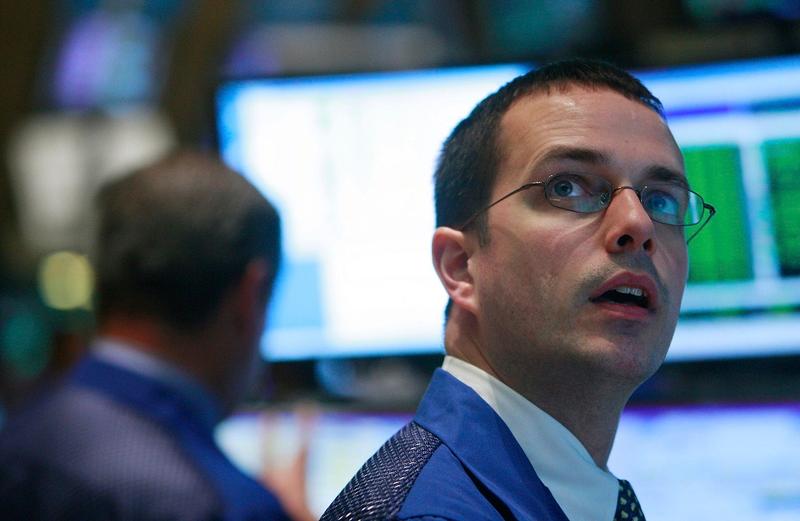
According to the S&P 500's Shiller Price-to-Earnings (P/E) Ratio, this is the second-priciest stock market in…
Bloomberg reported that Crux AI, Blackstone and Alphabet's cloud venture, is set to receive $22 billion in chi…

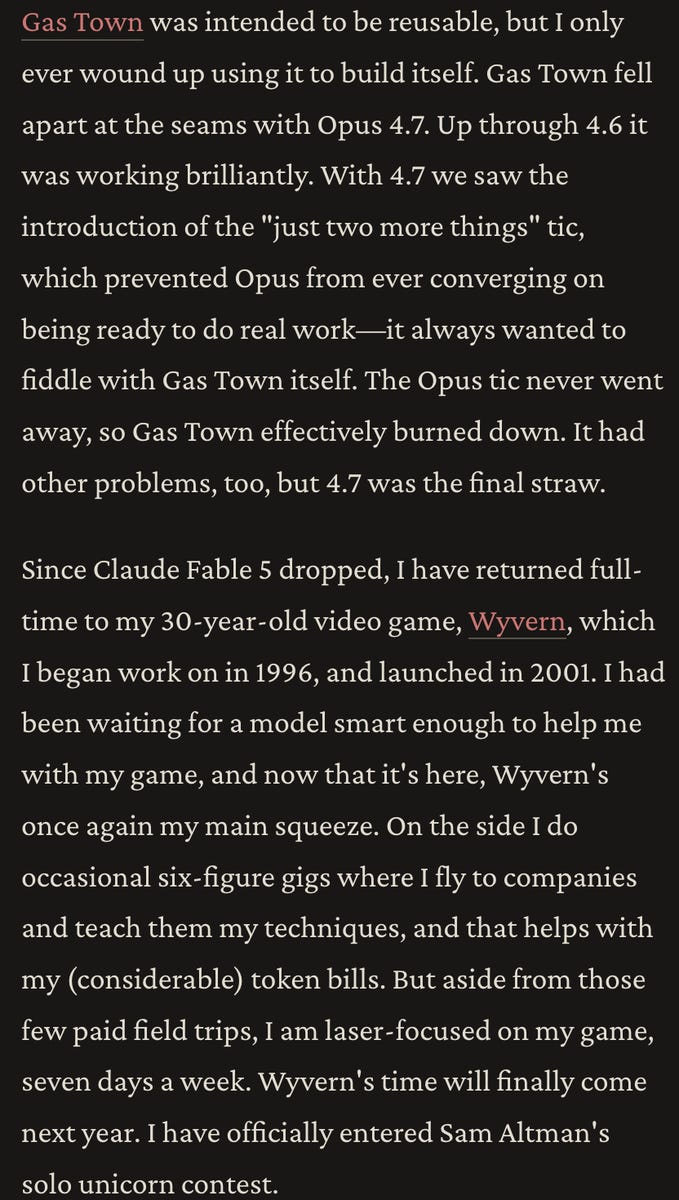
Steve Yegge shut down Gas Town and admitted he never successfully built anything with it, despite spending tho…
GM CEO Mary Barra said skilled trades may be more AI-proof than some white-collar paths, with technicians earn…
Liam Dunne and Ben Moore of Discover Labs said AI search has shifted buyer behavior because people now consume…