What happened
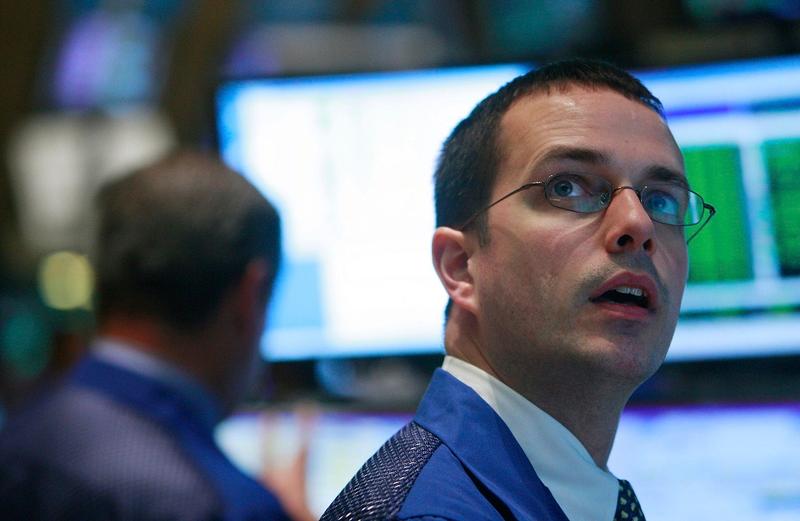
According to the S&P 500's Shiller Price-to-Earnings (P/E) Ratio, this is the second-priciest stock market in history, thanks to AI, and the previous five times it surpassed 30 were followed by declines of 20% or more.
Why it matters
Premium valuations are not sustainable over long periods, and Elon Musk's SpaceX and Anthropic, the developer of the Claude large language model preparing for its initial public offering, both sport trailing-12-month price-to-sales ratios well above the 30 threshold that history ties to bubbles.
What to watch
The FOMC has labeled the AI infrastructure build-out as inflationary, having judged that core goods price inflation largely reflected tariffs and AI-related price pressures, so the test is whether persistently elevated inflation forces the FOMC to raise interest rates and makes borrowing costlier for a build-out financed in part by debt.
WHO IT HITSInvestors holding richly valued AI and tech names, and the companies financing data-center build-outs partly with debt, face the risk that rate hikes or a valuation reset hit both stock prices and borrowing costs.
Summaries like this, in your inbox every morning.
The article frames the AI boom as the latest in a long line of game-changing technologies — the internet among them — that consistently draw investors who overestimate how fast adoption and optimization will pay off, and it notes that internet-driven businesses did not truly mature until several years after the dot-com bubble burst. It applies the same lens to the current data-center build-out: spending is so heavy that adoption is not the problem, but it will likely take years before businesses understand how to optimize AI solutions to maximize sales and profits.
The inflation angle connects the build-out to monetary policy. The article points to President Donald Trump's tariffs and the Iran war driving up consumer prices, and to the FOMC having labeled the AI infrastructure build-out as inflationary. Strong demand for AI hardware and persistent supply shortages are lifting the pricing power of AI-based businesses, but the article notes that higher prices are working their way down the chain to consumers, which raises the prospect of the FOMC raising interest rates.
What the outcome hinges on is whether these pressures stay entrenched enough to reset growth and valuation expectations for a build-out financed in part by debt — and, for investors, whether the historical pattern of Shiller P/E readings above 30 holding true this time looks likely or not.
For example, today's edition would include:
AI-summarized, only the topics you pick — one digest a day via Email, Slack, or Discord.
Free · 30 seconds with Google · unsubscribe anytimeWhat is AIToday? →
Ask AI anything about this article. Q&As are published on this page for other readers too.
At the China International Optoelectronic Expo (CIOE), German laser and plasma generator maker Trumpf presente…

Bloomberg reported that Crux AI, Blackstone and Alphabet's cloud venture, is set to receive $22 billion in chi…

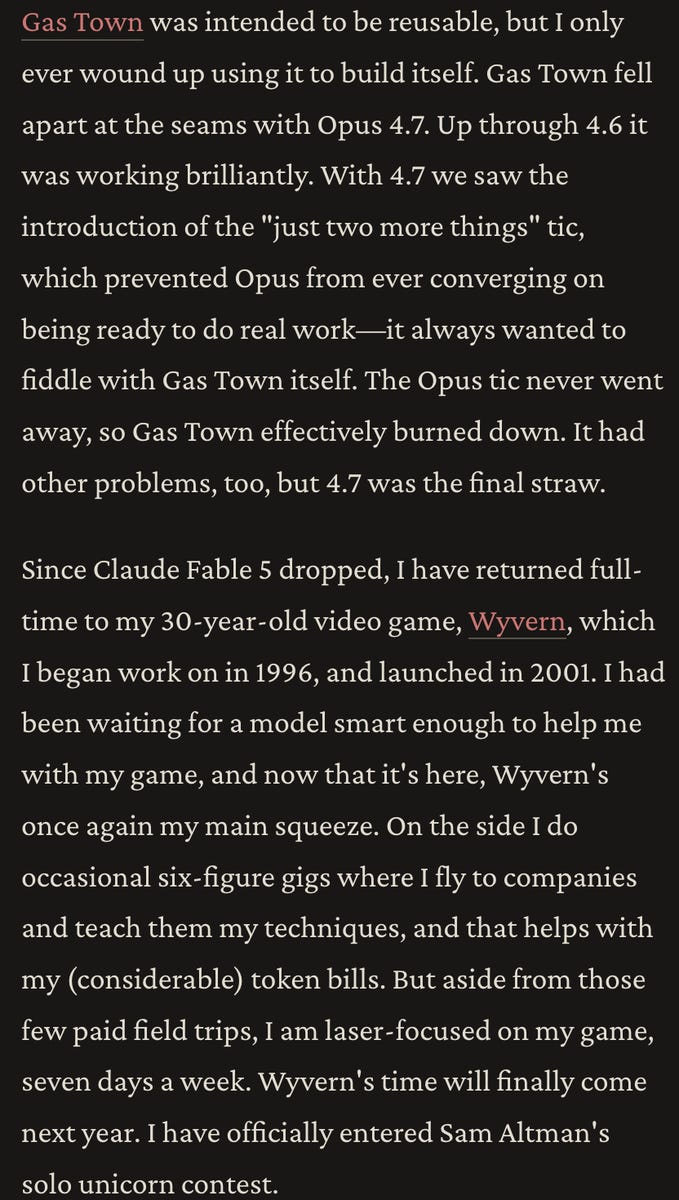
Steve Yegge shut down Gas Town and admitted he never successfully built anything with it, despite spending tho…
GM CEO Mary Barra said skilled trades may be more AI-proof than some white-collar paths, with technicians earn…

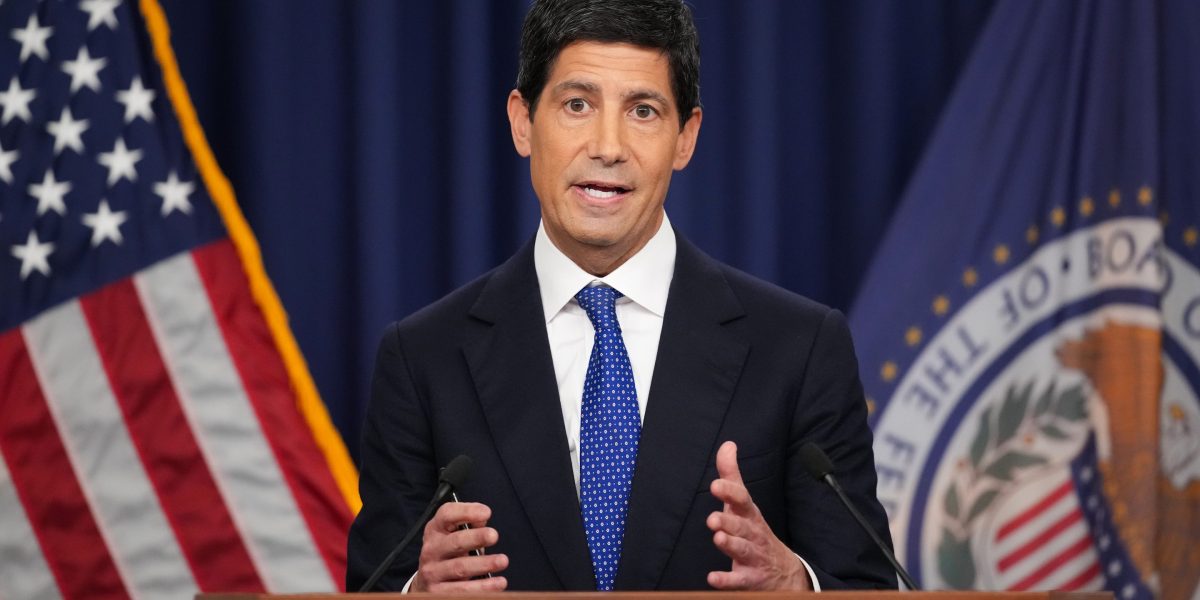
Fed Chair Kevin Warsh told reporters that hyperscalers 'out in the market raising funding' are part of why the…
Liam Dunne and Ben Moore of Discover Labs said AI search has shifted buyer behavior because people now consume…