What happened
Anthropic announced it is launching its own drug discovery programs targeting neglected diseases that traditional pharma and biotech firms consider unprofitable. The company will focus on early, preclinical-stage drug development. Anthropic also unveiled Claude Science, a new AI tool for research, and demonstrated early examples including a UCSF researcher using it to spot a viral contamination in minutes that his team had missed for an entire year.
Why it matters
Pharma R&D timelines and success rates have long been constrained by information delays and operational bottlenecks. Novartis CEO Vas Narasimhan stated that AI tools could cut information and operational latency—which account for roughly 40 percent of total development time—potentially bringing drug development timelines down from twelve years to seven or eight years. Even modest improvements would matter: major pharma companies spend $150 to $200 billion(約32兆円) a year on R&D, and expanding the pool of treatable diseases could make previously unreachable drug targets viable.
What to watch
Claude Science analyzed 100 rare genetic diseases in under an hour and flagged 32 candidates for computational screening. Anthropic frames this drug discovery work as aligned with its nonprofit mission and as a way to build better AI models through firsthand experience in the sector. Other AI firms—including Deepmind (via Isomorphic Labs with Alphabet) and OpenAI—are also expanding into medicine and clinical tools.
Summaries like this, in your inbox every morning.
Pick your industry and the AI tools you use, and get news related to your work every day.
Free · 30 seconds with Google · unsubscribe anytimeWhat is AIToday? →
Ask AI anything about this article. The AI reads this article, earlier AIToday articles, and Wikipedia, and cites its sources. Q&As are published on this page for other readers too.
In Q2, billionaires or their funds sold six 'Magnificent Seven' AI stocks
Nvidia was rising early Friday, even as the wider chip sector kept falling, Barron's reported
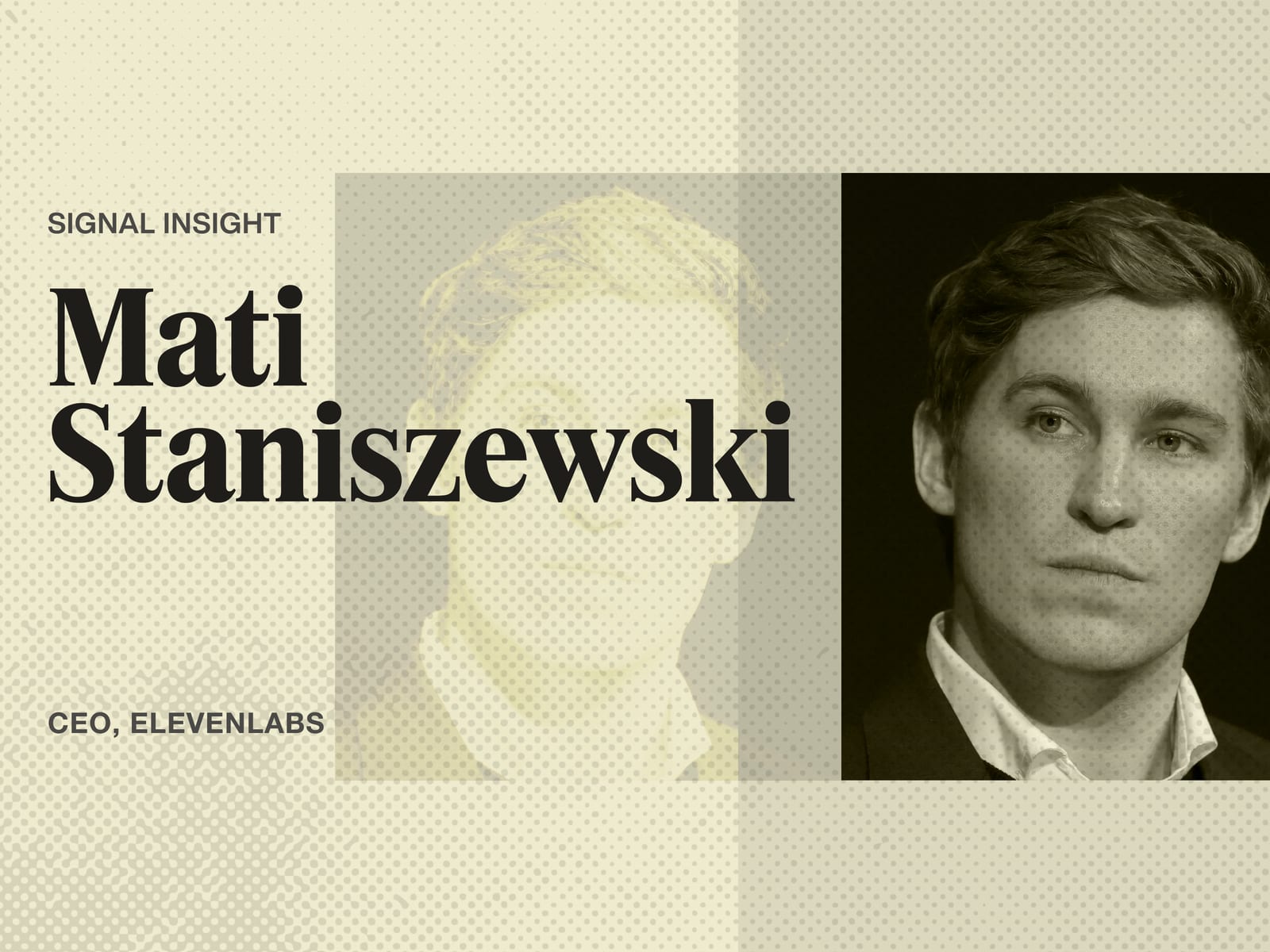
ElevenLabs completed a $300 million employee tender at a $22 billion valuation, and co-founder Mati Staniszews…
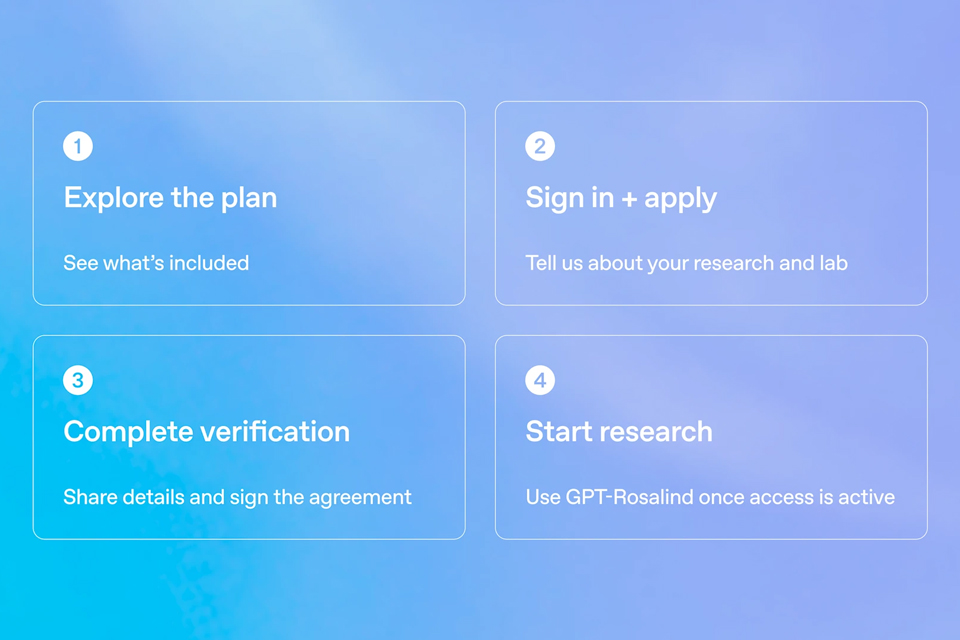
On October 15, OpenAI announced the Rosalind Academic Plan, giving approved US university labs free access to…
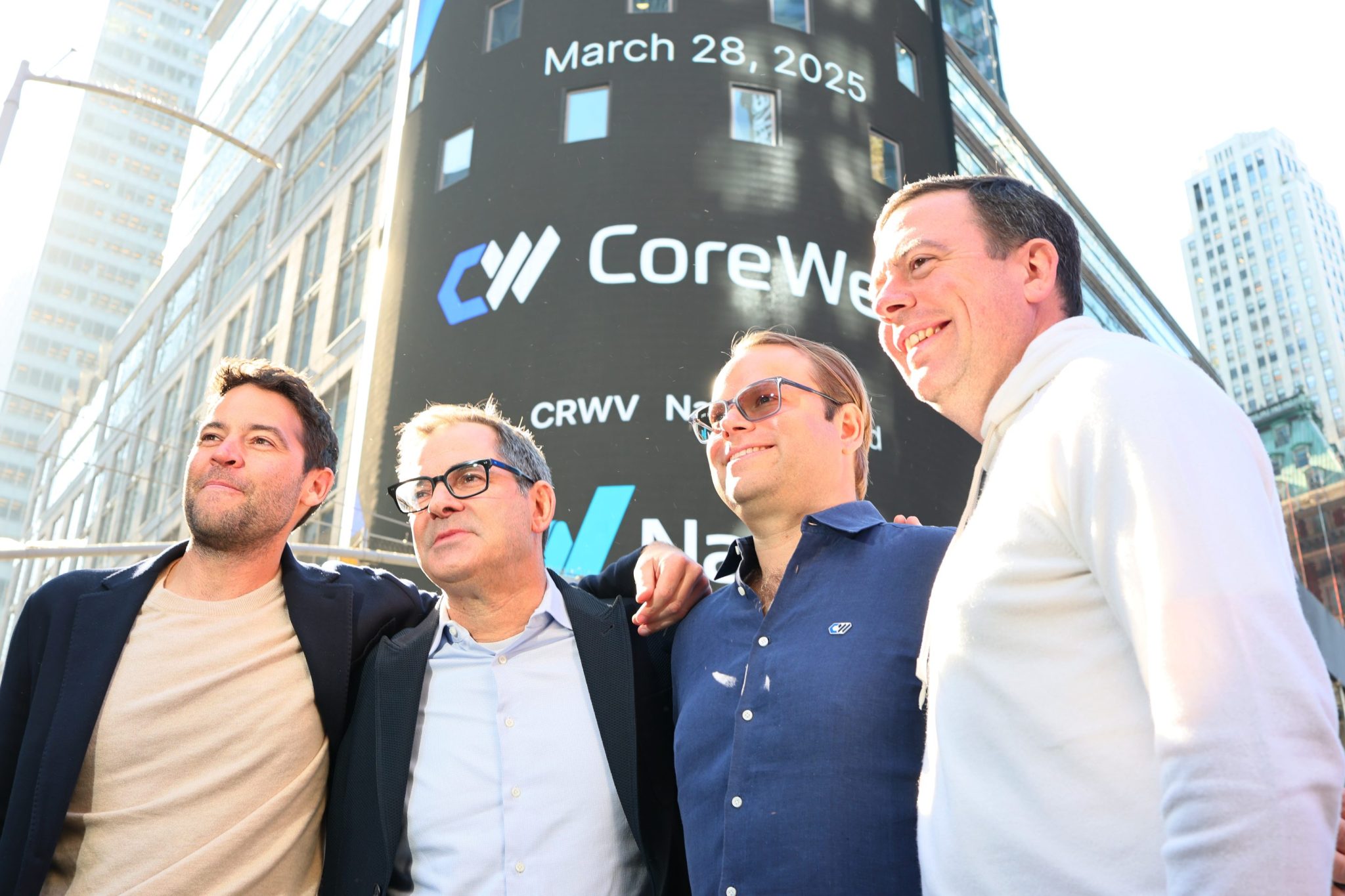
Neostellar Capital principal Evan Schlossman said CoreWeave's $103.7 billion in remaining performance obligati…
Supermicro Computer appointed Mark Long as chief financial officer, bringing an experienced technology finance…