What happened
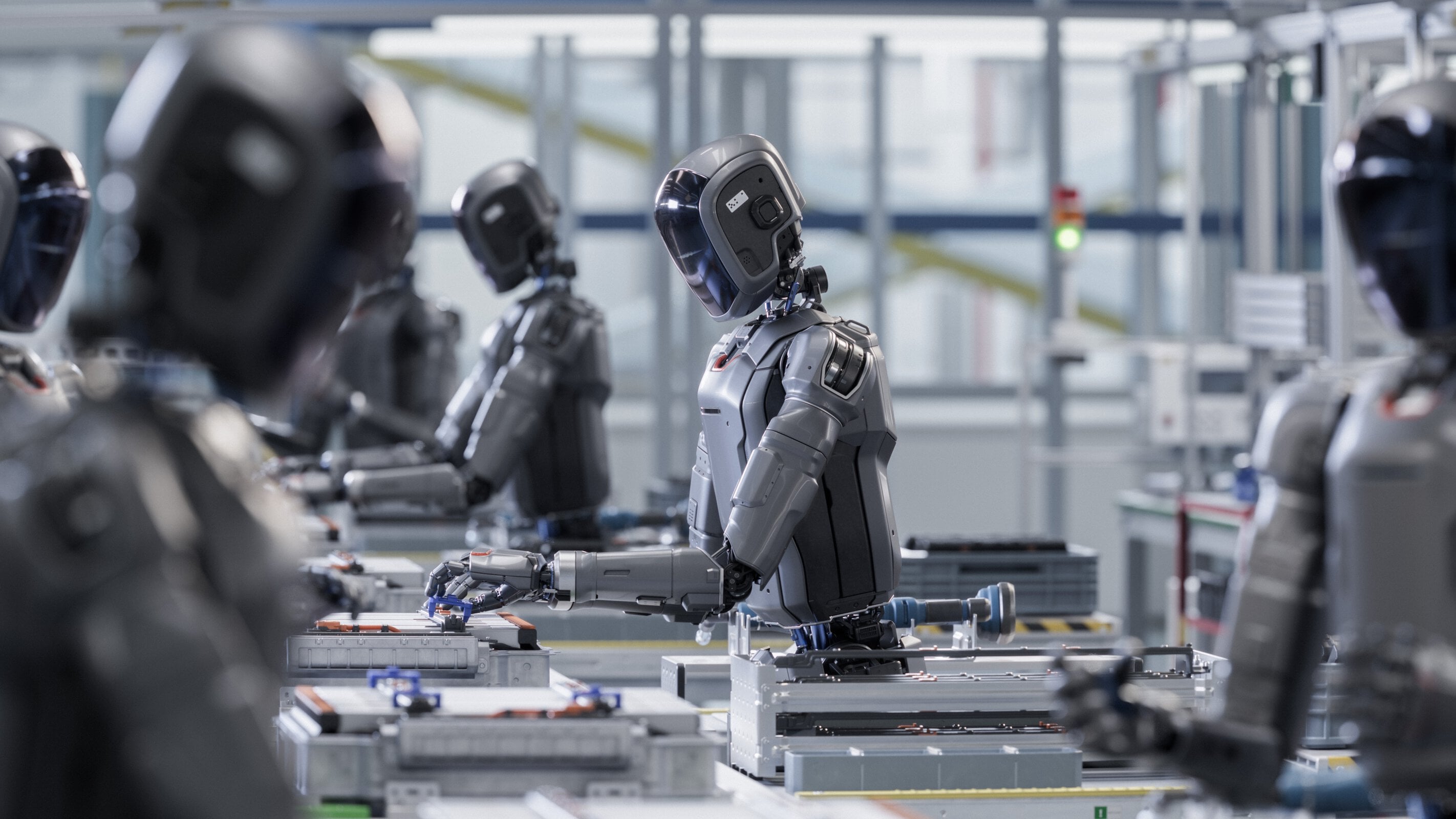
Chinese robotics company Unitree's upcoming IPO on a Chinese exchange is reportedly 8,000× oversubscribed, demonstrating investor demand for pure-play robotics exposure. Separately, Regal Rexnord (a US-listed robotics-adjacent supplier) fell from $220 to $170 after earnings, despite beating adjusted EPS ($2.99 vs. $2.58 consensus) and reporting 16.2% growth in its Automation & Motion Control segment.
Why it matters
The Unitree oversubscription signals how much appetite exists for robotics as the next platform shift after generative AI. However, Regal Rexnord's decline illustrates the volatility investors will face: the company's robotics revenue (from co-engineering work in humanoids, cobots, and surgical robotics) is not yet reflected in earnings, and meaningful revenue contributions from modular data center orders will not arrive until 2027.
What to watch
Regal Rexnord's 2027 shippable backlog in Industrial Powertrain Solutions is up over 20% versus the same time last year, and AMC first-half daily orders were up over 25% year over year, with nearly half reflecting longer-cycle projects benefiting 2027 and 2028. Unitree will not trade on a US exchange directly, but robotics-themed ETFs with international exposure may gain access.
Summaries like this, in your inbox every morning.
The Unitree IPO oversubscription and Regal Rexnord selloff reveal a sharp split between investor appetite for robotics and the reality of commercialization timelines. Unitree's 8,000× oversubscription demonstrates the market's eagerness to gain exposure to pure-play robotics companies. Yet Regal Rexnord's experience—a decline from $220 to $170 despite strong operational metrics—illustrates why pure plays face volatility: the company's robotics opportunity lies in co-engineering work with customers in humanoids, cobots, and surgical robotics that remains largely off the earnings sheet today. The bulk of revenue from modular data center orders will not ship until 2027, and longer-cycle projects embedded in backlog growth will materialize over 2027 and 2028.
Both analysts framed robotics as a real, multi-year thesis but one requiring patience. Austin Smith drew a parallel to earlier waves like drones and self-driving cars, which took far longer to reach commercial relevance than early enthusiasm predicted. The critical convergence point—AI models, batteries, manufacturing scale, and materials breakthroughs—means any slip in one leg introduces volatility. Regal Rexnord's order growth and backlog strength suggest the underlying industrial logic remains intact, yet the stock decline shows the market is unprepared for the lag between order momentum and revenue realization. For investors, this sets up a test of conviction: whether they can hold through the gap between demonstrated demand signals (backlog, orders, engineering pipelines) and actual revenue inflection.
Pick your industry and the AI tools you use, and get news related to your work every day.
Free · 30 seconds with Google · unsubscribe anytimeWhat is AIToday? →
Ask AI anything about this article. The AI reads this article, earlier AIToday articles, and Wikipedia, and cites its sources. Q&As are published on this page for other readers too.
In Q2, billionaires or their funds sold six 'Magnificent Seven' AI stocks
Nvidia was rising early Friday, even as the wider chip sector kept falling, Barron's reported
ElevenLabs completed a $300 million employee tender at a $22 billion valuation, and co-founder Mati Staniszews…

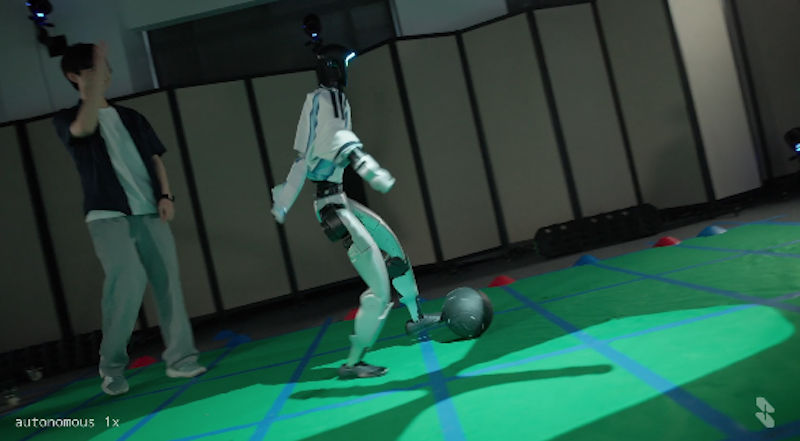
Skild AI used Nvidia Isaac Sim to give its S1 model one objective — score a goal — and let it compete against…
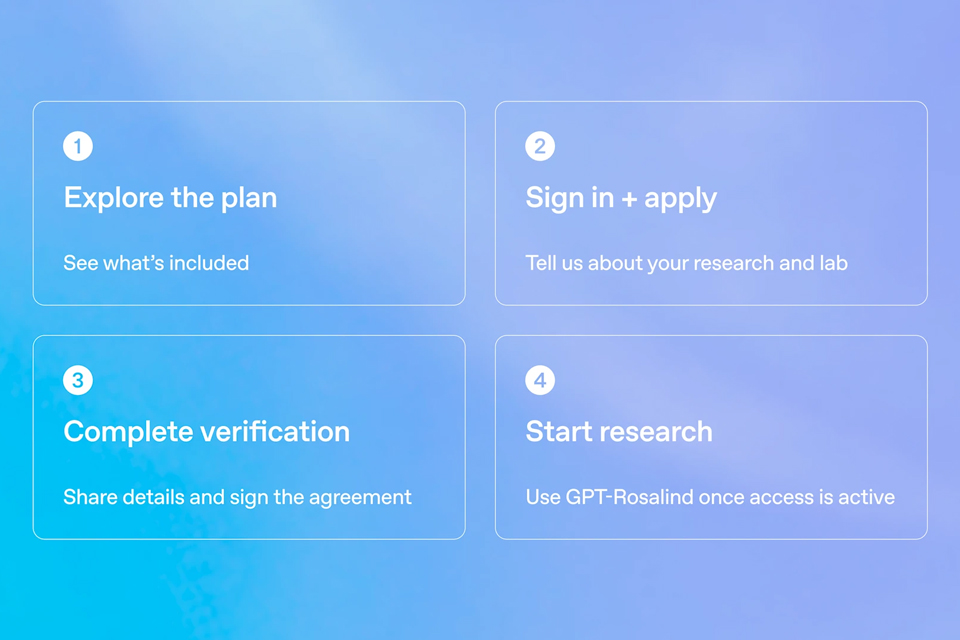
On October 15, OpenAI announced the Rosalind Academic Plan, giving approved US university labs free access to…
Neostellar Capital principal Evan Schlossman said CoreWeave's $103.7 billion in remaining performance obligati…