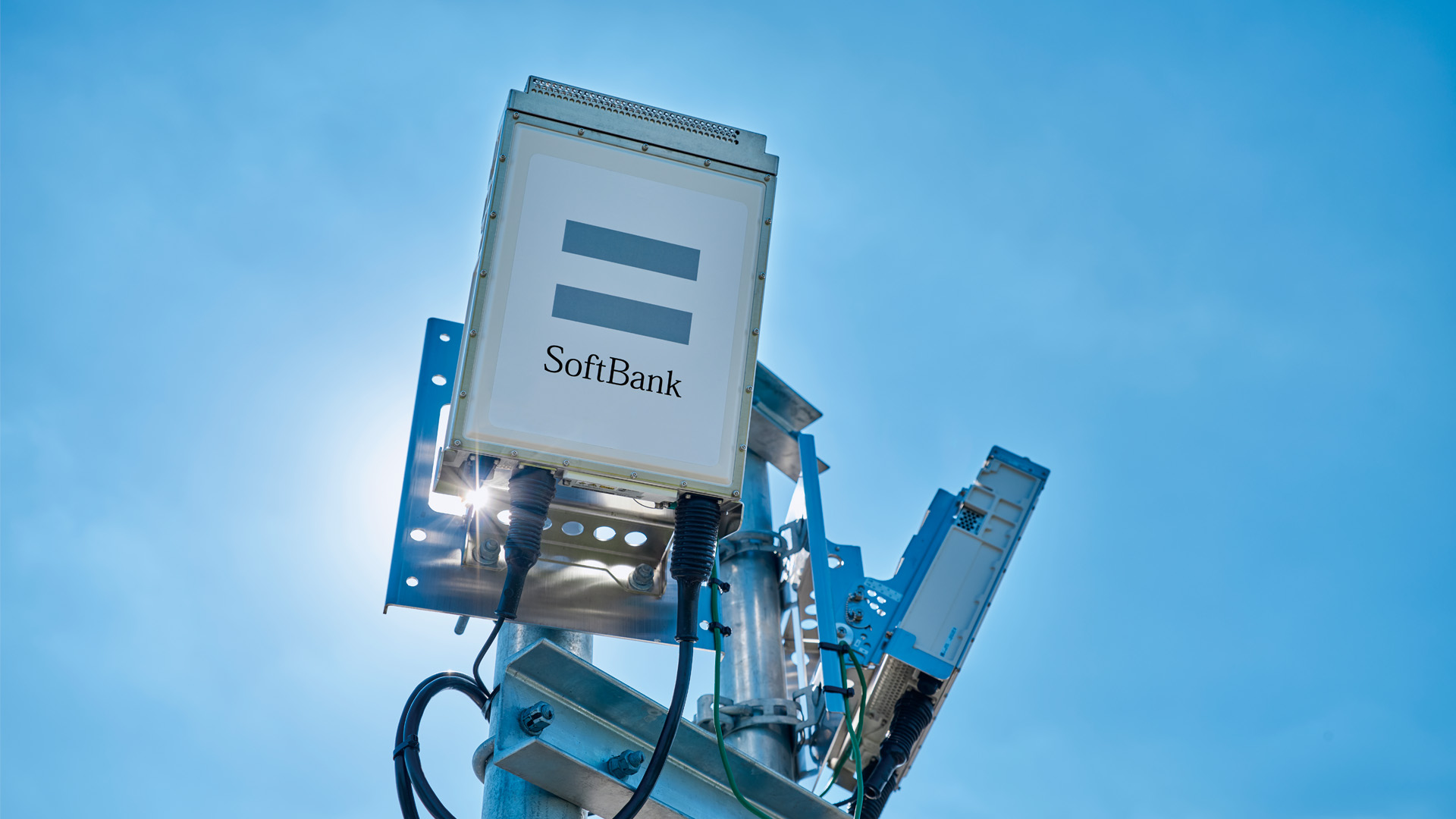
SoftBank is deploying AITRAS nationwide, an AI-RAN solution that combines mobile base station functions with AI computing on the same hardware platform. The system enables ultra-low-latency, high-security AI services by automatically optimizing computing resources between telecom and AI workloads, eliminating the surplus capacity that traditional base stations waste during off-peak hours. Commercial deployment is planned starting from fiscal year 2026.
Summaries like this, in your inbox every morning.
Sign up free →何が起きたか
ソフトバンクが開発したAI-RANソリューション「AITRAS」を全国に配置する。基地局機能とAI推論・トレーニング用サーバーを同じハードウエア基盤上で運用し、超低遅延で高セキュリティなネットワークを実現するシステムです。
なぜ重要か
従来の基地局は夜間などに余剰リソースが多く発生していましたが、AITRASでは計算リソースを自動的に最適化できるため、無駄を削減できます。また自動運転、産業用ロボット、ヒューマノイドなど低遅延が必要なAIサービスの実現を促進し、今後の労働力不足が加速する日本でインフラがボトルネックにならないようにします。
注目点
慶應義塾大学での実証実験や安川電機とのフィジカルAI実証に成果をあげており、基地局の設備更改に合わせて最短で2026年度をめどに商用ネットワークへの実装を開始する予定です。今後は国内外の通信事業者への提供も計画されています。
SoftBank's development of AITRAS addresses a fundamental inefficiency in telecommunications infrastructure: traditional base stations are designed around peak traffic demand, leaving significant idle capacity during off-peak hours that cannot be repurposed. By integrating AI computing directly into the base station layer using NVIDIA GPUs and custom orchestration software, AITRAS transforms base stations from pure cost centers into revenue-generating platforms while consolidating investments in both telecom and AI data center infrastructure.
The practical advantage centers on latency and resource optimization. Current AI services split processing between edge devices (for simple tasks) and distant cloud servers (for complex AI models), incurring communication delays that degrade real-time applications. AITRAS processes AI inference within the telecom operator's network, dramatically reducing response time while allowing automatic load balancing across a distributed network of base stations. This architecture targets applications where latency is critical—autonomous vehicles, collaborative industrial robots handling sensitive data, and humanoid systems—and where regional data residency or high security is required, such as municipal AI systems.
The article frames AITRAS not merely as a technical achievement but as infrastructure adaptation to Japan's demographic pressures. As labor shortages accelerate, the risk that aging telecommunications infrastructure becomes a bottleneck to AI service adoption justifies the investment; conversely, positioning base stations as AI platforms removes that constraint. SoftBank's stated plan to deploy nationwide by fiscal year 2026 and extend internationally to fiber-equipped regions suggests confidence in both technical readiness (evidenced by trials with Keio University and Yaskawa Electric) and commercial viability.
No comments yet. Be the first to share your thoughts!
Log in to join the discussion




Get curated AI news from 200+ sources delivered daily to your inbox. Free to use.
Get Started FreeFree · takes 30 seconds · unsubscribe anytime
1 minute a day. The AI essentials.
200+ sources · Email / LINE / Slack
