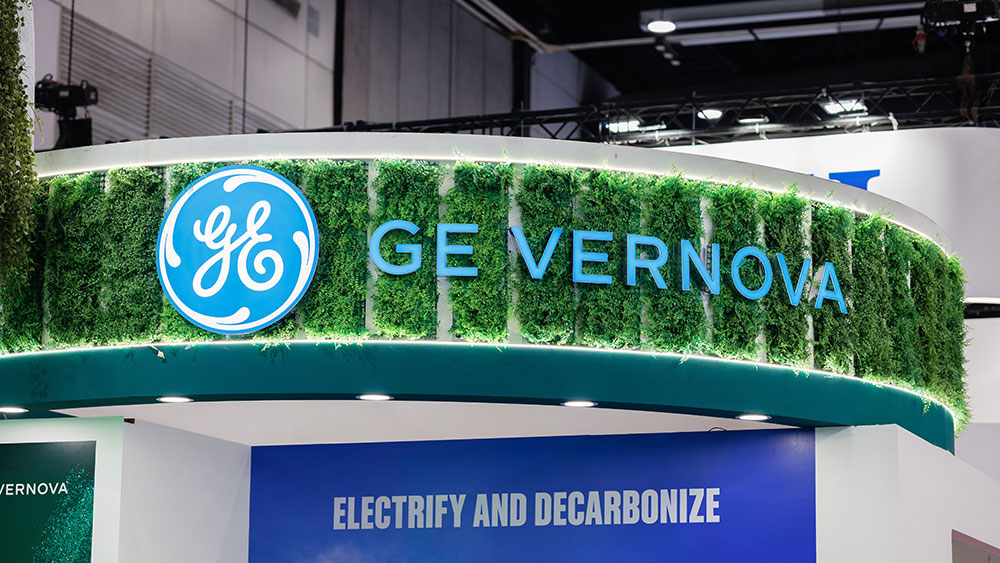
GE Vernova reported weaker-than-expected second-quarter earnings and saw its stock fall sharply, despite confirming that its gas turbines are sold out through 2029. The company has benefited from aggressive purchases by Big Tech firms building AI data-center campuses, but the earnings miss suggests the strong demand is not translating cleanly to profitability—a signal of potential cost or execution challenges ahead.
Summaries like this, in your inbox every morning.
Sign up free →What happened
GE Vernova reported second-quarter earnings that fell short of expectations on Wednesday, though revenue topped forecasts. The stock plunged below a key support level in morning trading. The company confirmed in June that its heavy-duty gas turbines are essentially sold out through 2029, with Big Tech companies aggressively purchasing units to power AI data-center campuses.
Why it matters
The disconnect between sold-out inventory and a disappointing earnings result suggests execution or margin challenges—even as demand for the turbines remains strong enough to sustain a multi-year backlog. For investors and stakeholders in energy infrastructure, this signals that supply constraints alone do not guarantee profitability.
What to watch
The market's reaction to the earnings miss and the company's path to converting its 2029 backlog into sustained profit growth. Clarification on whether the shortfall reflects supply-chain costs, manufacturing delays, or other operational headwinds will be key to investor confidence.
GE Vernova released second-quarter earnings on Wednesday that disappointed the market: while revenue topped expectations, earnings fell short. The stock reacted swiftly, plunging below a key support level in morning trading. The underlying driver of demand, however, remains robust. In June, the company confirmed that its massive, heavy-duty gas turbines are essentially sold out through 2029, a testament to the aggressive purchasing by Big Tech companies seeking to power their artificial-intelligence data-center campuses. The multi-year backlog underscores the industry's bet on sustained demand for power infrastructure to support AI workloads. Yet the second-quarter earnings shortfall raises questions about whether GE Vernova can profitably execute on that backlog—a critical issue for investors monitoring the company's ability to convert secured orders into shareholder value.
GE Vernova faces a paradoxical challenge: despite securing a sold-out backlog extending to 2029, the company's second-quarter earnings fell short of expectations. This disconnect points to a common dynamic in capital-intensive manufacturing—demand visibility does not automatically convert to margin delivery. The aggressive purchasing by Big Tech companies building out AI data-center infrastructure has locked in future revenue, yet the earnings miss suggests that costs, production efficiency, or pricing pressure may be eroding profitability on those committed sales. The stock's sharp decline below a key technical level reflects investor concern that the company may struggle to translate backlog strength into acceptable returns.
AI-summarized, only the topics you pick — one digest a day via Email, Slack, or Discord.
Free · takes 30 seconds · unsubscribe anytime
No comments yet. Be the first to share your thoughts!
Log in to join the discussion



Get curated AI news from 200+ sources delivered daily to your inbox. Free to use.
Get Started FreeFree · takes 30 seconds · unsubscribe anytime
1 minute a day. The AI essentials.
200+ sources · Email / LINE / Slack
