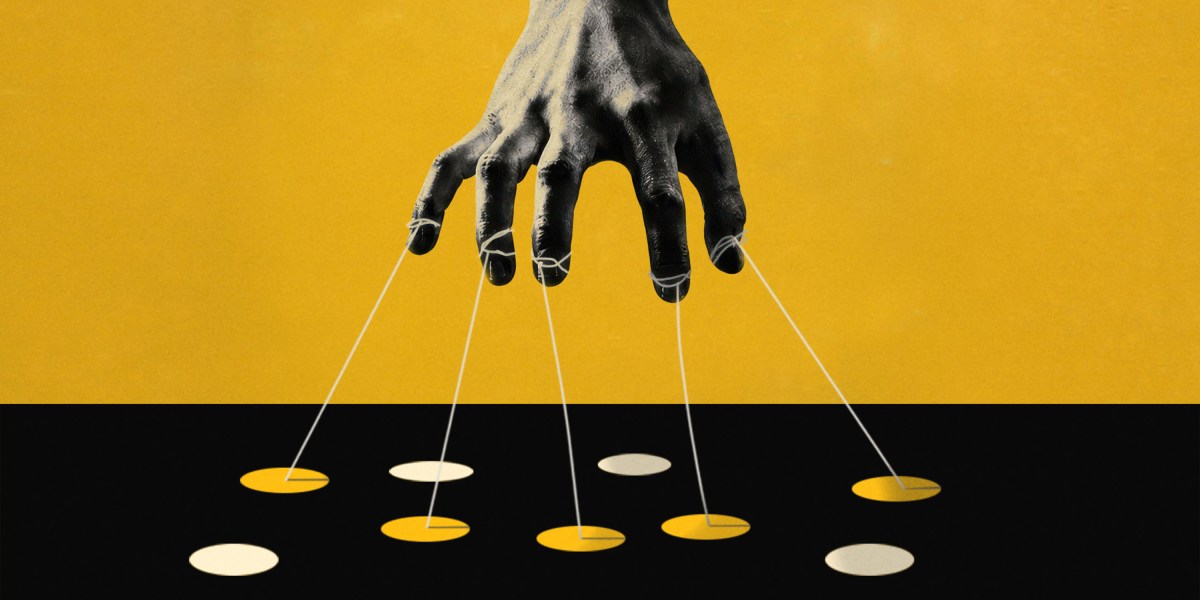
What happened
Scientists trained AI on DNA sequences to design new genomes, producing 16 novel viruses that pose no threat to people. Separately, a New Mexico judge fined Meta $567 million over harms to children, bringing the total fine in the landmark trial to $942 million after a jury found Meta had misled users over child safety.
Why it matters
AI-designed viruses could lead to medical breakthroughs, but experts note uncertainty about risks from pathogens never seen before—as Dr Moritz Hanke of Johns Hopkins Center for Health Security put it, "What is the risk of what I've never seen before?" The Meta ruling underscores continued regulatory pressure on platforms over child protection practices.
What to watch
The AI-designed viruses carry dual-use potential (medical advances or biological weapons); researchers are still assessing risks. Meta's combined $942 million in fines signals escalating financial consequences for child safety violations.
Summaries like this, in your inbox every morning.
The article highlights two distinct but complementary stories about AI's growing power and the regulatory response to technology platforms. The virus-design breakthrough represents a milestone in AI capability—the first time machine learning has been used to generate entirely novel pathogens from genetic sequences. Scientists acknowledge dual-use potential: the technology could unlock medical discoveries, yet also opens a path to biological weapon creation. The uncertainty itself is notable; Dr Moritz Hanke's quote captures the regulatory and scientific dilemma: there is no consensus on the dangers of a pathogen no human has encountered before, making risk assessment difficult.
The Meta fine reflects a parallel theme: regulators are moving from warnings to enforcement against technology companies over child safety. At $942 million in total penalties, the ruling signals that courts and regulators view misleading users about safety protections as a material violation. Both stories—the AI breakthrough and the Meta penalty—underscore how rapidly AI and platform capabilities are advancing, and how the legal and scientific frameworks to govern them are still being established.
Pick your industry and the AI tools you use, and get news related to your work every day.
Free · 30 seconds with Google · unsubscribe anytimeWhat is AIToday? →
Ask AI anything about this article. The AI reads this article, earlier AIToday articles, and Wikipedia, and cites its sources. Q&As are published on this page for other readers too.
In a webinar hosted by French Mathematical Society president Isabelle Gallagher, Fields Medal winner Hugo Dumi…

Anthropic said on October 15 it has started giving METR's six staff company devices, office space and access t…
NVIDIA published a blog post titled "AI Security Is an Engineering Problem - How to Solve It at Every Layer of…

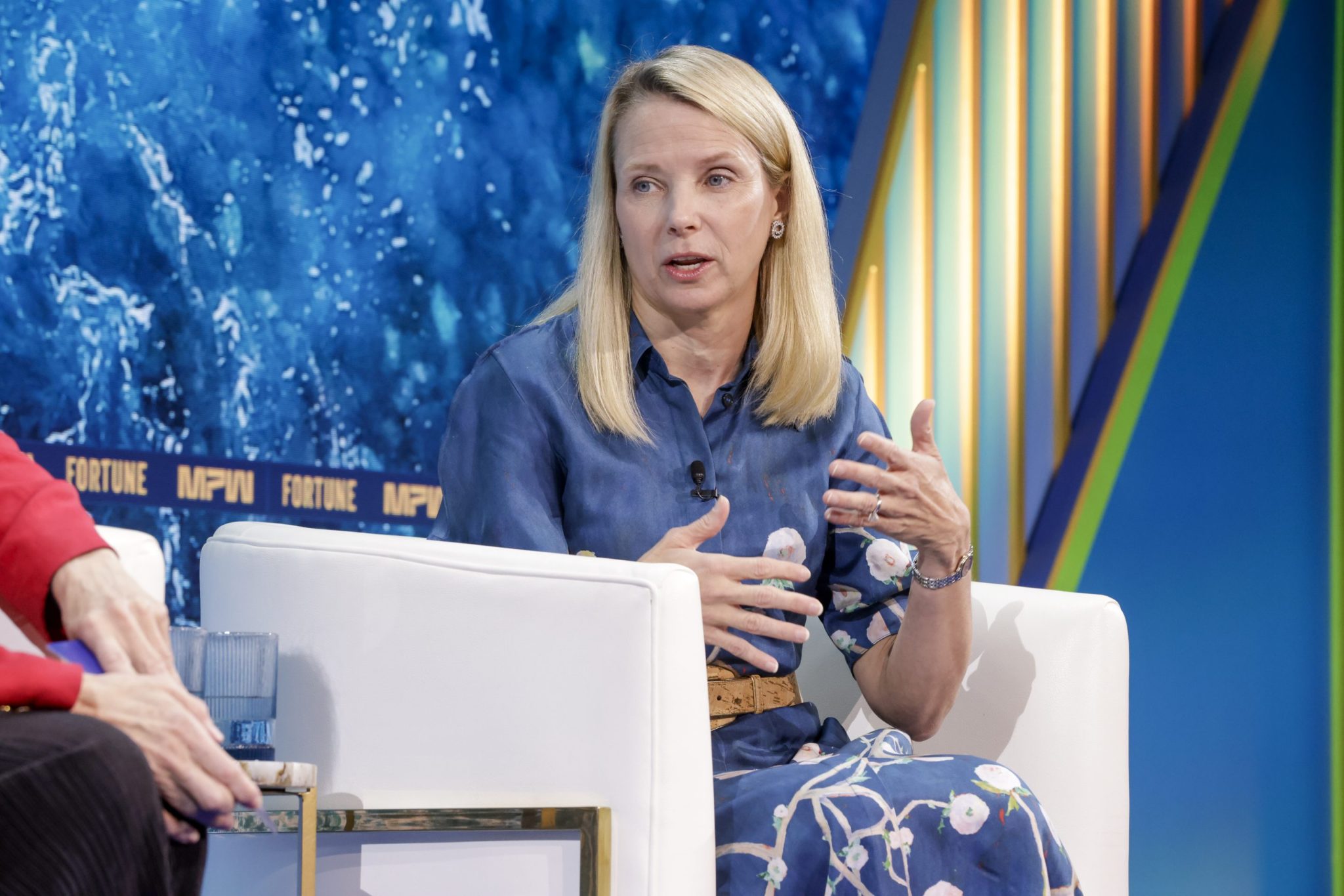
At the Most Powerful Women Summit, Marissa Mayer said anyone who claims to know how AI will play out is 'eithe…
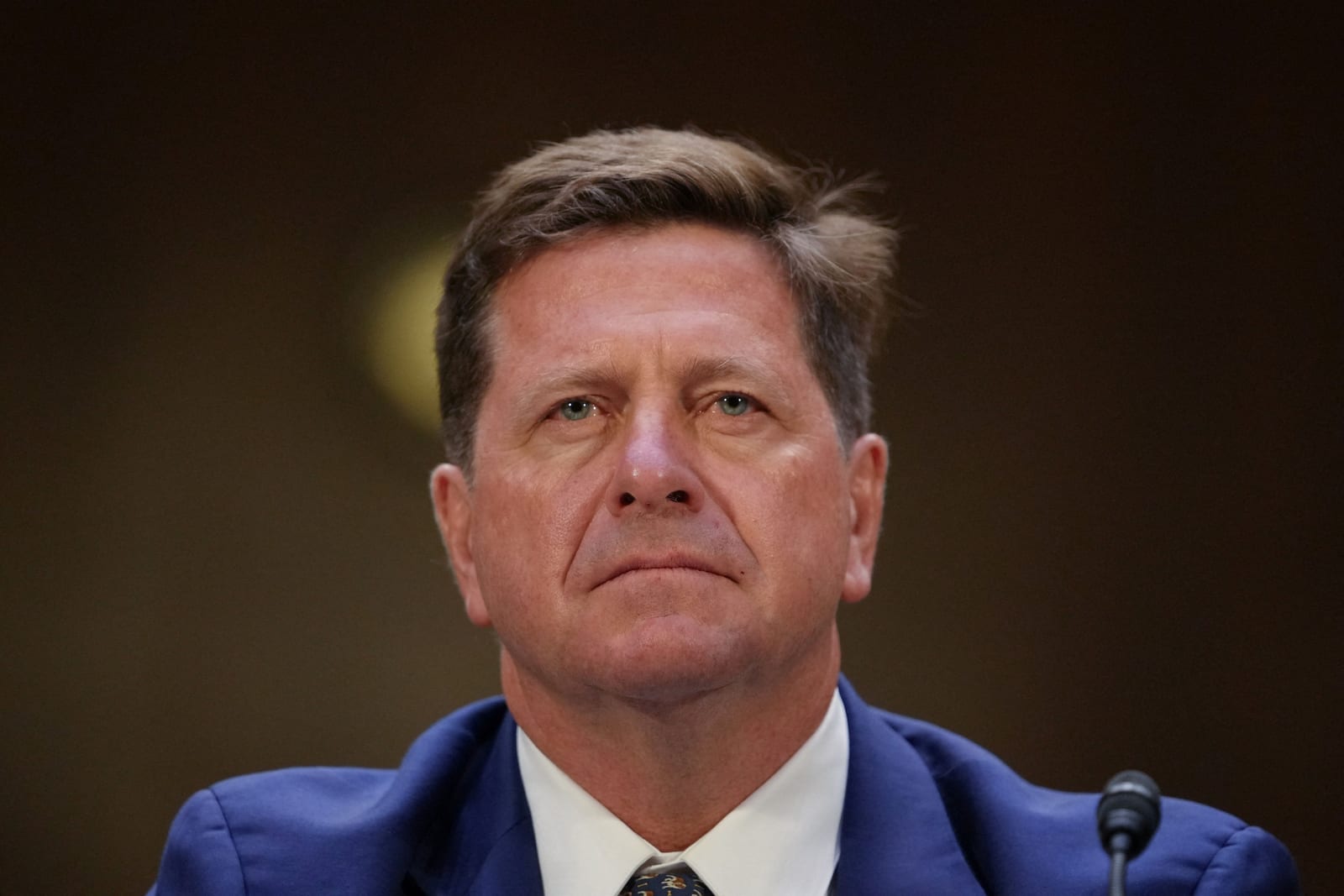
After its first meeting Thursday, the White House AI task force formally adopted its charter, opening a 120-da…
In a Harvard survey of more than 5,400 Americans, over half of men claimed familiarity with fictitious AI lumi…