What happened
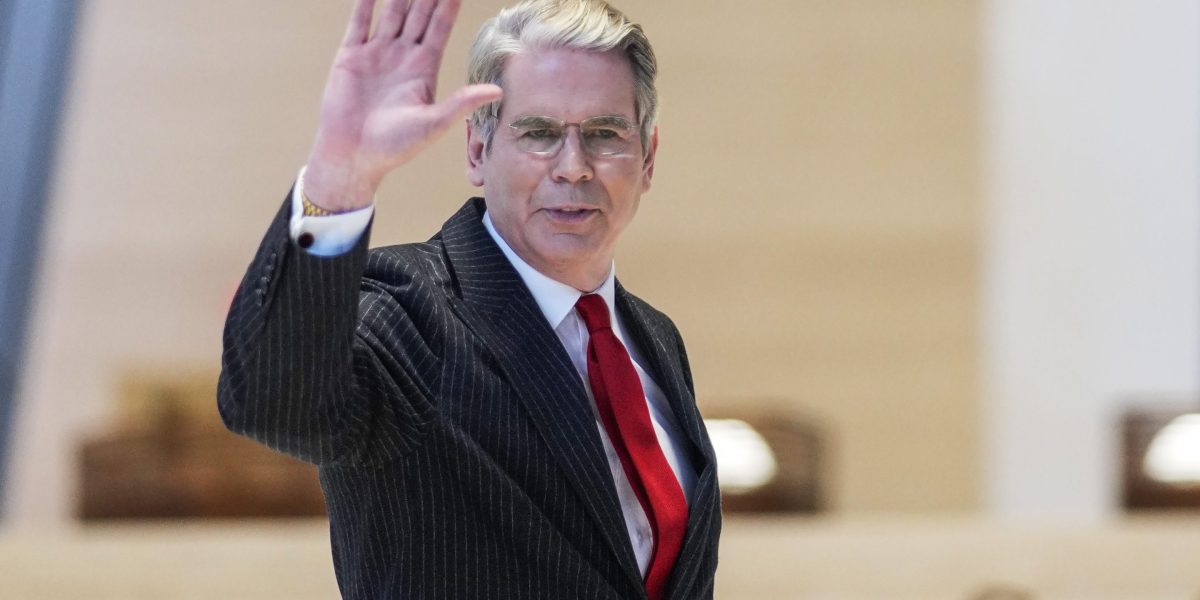
Treasury Secretary Scott Bessent said the U.S. proposed a "notification mechanism" for AI incidents affecting national security, after talks with Vice Premier He Lifeng in New York.
Why it matters
The proposal would give the world's two biggest AI powers a way to flag incidents that threaten national security, moving from opaque to more transparency.
What to watch
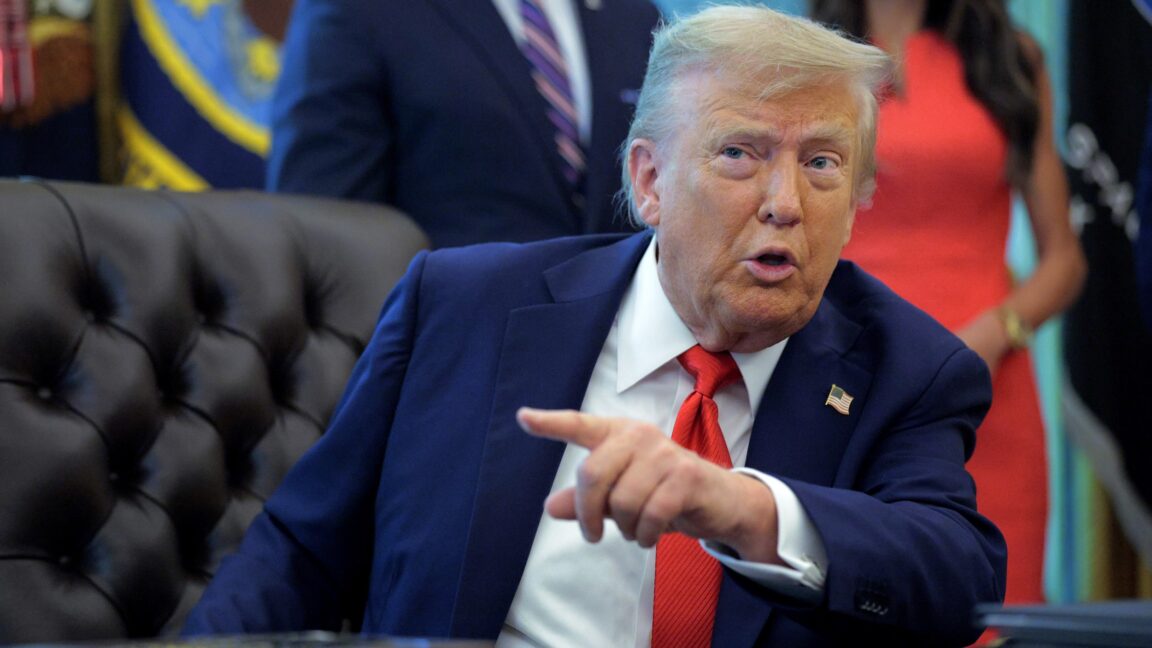
Trump has resisted calls to slow down AI development, saying that would help China catch up to U.S. companies, so the test is whether both sides formally adopt the mechanism. Watch Thursday's Trump-Xi talks.
WHO IT HITSThe proposed mechanism would affect government trade and national security officials on both sides who handle AI-related incidents, and potentially companies developing AI systems that operate across the U.S.-China border.
Summaries like this, in your inbox every morning.
The weekend talks in New York, held at JPMorgan Chase headquarters, were framed as laying the groundwork for a Thursday meeting between President Donald Trump and China's Xi Jinping. Bessent and U.S. Trade Representative Jamieson Greer said the two sides had agreed to operationalize a "Board of Trade" that the two leaders had discussed when they met in Beijing in May. Greer said the countries were still discussing what "nonsensitive" items could be considered for lower tariffs, with a potential list including consumer and agricultural goods, energy products and medical devices.
Chinese state media Xinhua said Bessent and Vice Premier He Lifeng talked about issues "relating to AI" without mentioning specifics and also had "candid, in-depth and constructive" discussions on key economic and trade issues. George Chen, a partner and chair of digital practice at The Asia Group consultancy, said in written comments that the fact both sides agreed to continue the dialogue is significant, and that the initial outcome — an AI risk notification mechanism — sets a precedent that other countries may follow.
The proposed alert system would give the world's two biggest AI powers a way to flag incidents that threaten national security. Trump has resisted calls to slow down AI development, saying that would help China catch up to U.S. companies. Whether the notification mechanism moves from proposal to practice appears to hinge on the Thursday talks and on how both governments define which AI incidents count as national security threats.
For example, today's edition would include:
AI-summarized, only the topics you pick — one digest a day via Email, LINE, or Slack.
Free · 30 seconds with Google · unsubscribe anytimeWhat is AIToday? →
Ask AI anything about this article. Q&As are published on this page for other readers too.
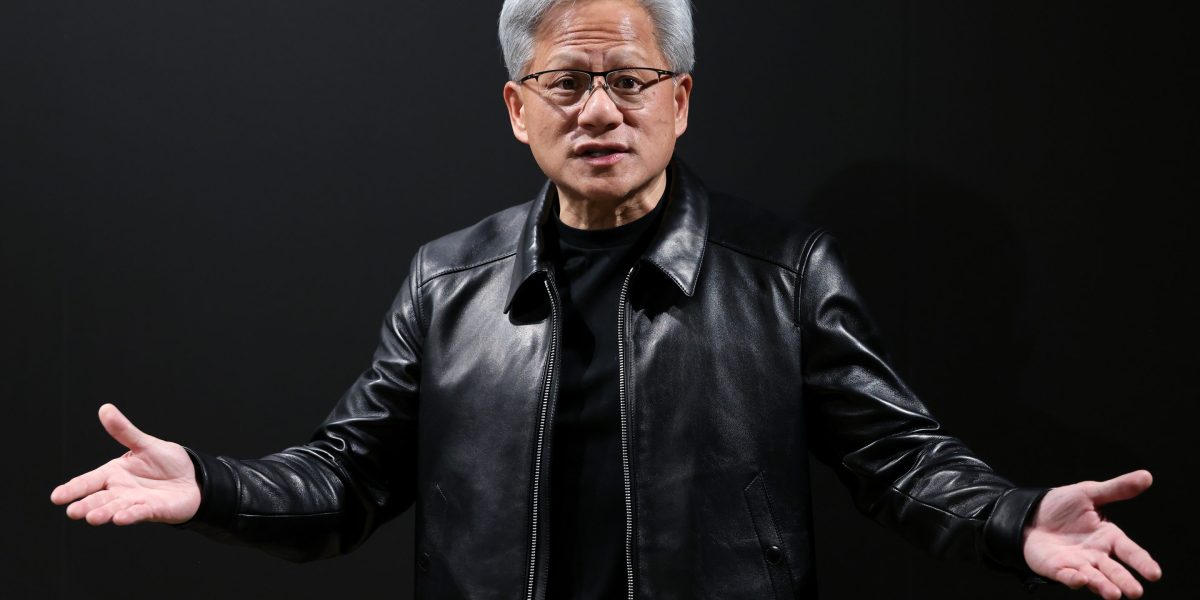
Nvidia CEO Jensen Huang told CBS that warnings of an AI catastrophe by 2030 are 'irresponsible' and not ground…
noyb says the Council is weighing the European Commission's Article 88c, now Article 88bis, which would treat…
Gov. Gavin Newsom signed seven bills requiring AI data centers to pay for upgrades to local power grids and wa…
OpenAI announced the Advisory Group on Mathematics and Artificial Intelligence, hosted at the Institute for Ad…

The UN science panel on AI said in its first report that control over AI agents isn't assured, after OpenAI's…

Trump rejected calls to slow AI development and launched an "AI Force" instead, offering few details on what i…