What happened
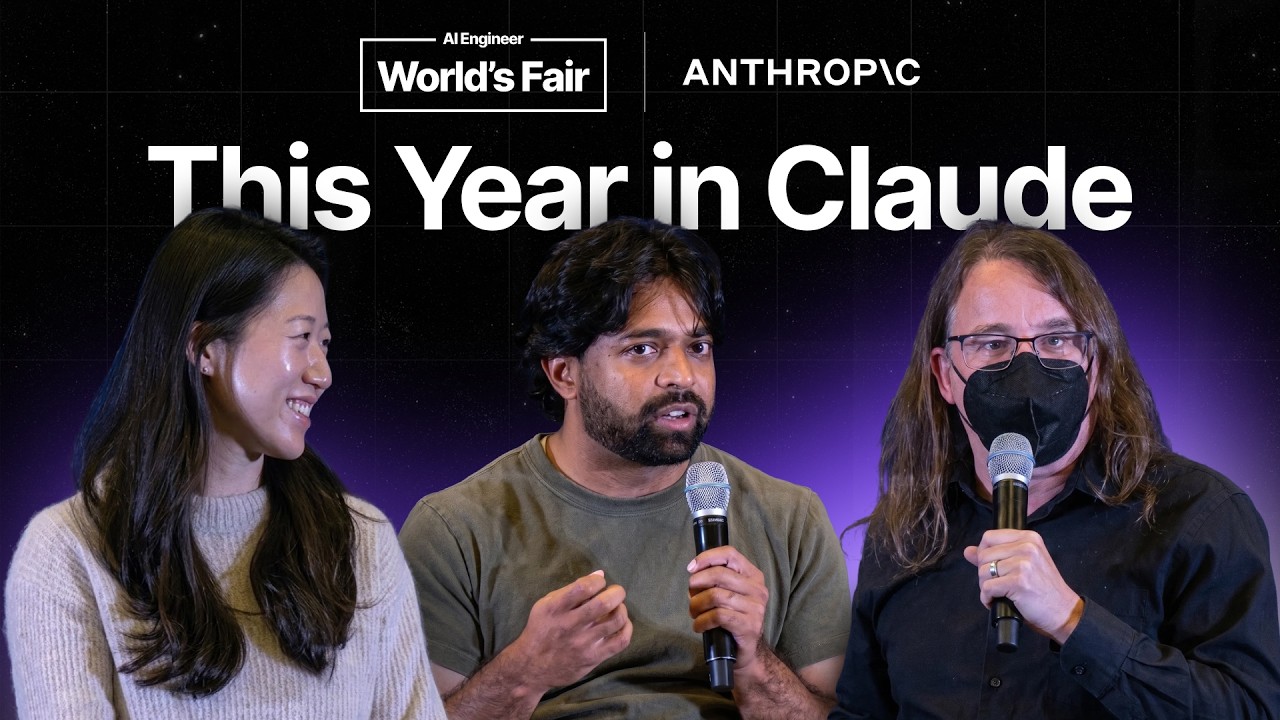
Anthropic launched Claude Tag, a Slack integration for collaborative coding, which is already generating 65% of the product engineering team's pull requests. The tool works proactively—monitoring bug reports and automatically generating fixes—rather than requiring manual invocation each time, and it retains team preferences across sessions.
Why it matters
Claude Tag signals a shift in how engineering teams operate when coding agents become reliable. Rather than individual developers iterating with Claude Code on complex tasks, teams can now delegate routine work (bug fixes, feature implementation) to agents working in shared channels, freeing engineers to focus on product strategy and business judgment instead of execution details.
What to watch
Anthropic uses an internal retention bar—only shipping features to the public after they demonstrate active use and retention within the company first. Claude Tag's 65% PR rate is for the product engineering team only; the company is still determining how broader teams (marketing, non-technical roles) will adopt the tool, though early use cases include searching company context and generating feature documentation.
Summaries like this, in your inbox every morning.
Claude Tag represents a maturation of coding-agent workflows from individual productivity tool to team infrastructure. The 65% PR rate for Anthropic's product engineering team suggests the tool has crossed a threshold where it handles routine work reliably enough to become the default for certain task categories. This aligns with a broader theme Anthropic is emphasizing: as the cost of building features drops dramatically—from "six to twelve months" to "maybe even a week"—the bottleneck shifts from execution to decision-making. Engineers now need stronger product judgment and business sense to choose what is worth building, rather than being constrained by implementation effort.
Anthropically's approach to feature validation—dogfooding internally first, setting a clear retention bar before public release—reflects a pragmatic approach to prioritization in this new environment. By sharing products "with everyone within Anthropic" and with early customers before broader release, the company gathers honest feedback and ensures features are polished enough to avoid user churn. This internal-first strategy also gives the team confidence in what they ship, because they have observed sustained use within their own product organization. The fact that Claude Tag is already landing two-thirds of PRs suggests the feature has achieved that retention threshold quickly.
For example, today's edition would include:
AI-summarized, only the topics you pick — one digest a day via Email, LINE, or Slack.
Free · 30 seconds with Google · unsubscribe anytimeWhat is AIToday? →
Ask AI anything about this article. Q&As are published on this page for other readers too.
China's internet regulator is reportedly investigating DeepSeek and Moonshot AI over allegations they routed m…
Anthropic shipped Claude Opus 5.5, the first model in its new Claude 5.5 family, pitched as Claude Fable 5.1-l…
Anthropic's Claude Opus 5.5 is in public preview on Snowflake Cortex AI, with same-day availability across CoC…
Greek PM Kyriakos Mitsotakis, speaking to about 250 founders, investors and operators at an Endeavor Greece ev…
Identity Digital spun out Known Systems AI Inc., based on its Innovation Labs unit and DNSid, a 'birth certifi…
Simon Willison announced he is hosting an evening event with Jesse Vincent in San Francisco on Wednesday 14th…