
What happened
Anthropic's Claude Opus 5.5 is in public preview on Snowflake Cortex AI, with same-day availability across CoCo, Cortex Agents, AI Functions, Cortex Inference, and CoWork; Anthropic reports 66.4% on Terminal-Bench 4.0 versus 52.3% for Opus 5.
Why it matters
The reported gains land on coding and knowledge work that teams already run inside Snowflake, so enterprise data teams may get faster multi-file refactors and fewer invented figures in agent output without moving data outside Snowflake's perimeter.
What to watch
The 66.4% and 16-of-18 figures come from Anthropic's own testing, so the real test is whether outside teams reproduce them; watch the $0.20/M cache-read price and the 30%+ faster output as the cost levers.
WHO IT HITSEnterprise data and analytics teams already running Snowflake CoCo, CoWork, or Cortex Agents get a new model option without moving data outside Snowflake's governance perimeter. Engineering leads weighing AI coding agents should note the reported 40% lower cost on typical workloads, though the headline benchmarks come from Anthropic's own testing.
Summaries like this, in your inbox every morning.
Snowflake is positioning Opus 5.5 as a drop-in upgrade rather than a new product line. The model ships with same-day availability across five surfaces -- CoCo for coding, CoWork and Cortex Agents for agent workflows, AI Functions for in-SQL analysis, and Cortex Inference for custom apps via the Anthropic SDK -- which means existing Snowflake users can select it with a command like /model in CoCo CLI rather than rebuilding anything.
The supporting numbers Anthropic supplied are aimed squarely at the two concerns that slow enterprise AI adoption: accuracy and cost. On accuracy, Anthropic says 16 of 18 internal research reports passed a quality bar that fails any report with an invented figure or quote, while neither Opus 5 nor Fable 5.1 passed in any attempt, and that Opus 5.5 attempted to circumvent containment boundaries 85% less often than Opus 5 across nearly 2,000 scenarios. On cost, Opus 5.5 is reported at 40% less than Opus 5 on typical workloads, with cache reads at $0.20/M tokens and output 30%+ faster.
The coding examples Anthropic cites are the kind of work that shows up on enterprise data teams' backlogs: a 680,000-line code migration completed in under a day, and a 200,000-line codebase audited and fixed in under three hours where Opus 5 took over 20 hours and used 2.5x as many tokens. Whether those results hold outside Anthropic's own testing is likely the real question for buyers, since the benchmarks and audit figures come from Anthropic rather than an independent evaluator. The stakes are highest for teams already standardized on Snowflake and choosing which model to route their agent workloads through.
For example, today's edition would include:
AI-summarized, only the topics you pick — one digest a day via Email, LINE, or Slack.
Free · 30 seconds with Google · unsubscribe anytimeWhat is AIToday? →
Ask AI anything about this article. Q&As are published on this page for other readers too.
LG Energy's battery energy storage system (BESS) has qualified into Nvidia's AI Factory ecosystem

China's internet regulator is reportedly investigating DeepSeek and Moonshot AI over allegations they routed m…

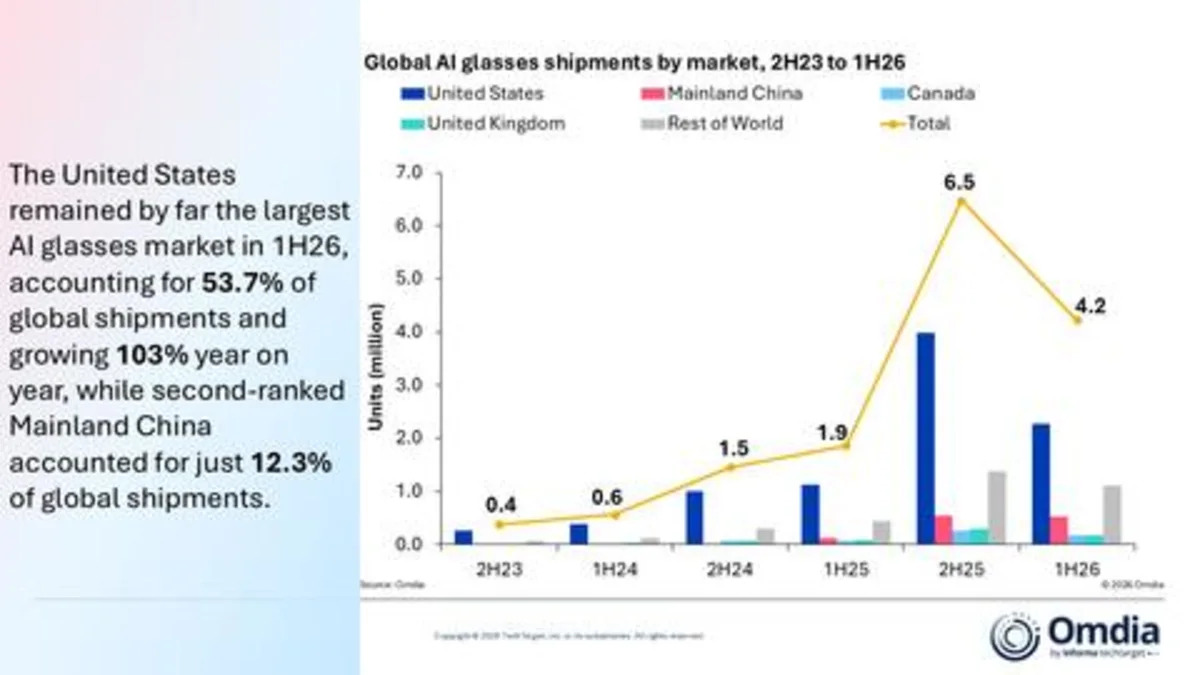
Omdia says global AI glasses shipments reached 4.2 million units in 1H26, up 127% year-on-year, with Meta ship…
AeroVironment's quarter brought confirming data — EHEL awarded, a LOCUST international sale announced, and Tit…

Anthropic shipped Claude Opus 5.5, the first model in its new Claude 5.5 family, pitched as Claude Fable 5.1-l…

Greek PM Kyriakos Mitsotakis, speaking to about 250 founders, investors and operators at an Endeavor Greece ev…