What happened
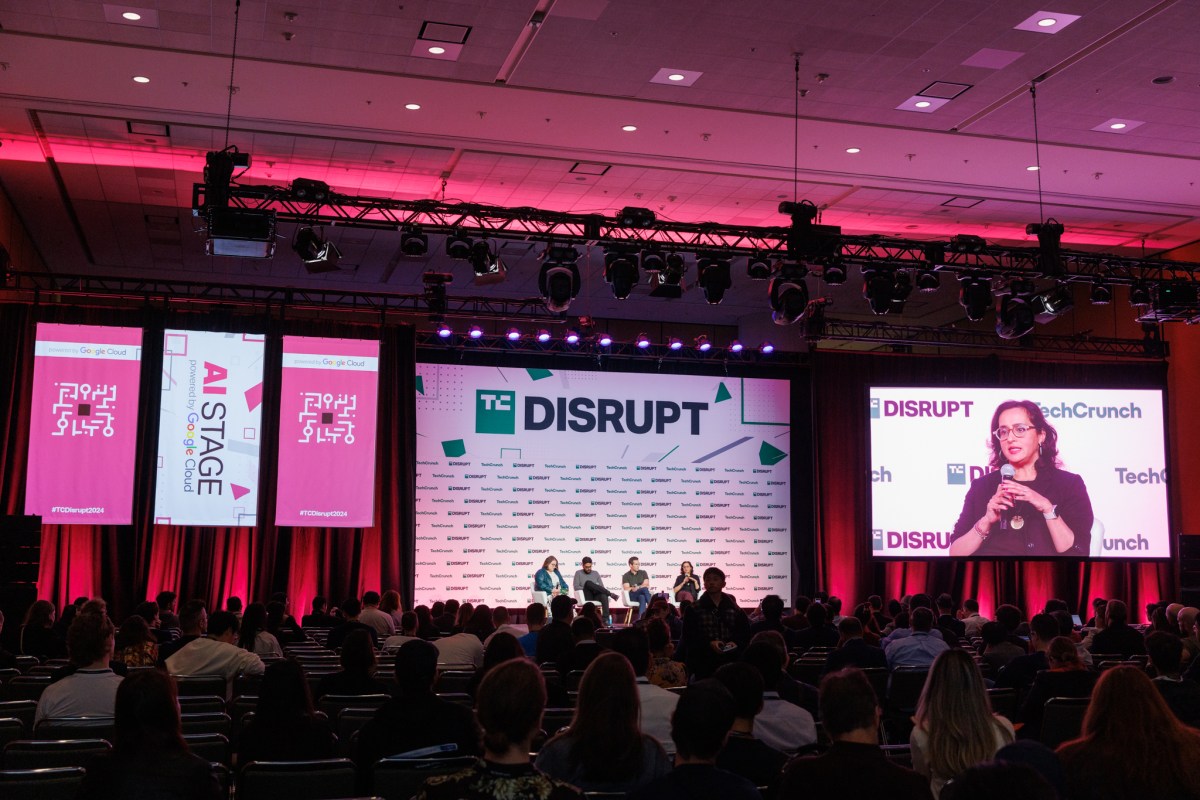
Nvidia Inception's Global Head of Physical AI, Les Karpas, will explain at TechCrunch Disrupt 2026 why general-purpose robots have no internet-wide dataset like the one OpenAI and Anthropic had for language.
Why it matters
Without that kind of dataset, general-purpose robots are still waiting for their breakthrough into day-to-day life, and a growing ecosystem of startups is trying to manufacture that scale artificially through simulation, synthetic data, and foundation models trained across many robot forms simultaneously.
What to watch
Whether bridging the digital and physical can be solved artificially is the test, and Karpas will be joined by founders from Shield AI, Colossal Biosciences, FieldAI, and Foxglove on the Real World AI Stage from October 13-15 at San Francisco's Moscone West.
WHO IT HITSRobotics founders and investors trying to close the physical-AI data gap, plus the teams at startups such as Shield AI, Colossal Biosciences, FieldAI, and Foxglove, will hear Nvidia's read on the bottleneck firsthand.
Ask the AI about this article →
Summaries like this, in your inbox every morning.
The comparison the article draws is between language AI and physical AI. ChatGPT's November 2022 debut showed what became possible once large language models were connected to a broad, internet-scale body of text. Robotics, by contrast, has been discussed, built upon, and in some ways adopted for a long time, but it has not had that kind of breakthrough.
The article points to a specific structural reason rather than a lack of effort. Self-driving fleets from Waymo and its competitors accumulated datasets over years of road miles, and those datasets are still expanding market by market. That route is not available to general-purpose robots, so a growing ecosystem of startups is attempting to manufacture scale artificially through simulation, synthetic data, and foundation models trained across many robot forms at once.
Karpas's position at Nvidia Inception means he regularly interfaces with the same companies trying to solve that data gap, and his background spans architect, manufacturing engineer, startup CEO, venture studio executive, and corporate venture capitalist roles. His session sits alongside founders from Shield AI, Colossal Biosciences, FieldAI, and Foxglove, suggesting the conversation will be less about a single fix and more about whether artificial data can substitute for real-world scale.
For example, today's edition would include:
AI-summarized, only the topics you pick — one digest a day via Email, Slack, or Discord.
Free · 30 seconds with Google · unsubscribe anytimeWhat is AIToday? →
Ask AI anything about this article. Q&As are published on this page for other readers too.
Palo Alto Networks' Leeor Piazza said an AI agent scanned the internet, found a public API endpoint, then move…
Mozilla and Mistral launched Firefox Smart Window (beta), an AI assistant that helps with complex searches, re…
TypeSafe AI introduced Jev, a classification-only model that scores developer-defined options instead of gener…
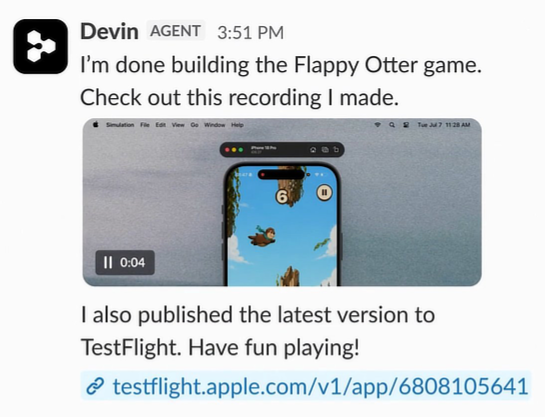
Cognition's Devin began offering macOS inside its hosted virtual environment on September 15, 2026, joining th…
Anthropic's Chris Cronbaugh told Sleuthcon that after a prepaid account sent over 100,000 API requests a day t…

AWS published benchmark results for Amazon Bedrock AgentCore's prompt optimizer