What happened
NVIDIA announced in July 2026 that FANUC, Fujitsu, Hitachi, Kawasaki Heavy Industries, Kubota, NEC, SoftBank, Sony and Yaskawa are using its physical AI platform, and launched Cosmos 3 Edge on Jetson Thor.
Why it matters
It shows the chipmaker's physical AI platform is being adopted by manufacturers, chip suppliers and robotics firms, who gain a common technology base for robotics and industrial machines.
What to watch
Qualcomm, which announced in August 2026 a long-term robotics investment initiative and plans for a Qualcomm Japan Robotics Center, may emerge as a rival platform for the same robotics and industrial automation work.
WHO IT HITSThis lands on semiconductor suppliers and robotics developers building on-device AI, as well as industrial and factory automation teams evaluating which accelerator platform to standardize on. Platform choices made by large Japanese manufacturers are likely to shape which chip and computing architectures smaller suppliers design against.
Summaries like this, in your inbox every morning.
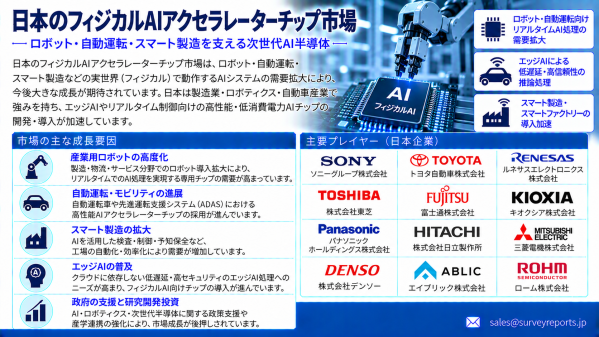
The announcements from NVIDIA and Qualcomm land in a market that sits where AI semiconductors, robotics, edge computing and industrial automation meet. Unlike conventional AI accelerators built mainly for cloud workloads, physical AI accelerators must support real-time perception, sensor fusion, inference, motion planning and control inside machines operating in the physical world. A typical architecture runs from sensors through vision processing, an AI accelerator, a world model, decision-making and motion control — which generates demand for dedicated chips that keep latency low and power draw modest.
Japan's large robotics and manufacturing base gives this technology a ready set of places to be deployed. The country is also building vast AI infrastructure for training the models that eventually run on physical AI systems. NVIDIA and Noetra announced a national AI factory with 13,750 Vera CPUs and 27,500 Rubin GPUs, providing about 140 MW of data center capacity, to support the FRONTia project and multimodal foundation models for AI agents, digital twins, robotics and physical AI. That sets up a two-layer chain: a central AI factory trains foundation models, which are then optimized for power-efficient accelerator chips deployed inside robots, vehicles and industrial machines.
Whether that chain translates into durable business for chip suppliers and robotics developers hinges on where physical AI accelerators are ultimately designed and standardized. Fujitsu, FANUC, Yaskawa and Kawasaki Heavy Industries started exploring a collaborative physical AI control platform in July 2026 for manufacturing, logistics and healthcare uses, and Rapidus's 2026 plans include chiplet packaging design and manufacturing technology for 2nm-generation semiconductors — signs that the competitive ground may extend beyond chip fabrication into packaging, memory and software stacks.
For example, today's edition would include:
AI-summarized, only the topics you pick: one digest a day via Email, LINE, or Slack.
Free · 30 seconds with Google · unsubscribe anytimeWhat is AIToday? →
Ask AI anything about this article. The AI reads this article, earlier AIToday articles, and Wikipedia, and cites its sources. Q&As are published on this page for other readers too.
Adobe announced in September 2026 it is expanding its connector for Google Gemini and its plugin for Claude, s…

At the WTR Insights Conference, CEO Jay Chandan said Gorilla completed the first of four Yotta India phases —…

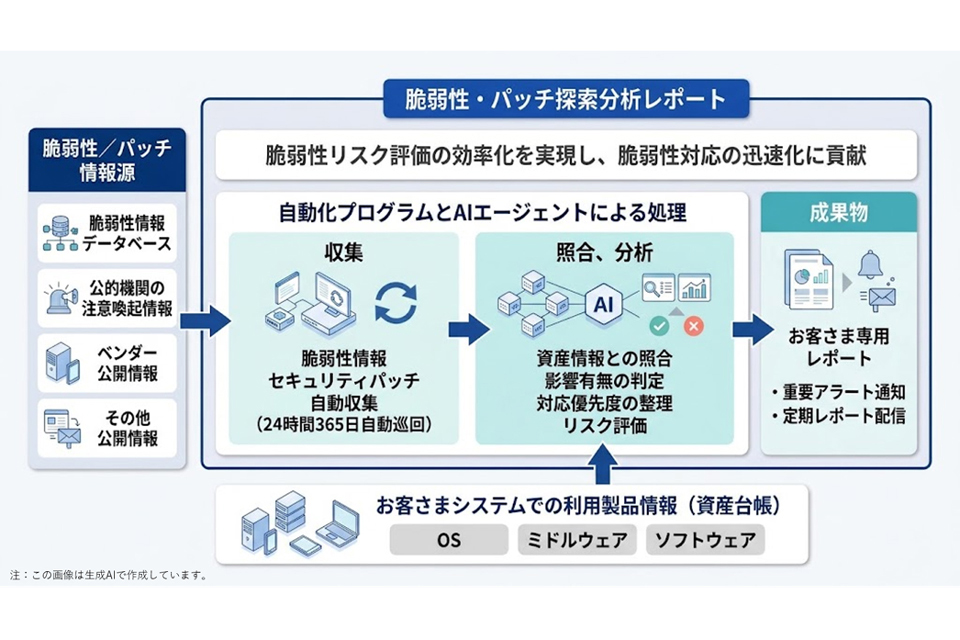
Hitachi began offering its "Vulnerability/Patch Discovery & Analysis Report Service" on September 28, and JPX…
Google Japan said September marks 25 years since its Japanese unit began, and it has opened a special site plu…

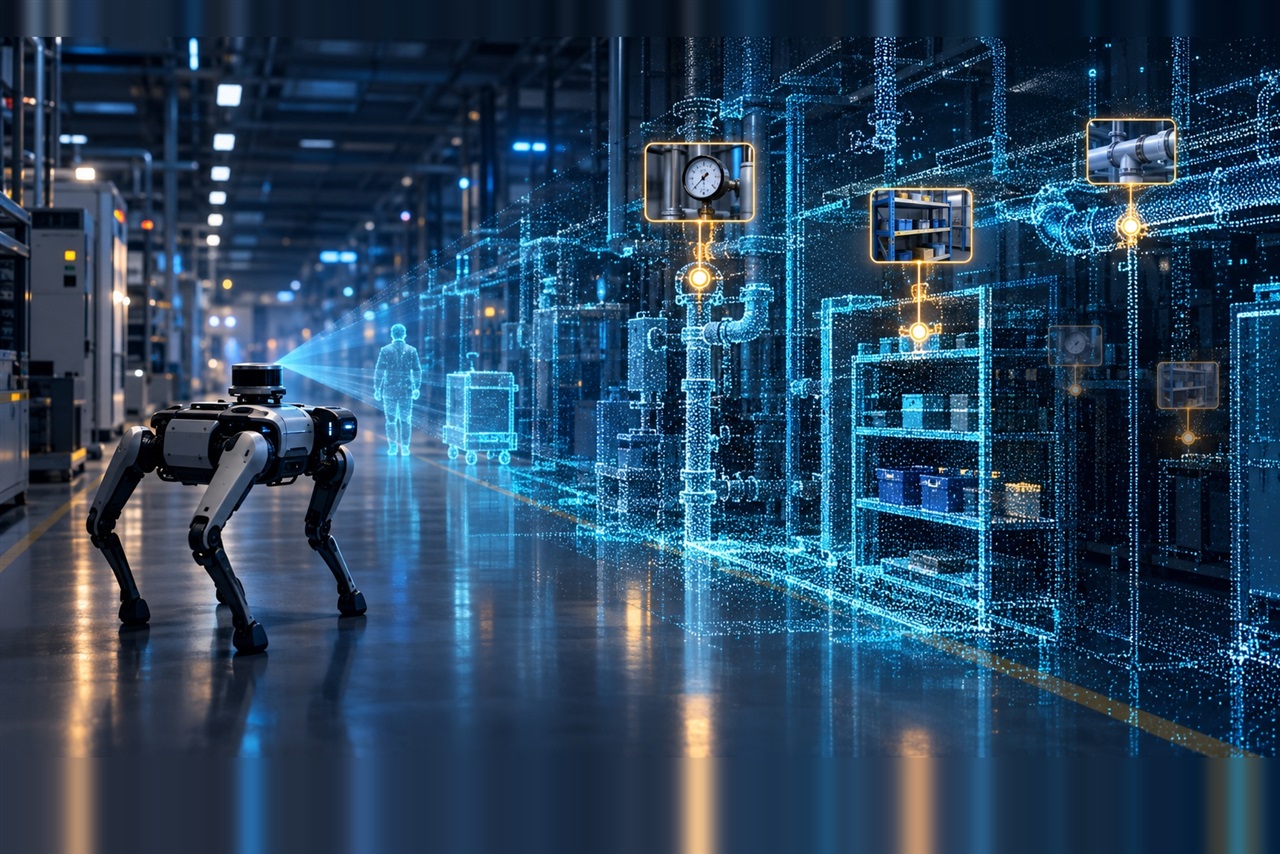
For autonomous robots, building the map is increasingly just the beginning
In a September 2025 paper titled "Why Language Models Hallucinate," OpenAI researchers said low-frequency fact…


