What happened
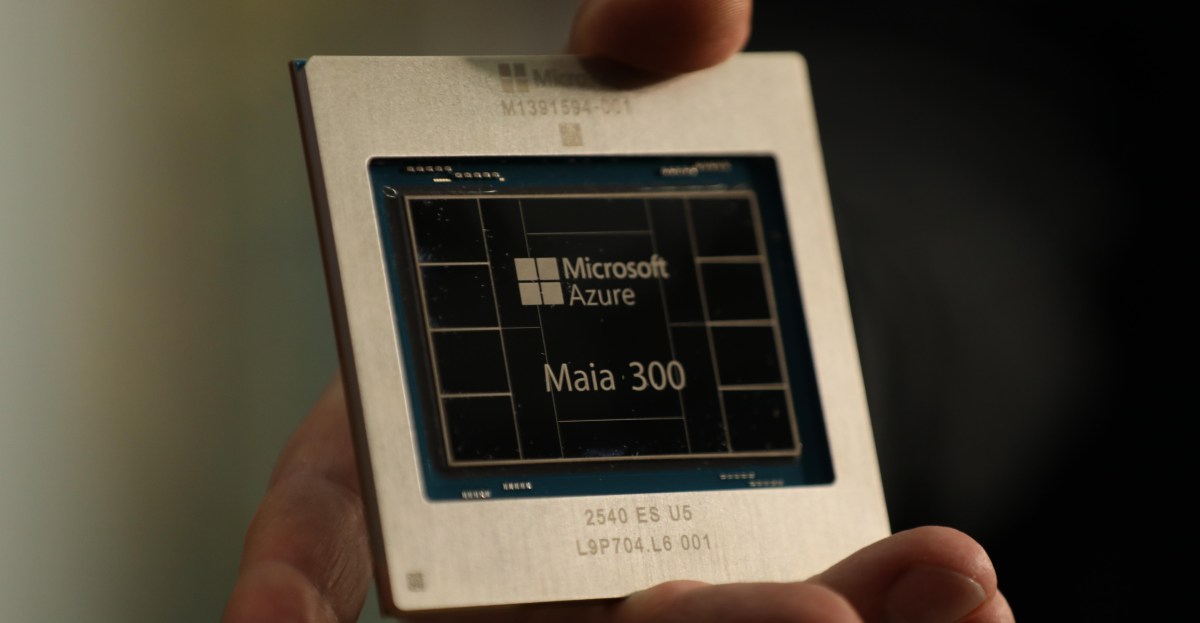
Microsoft will deploy its Azure Maia AI chips at multi-gigawatt scale starting in 2027, making them the company's main inference system across its products, executive Scott Guthrie writes.
Why it matters
The chips are replacing outside hardware as Microsoft's main way to run AI answers, with CEO Satya Nadella calling it the company's biggest bet yet on its own silicon.
WHO IT HITSThis lands on cloud infrastructure and procurement teams that plan AI capacity: Microsoft's own chips become the default for serving AI answers from 2027, with an in-house option rated for more tokens per watt than leading GPUs.
Summaries like this, in your inbox every morning.
Microsoft's Maia program is moving from a supporting role to the center of how the company serves AI answers. According to executive Scott Guthrie, the Azure Maia chips will become the company's main inference system at multi-gigawatt scale starting in 2027, a shift from today's mix.
The current Maia 200 already runs Microsoft Copilot in the US, Europe, and Australia, with GitHub Copilot and Foundry following by year's end, so the installed base and software support exist before the larger deployment. Microsoft also says Maia 200 handles OpenAI, MAI, and open-source models and pushes up to 1.7 times more tokens per watt than leading GPUs in Teams, which suggests the company has been testing the chips on real workloads.
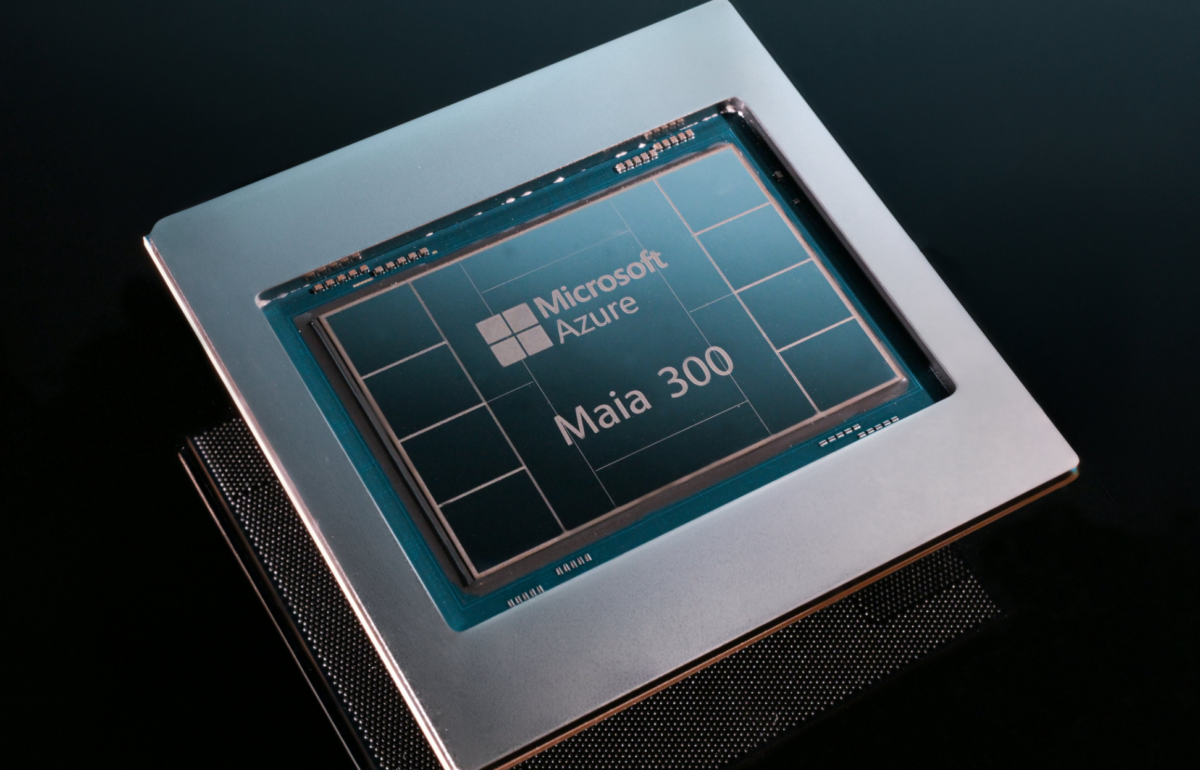
The next chip, Maia 300, is where the economics get more ambitious. Microsoft claims it offers 40 percent more tokens per megawatt than leading GPU systems and that a 96-chip rack should produce up to seven times the tokens of a Maia 200 rack. Each chip carries eight HBM4 memory stacks totaling 288 GB with 18 TB/s of bandwidth and is rated at 950 watts. With the technical report out and more detail promised in November at Ignite 2026, the direction is clear: Microsoft intends its own silicon, not purchased GPUs, to carry the bulk of its AI serving load.
Pick your industry and the AI tools you use, and get news related to your work every day.
Free · 30 seconds with Google · unsubscribe anytimeWhat is AIToday? →
Ask AI anything about this article. The AI reads this article, earlier AIToday articles, and Wikipedia, and cites its sources. Q&As are published on this page for other readers too.
Phasis CEO Brandon Farley said the company's World API and its '/orient' endpoint return World frames — curren…
Microsoft CEO Satya Nadella published an essay on Oct
Two days after President Trump signed the White House Accord on Super Intelligence, OpenAI fired three safety…

Tsinghua University published TokenRouter on October 8, 2026 as an inference server that lets small and large…

AI Now laid out three do-it-yourself routes — chat-type skills in Gemini or Claude, automation-type flows in n…

Microsoft announced Maia 300, its third-generation in-house AI chip, designed to be the "primary AI inference…