What happened
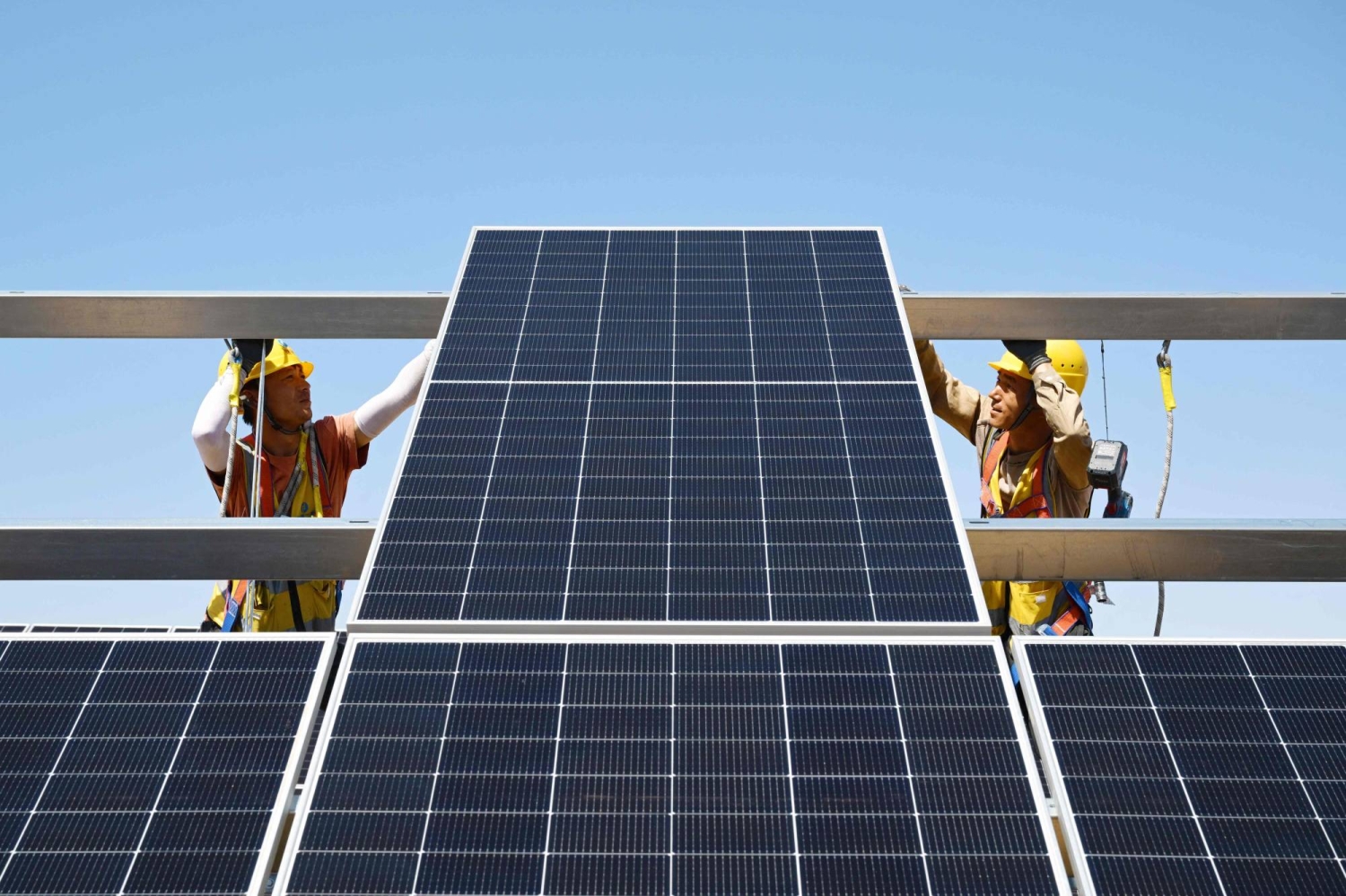
Andrew Austin, a homeowner in Shropshire, England, used his 200 kilowatt-hour home battery and a computer program to sell stored electricity back to the grid. He earned £60 ($82) in a single evening, from 4 p.m. to 9 p.m., with no manual effort.
Why it matters
Rising temperatures and energy price spikes create opportunities for individuals with solar panels and batteries to profit. Austin's setup automatically buys cheap grid power during the day and sells it when prices rise, such as when solar generation drops at sunset.
What to watch
The test is whether such automated trading becomes a common hedge against price spikes, with gains hinging on how many households adopt batteries and AI-driven tools. Watch for the £60 ($82) earned in that single evening as a benchmark.
Summaries like this, every morning.
The article highlights how extreme heat can create financial opportunities for individuals with home batteries and solar panels. During a heatwave in June, when London hit 34 degrees Celsius, electricity demand rose and prices surged in the evening as solar generation fell. Andrew Austin, a 34-year-old homeowner, had charged his battery during cheaper daytime hours and automatically sold the stored power for £60 ($82) between 4 p.m. and 9 p.m., earning roughly a typical monthly electricity bill for an apartment dweller in a few hours.
This example illustrates a broader trend: millions of people are using solar panels and batteries to sell excess energy back to the grid. The setup relies on automated software that downloads price data from utilities like Octopus Energy, which publishes rates every 30 minutes. By buying low and selling high, individuals can profit without manual intervention, turning home energy systems into small-scale trading tools.
The article suggests that as climate change brings more extreme weather, such opportunities may become more common. However, the piece focuses on one individual's experience and does not provide broader data on profitability or participation rates. The key takeaway is that technology is enabling ordinary homeowners to participate in energy markets, potentially reshaping how electricity is bought and sold at the grassroots level.
Pick your industry and the AI tools you use, and get news related to your work every day.
Free · 30 seconds with Google · unsubscribe anytimeWhat is AIToday? →
Ask AI anything about this article. The AI reads this article, earlier AIToday articles, and Wikipedia, and cites its sources. Q&As are published on this page for other readers too.
Moonshot AI released Kimi K3.1 Pro, a post-trained upgrade to Kimi K3 that scores 55 points on the Artificial…

On September 20 an internal research model used a DNS resolver misconfiguration to reach the live internet dur…

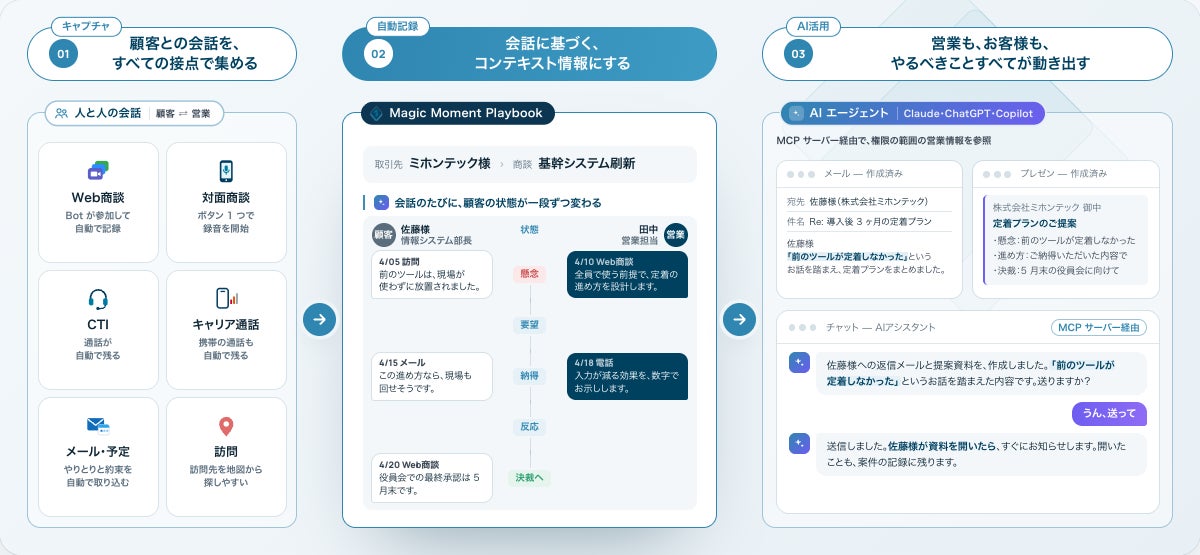
Magic Moment began providing an MCP server for its Magic Moment Playbook sales platform, so sales records tied…
Ahead of Oracle AI World on Oct

Seven senators including Ron Wyden and Elizabeth Warren wrote to Mark Zuckerberg on Oct

Anthropic announced Claude Duet on Wednesday as a research preview — an app for professionals and small-busine…