AIToday
Open-Source AIAI Business & IndustryFortune AIPublished: Aug 11, 2026, 04:00 JST5 min read

Meta opens advanced AI weights to counter Chinese rivals, Zuckerberg pushes U.S. policy shift

Meta opens advanced AI weights to counter Chinese rivals, Zuckerberg pushes U.S. policy shift

Key takeaway

  • Meta released Muse Glimmer, open-source AI models runnable on a laptop, and announced it will open the weights of Muse Spark 1.2, its most advanced model.

  • CEO Mark Zuckerberg published a major essay arguing that American open-source AI must compete globally against Chinese rivals like DeepSeek and Moonshot, and called on Washington to reduce barriers for U.S. AI developers.

  • The move represents Meta's effort to differentiate itself from closed-source competitors and reassure investors of its competitiveness in frontier AI.

3 Key Points

  1. What happened

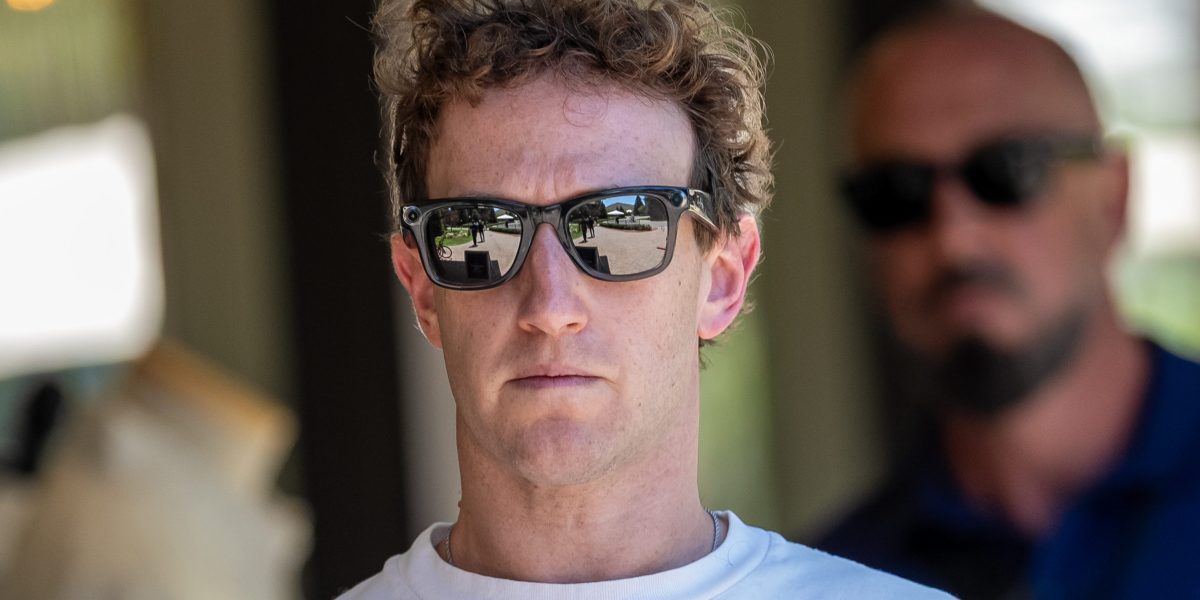
    Meta launched Muse Glimmer, a family of open-source AI models designed to run on a laptop, on Monday, and announced plans to open the weights for Muse Spark 1.2—its most advanced model—allowing anyone to download, inspect, and modify it. Mark Zuckerberg published a 6,500-word essay arguing that powerful AI should not be controlled by a handful of companies and urging Washington to support American open-source efforts.

  2. Why it matters

    Zuckerberg frames open-source AI as critical to challenging Chinese models from DeepSeek and Moonshot that have been closing the gap with American competitors. By releasing Muse Spark 1.2's weights publicly, Meta aims to differentiate itself from rivals like OpenAI and Anthropic, which keep their most advanced models behind closed doors. The move also signals an attempt to regain momentum after recent Meta models fell short of systems from OpenAI and Anthropic.

  3. What to watch

    Meta trained the Glimmer series using distillation, a process where a smaller model learns from Muse Spark, its larger proprietary system. The company is positioning the Muse family as the foundation for a more capable Meta AI assistant across Facebook, Instagram, WhatsApp, and its Ray-Ban Meta AI glasses.

In Depth

Read the full story

Meta announced the launch of Muse Glimmer on Monday, a family of open-source AI models engineered to run on a laptop, marking an intensified commitment to open-source development in the face of both competitive and geopolitical pressures. Alongside this release, the company pledged to open the weights of Muse Spark 1.2, its most advanced model available on the market. Opening the weights means Meta will publicly release the underlying trained parameters, allowing anyone to download, inspect, and modify the model rather than restricting access through Meta's own products or API.

Mark Zuckerberg accompanied the launch with a 6,500-word essay making the case for American open-source AI dominance. In that essay, he argued that powerful AI should not be controlled by a handful of companies—an implicit critique of closed-source competitors like OpenAI and Anthropic. Zuckerberg positioned Meta's open-source commitment as critical to challenging Chinese open-source models from DeepSeek and Moonshot, which he described as getting "uncomfortably close to the American frontier." He wrote: "I do not believe restricting access to foreign open source models is an effective solution. Our goal should be for American open source models to be the best globally. This requires removing the hurdles that make it harder for American open source models to compete." Zuckerberg also urged Washington to support American efforts and argued that American AI developers face disadvantages against Chinese rivals, including in training data.

This announcement is part of a coordinated media strategy by Meta that has included a Zuckerberg-penned opinion piece in the Wall Street Journal on the same themes published last month, along with interviews with select media outlets. The timing reflects both competitive and strategic calculations. Meta initially differentiated itself through open-source when it launched the Llama family in February 2023, which helped the company build influence across the AI ecosystem even as competitors like OpenAI and Anthropic captured more revenue by keeping their models proprietary. Over the past year, however, Meta's commitment to open-source has become less consistent, mixing open releases with proprietary ones. The current pivot back to openness appears designed to regain momentum after recent Meta models have fallen short of systems from OpenAI and Anthropic, and to reassure investors of the company's competitive position.

Meta trained the Glimmer series using distillation, a technique in which smaller models learn from Muse Spark, Meta's larger proprietary system. The company is positioning the Muse family as foundational infrastructure for a more capable Meta AI assistant that will run across Facebook, Instagram, WhatsApp, and its Ray-Ban Meta AI glasses, while also competing directly with models from Anthropic and OpenAI. By coupling product releases with policy advocacy, Meta is attempting to establish both technical and political differentiation in an increasingly contested AI landscape.

Context & Analysis

Meta's move to open-source Muse Spark 1.2 marks a strategic pivot in how the company positions itself within a market increasingly dominated by closed-source AI leaders. OpenAI, Anthropic, and Google have built dominant market positions by keeping their most advanced models proprietary, controlling both access and the underlying weights. Meta initially differentiated itself by embracing open-source, launching the Llama family in February 2023, which helped it gain influence over the wider AI ecosystem even as competitors captured more revenue. However, over the past year, Meta's commitment to open-weight release has blurred as the company mixed open and proprietary releases. The new strategy appears to be an attempt to reclaim that differentiation and address investor concerns about competitiveness.

Zuckerberg's framing of open-source as a counter to Chinese rivals reflects broader geopolitical and competitive anxieties. By positioning DeepSeek and Moonshot as threats that are closing the gap with American systems, he makes a political case for supporting American open-source development—one that extends beyond Meta's own interests. His argument that American AI developers face structural disadvantages (including in training data) and that policy should remove barriers suggests Meta is seeking not only product differentiation but also government support and policy tailwinds. This coordinated media blitz, including the 6,500-word essay and a Wall Street Journal opinion piece, underscores Meta's effort to shape the narrative around American AI leadership.

FAQ

What does it mean that Meta is 'opening the weights' for Muse Spark 1.2?
Opening the weights means Meta will publicly release the underlying trained parameters of the model, letting anyone download, inspect, and modify it rather than access it only through Meta's own products or API.
Why is Zuckerberg framing this as a response to China?
Zuckerberg argues that Chinese open-source models from DeepSeek and Moonshot have been getting uncomfortably close to the American frontier, and he contends that American open-source models should be the best globally. He also argues that American AI developers face disadvantages against Chinese rivals, including in training data, and called for policy to reduce those barriers.
How do Muse Glimmer models differ from Muse Spark?
Muse Glimmer is a family of open-source models designed to run on a laptop, trained using distillation—a process in which a smaller model learns from Muse Spark, Meta's larger proprietary system.

Get the latest Open-Source AI news every morning

AI-summarized, only the topics you pick — one digest a day via Email, Slack, or Discord.

Free · takes 30 seconds · unsubscribe anytime

Ask AI

Ask AI anything about this article. Q&As are published on this page for other readers too.

Related Articles

Next articleSnowflake cuts contract review time 70% with AI agent

The AI news that matters, in one minute each morning.

Sign up free