What happened
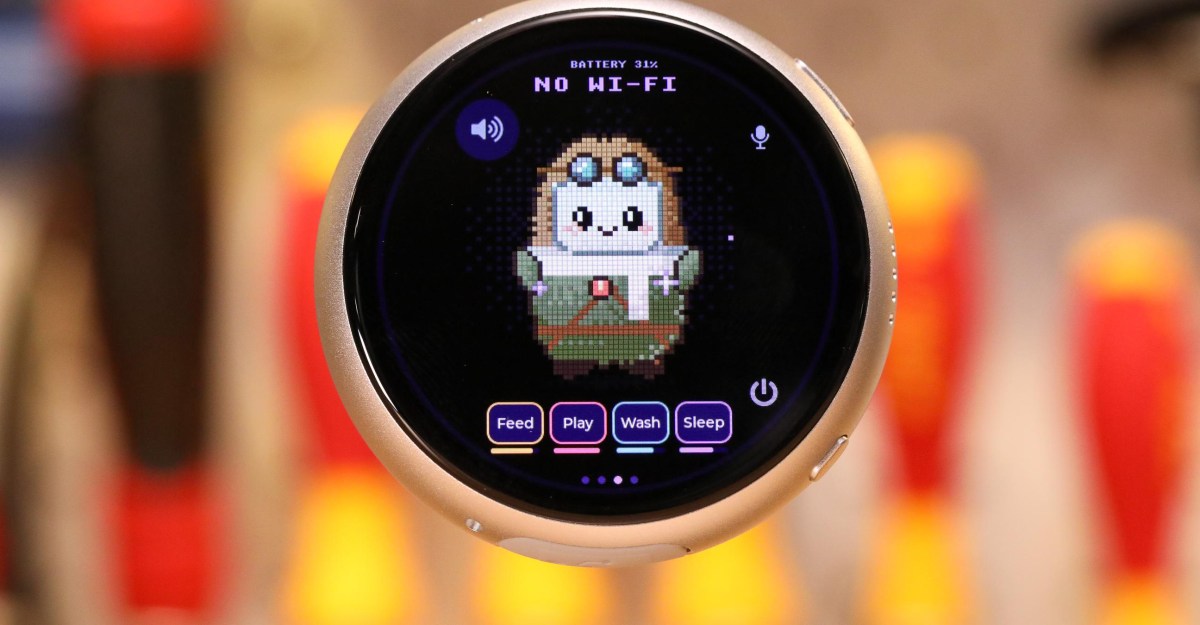
Sean Hollister paid $50 for a Waveshare ESP32-S3 1.75C, a Meta-sanctioned Muse Gadget devkit, then used Claude Code to add conversation history, ElevenLabs voice replies, and a Tamagotchi-style pet game.
Why it matters
Out of the box the pendant needed Meta's keys and still misread commands, so its appeal may rest on how freely owners can reprogram it rather than on Muse itself, Hollister argues.
Summaries like this, every morning.
Meta has positioned its Muse Charm as a cute, carryable AI companion, and its open-source code and tokens let outsiders build 'Muse Gadget' devices. The Verge's experiment tests what that openness actually delivers: the sanctioned Waveshare devkit paired easily with Meta's GitHub and the Muse phone app, but Meta's own build still misread commands, answered slowly, and showed only a few words onscreen.
The gap was closed not by Meta but by Claude Code, which added a readable conversation history, an ElevenLabs voice, a remote camera viewfinder, and a layered Tamagotchi-style pet game. Hollister is candid that he cannot judge the code's quality, and he kept the pendant on guest Wi-Fi after hearing how Meta's Muse agent leaked one reviewer's home address.
That leaves an open question about the retail Muse Charm: if the fun comes from reprogramming the hardware, buyers who want a finished product may be disappointed, while tinkerers might prefer a devkit. Hollister notes the real Charm had not shipped at the time of writing.
Pick your industry and the AI tools you use, and get news related to your work every day.
Free · 30 seconds with Google · unsubscribe anytimeWhat is AIToday? →
Ask AI anything about this article. The AI reads this article, earlier AIToday articles, and Wikipedia, and cites its sources. Q&As are published on this page for other readers too.
A Dell Technologies survey of 2,950 business and IT decision-makers in 35 countries found 58% of Japanese comp…
CData's guide walks through creating a SELECT-only Snowflake role called claude_role, setting up an OAuth secu…
Oracle announced on Oct 28, 2026 an expanded partnership with OpenAI and a new product lineup spanning four ar…

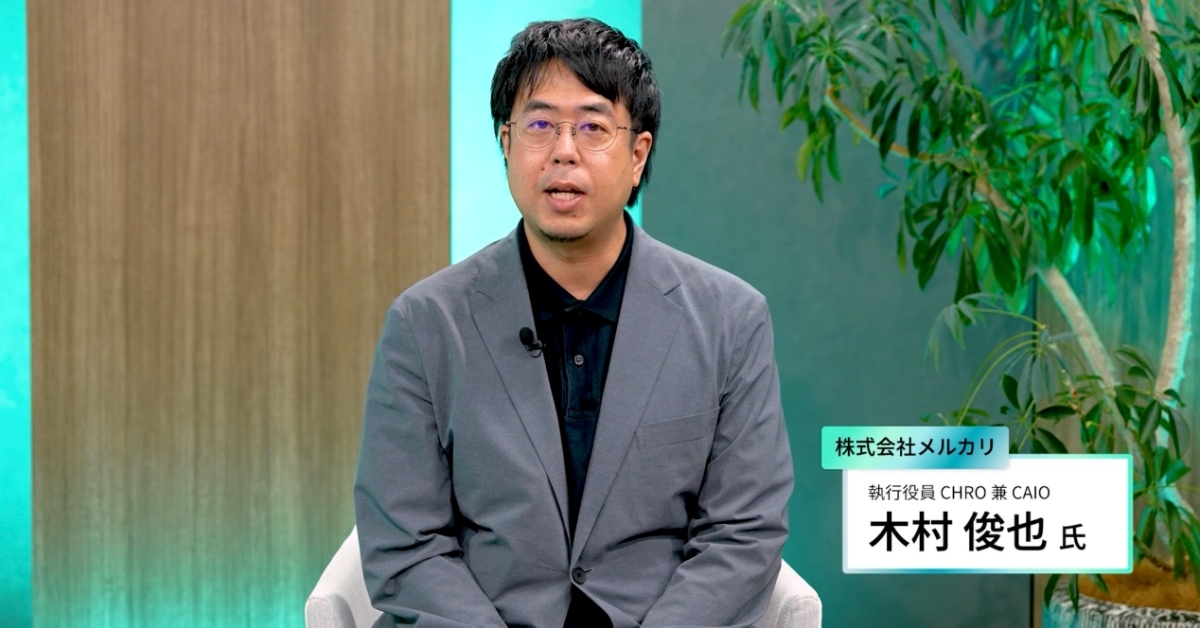
Mercari's fiscal 2026 June-period earnings material shows all employees were using AI tools by the end of Janu…
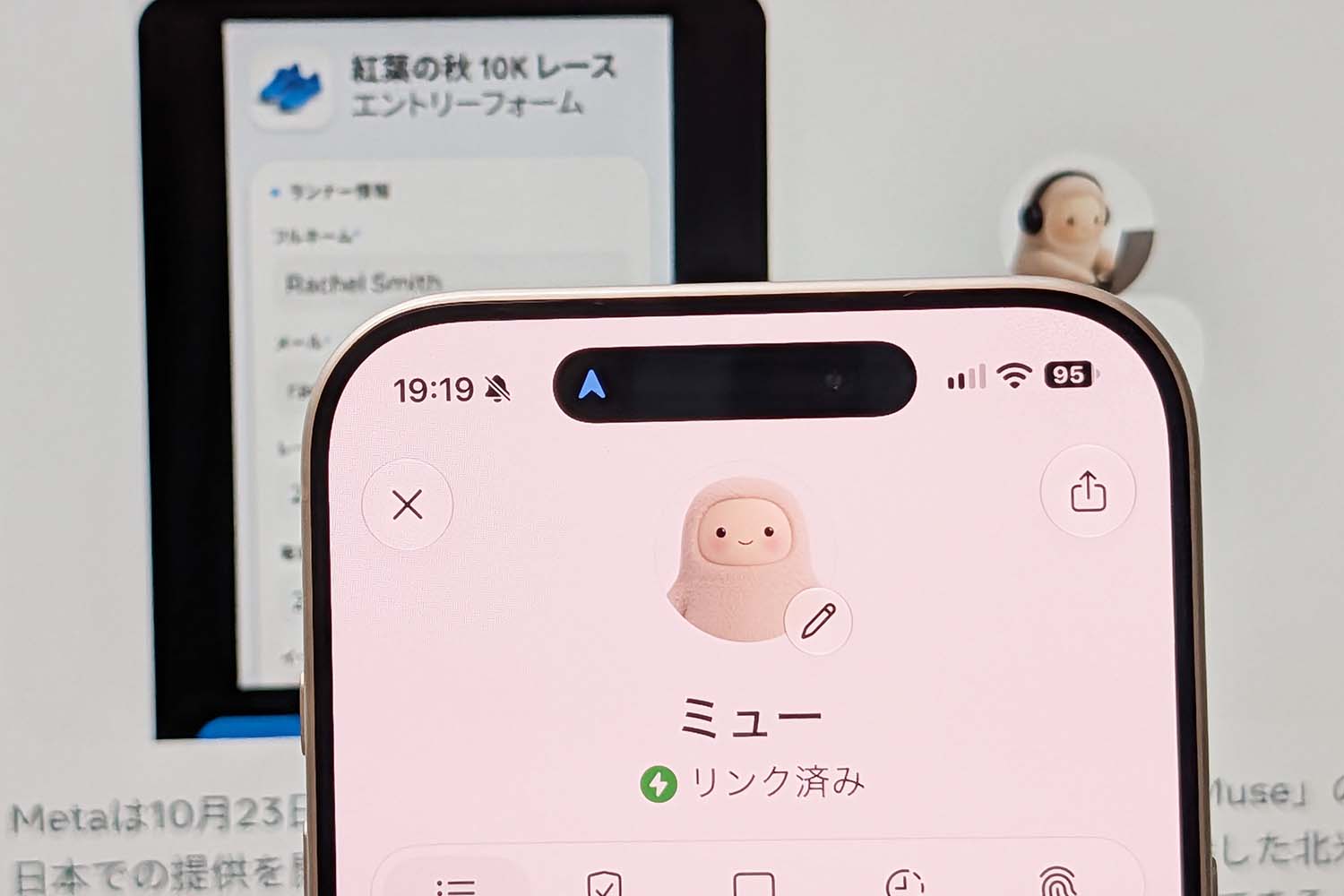
Meta's personal AI agent Muse started in Japan on October 23, and unlike text generators it can operate websit…
Flamerix AI analyzed OpenTelemetry exports and found Claude Code's agent summary feature consumes roughly 15-2…