
What happened
Two OpenAI managers published an essay arguing AI will reorganize firms in three ways — a new AI labor layer beneath every worker, AI alongside human teams, and AI placed between executives and staff.
Why it matters
They argue adoption may start at the bottom, since employees who know the work can best direct AI, potentially changing what entry-level jobs look like.
Summaries like this, every morning.
The essay is the second in a series on the next economy, hosted on an OpenAI platform for independent voices, and the authors are explicit that it reflects their views, not those of OpenAI or their colleagues. Their starting point is personal: both were twenty-four when they began managing their own teams at OpenAI, and they describe entering the workforce already with AI "employees" at their behest — deputies that work day and night and handle grunt work.
The authors frame the transition as a race between earlier, less capable AI implementations and later, more capable models. Their central asymmetry is that although broader-scope AI is harder to build, it is easier for firms to adopt, because an end-to-end automated team can be handed directly to an executive, while a narrower tool requires widespread buy-in and retraining. They contrast this with how labor works: firms must learn new technologies, but labor learns the firm and can onboard itself.
Beyond the org-chart scenarios, the essay ties the shift to red tape and worker agency. Because AI is collapsing the cost of building, the authors expect firms to aim less and fire more, favoring quick prototypes over planning-intensive sign-off. They also suggest that if AI offers excellent advice to all workers, the decision-making gap between managers and junior staff could shrink — though they note the same technology could enforce larger spools of red tape.
Pick your industry and the AI tools you use, and get news related to your work every day.
Free · 30 seconds with Google · unsubscribe anytimeWhat is AIToday? →
Ask AI anything about this article. The AI reads this article, earlier AIToday articles, and Wikipedia, and cites its sources. Q&As are published on this page for other readers too.
At the Android Dev Summit, Google launched Android Studio Rabbit 2 with a 'Bring Your Own Agent' feature

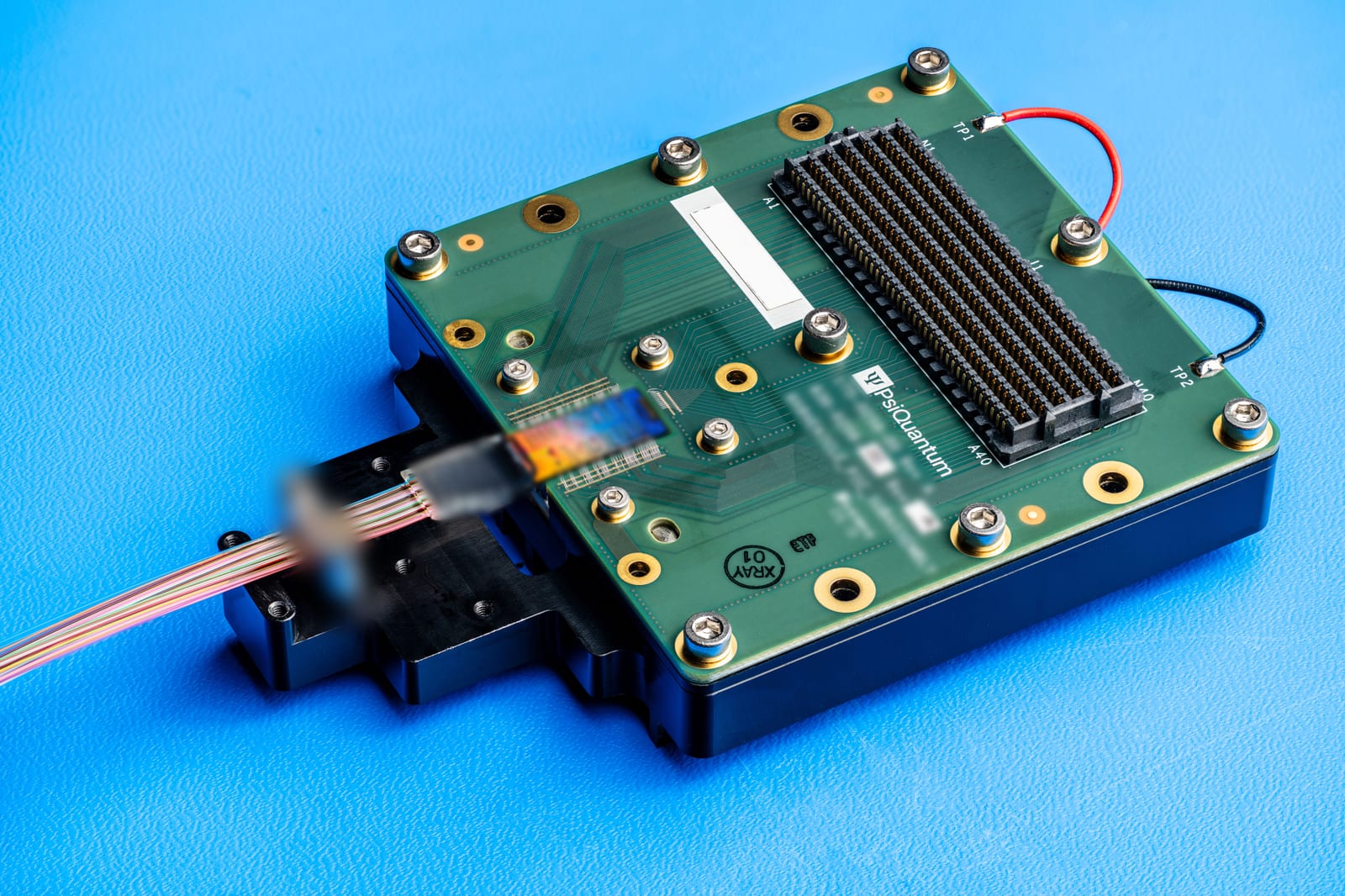
PsiQuantum announced a new device that routes data between GPUs without converting photons into electrical sig…
Broadcom rose 4.2% after announcing a $63 billion financing deal where several Wall Street firms will help Ant…

LangChain laid out a four-level loop stack for agents — the core agent loop, a verification loop with graders…
Asked who won recent US presidential elections, Google's AI Mode gave only outside links rather than a direct…

Will Knight fed Codex research papers and had it build a harness of news-reading, results-analyzing, model-run…