
What happened
Anthropic released Claude Fable (and Mythos) 5.1 on September 1st, 2026. In a test, the model's 'max' reasoning setting produced the best AI-generated pelican image the author has seen from Anthropic, at a cost of $3.30 and 13 minutes 54 seconds of processing.
Why it matters
The model scored 52.6% on the new Terminal-Bench-Science 0.1 benchmark, up from 24.7% for Fable 5, 29.0% for Opus 5, and 22.4% for GPT-5.6 Sol. However, the author notes that at lower reasoning settings ('low' and 'medium'), the model appeared to skip reasoning entirely for the pelican prompt, costing around 10 cents.
What to watch
The 'max' reasoning level produced 65,927 output tokens and a detailed reasoning trace, leading to a pelican with a blue hat and a basket with a fish. When this output was animated with another prompt, it cost $1.37 and produced a video where the wheels rotated correctly in the original SVG.
Summaries like this, every morning.
The release of Claude Fable 5.1 is highlighted by a significant jump on a brand-new scientific benchmark, Terminal-Bench-Science 0.1, where it scored 52.6% compared to 24.7% for its predecessor. This suggests a notable improvement in handling scientific research tasks, a key area for Anthropic's marketing.
However, the author's hands-on testing reveals a more nuanced story about the model's reasoning capabilities. The cost and time for generating a simple SVG varied dramatically with the reasoning effort setting, from about 10 cents and 24 seconds at 'low' to $3.30 and nearly 14 minutes at 'max'. Intriguingly, the lower efforts seemed to bypass reasoning entirely for this task.
The 'max' setting's lengthy reasoning trace shows the model engaging in detailed, deliberate planning, from checking visual collisions to fixing a bicycle fork's curve. This suggests that for complex, iterative tasks, the higher cost tiers provide a genuinely different and more capable mode of operation, though the author notes it still lacks the creative flair of a competing model like Gemini 3.7 Flash.
Pick your industry and the AI tools you use, and get news related to your work every day.
Free · 30 seconds with Google · unsubscribe anytimeWhat is AIToday? →
Ask AI anything about this article. The AI reads this article, earlier AIToday articles, and Wikipedia, and cites its sources. Q&As are published on this page for other readers too.
Warp Sciences, an AI-and-robot chemistry CRO led by ex-OpenAI product chief Kevin Weil, launched on the 22nd w…
EXCEED Energy began developing and managing AI data centers in Japan, and has started talks with overseas inve…

OpenAI is closing in on a round of up to $30 billion led by UAE investors and investment firm Coatue, after dr…

Samsung Electro-Mechanics (Semco) is gaining pricing power as AI server demand extends multilayer ceramic capa…
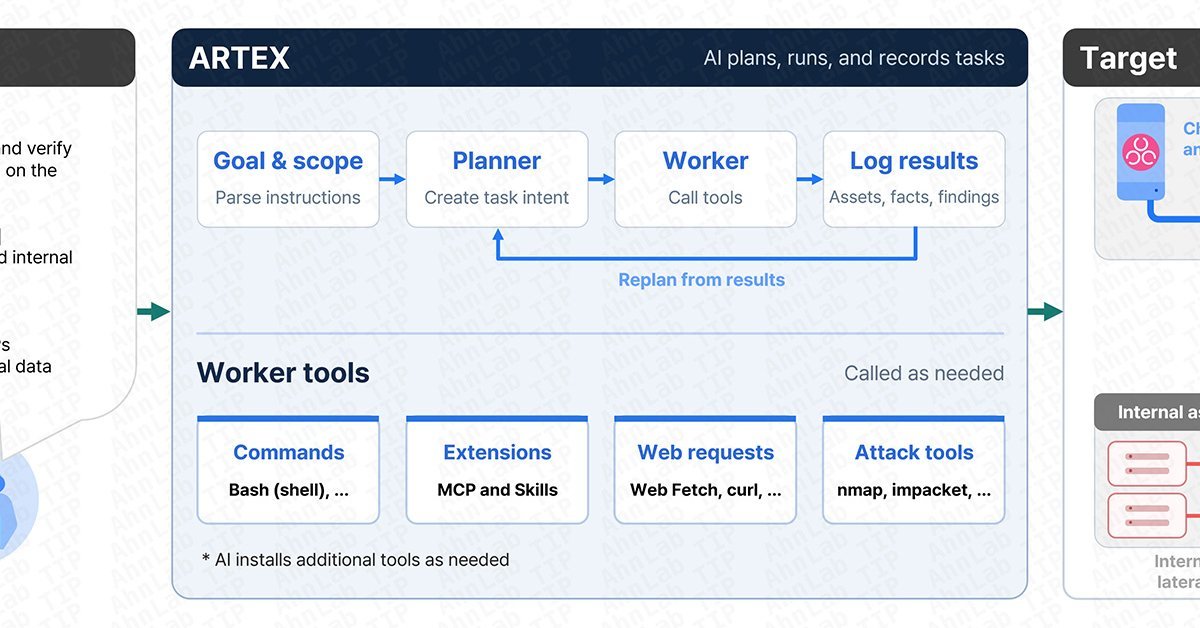
Microsoft said on October 21 that attackers tied to China's government are automating intrusions with ARTEX, a…
Tesla cut its 2026 capex guidance by $5 billion to $20 billion, just three months after lifting it by $5 billi…