
What happened
AppLovin faces a federal securities fraud class action after disclosures about delays in its generative AI video tool and slower ad-model improvements raised questions over past statements about its AI-driven business.
Why it matters
The suit targets the core belief that AppLovin's ad technology keeps turning technical progress into revenue and strong margins, making AI execution and disclosure its key short-term catalyst and largest added risk.
What to watch
The outcome hinges on the court case itself, and on whether data-access limits and AI effectiveness put the reliability of reported figures at risk. Q2 2026 revenue was US$1,923.69 million, with Q3 guidance of US$2,055 million to US$2,085 million.
WHO IT HITSInvestors holding or weighing AppLovin stock, along with the analysts who model its revenue and earnings, face a fresh legal and disclosure risk layered on top of the AI delays already affecting advertiser confidence.
Summaries like this, in your inbox every morning.
The lawsuit arrives after a run of disclosures that chipped away at confidence in AppLovin's AI story. Delays in the generative AI video tool and slower improvements in its advertising models raised questions about how well past statements had described the business, and the federal class action now puts those questions into a legal forum.
At the same time, AppLovin's Q2 2026 update showed US$1,923.69 million in revenue and guidance of US$2,055 million to US$2,085 million for Q3, a reminder that management still points to a strong top line and high profitability. The tension is whether that performance can be repeated if AI-related delays, the Unity data dispute and the new lawsuit weigh on advertiser confidence.
Cautious analyst estimates before the lawsuit already assumed roughly US$13.0 billion in revenue and US$8.1 billion in earnings by 2029, warning that tighter auction data access could mean AI upgrades do not justify the extra compute spend. The near-term stakes therefore hinge on the court case and on whether data access and AI effectiveness hold up, matters that could shift how investors read the same company.
Pick your industry and the AI tools you use, and get news related to your work every day.
Free · 30 seconds with Google · unsubscribe anytimeWhat is AIToday? →
Ask AI anything about this article. The AI reads this article, earlier AIToday articles, and Wikipedia, and cites its sources. Q&As are published on this page for other readers too.
Caterpillar and CoreWeave shortened the data-labeling and feedback loop for training autonomous construction m…
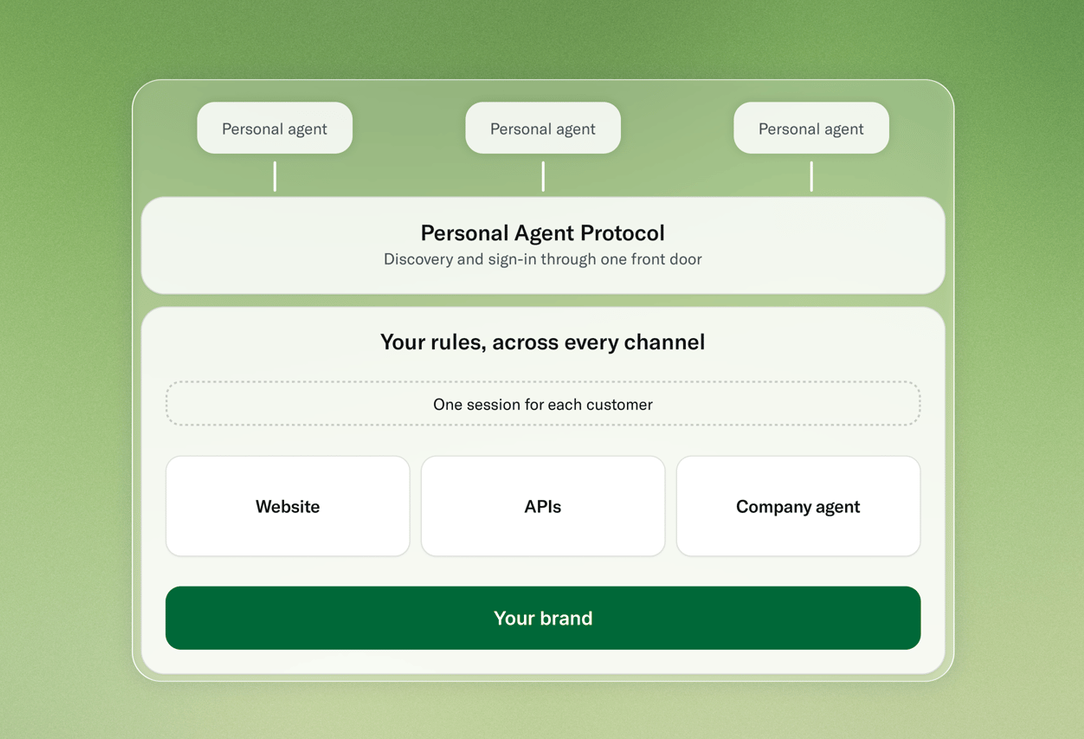
Meta, Walmart, Stripe and Sierra Technologies are creating the Personal Agent Protocol, introduced by Sierra c…
Anthropic launched Claude for Google Workspace as a public beta for paid Claude plans, adding Claude to Google…
In tests run October 1–6, 2026, Seedance 2.5 landed a single hard cut exactly at the moment of contact and car…

Anthropic released "Claude for Google Workspace" as a public beta, reachable from each tool's "Extensions(拡張機能…

UWOTC-CWA published a petition ahead of a union authorization vote, telling Wizards of the Coast and parent Ha…