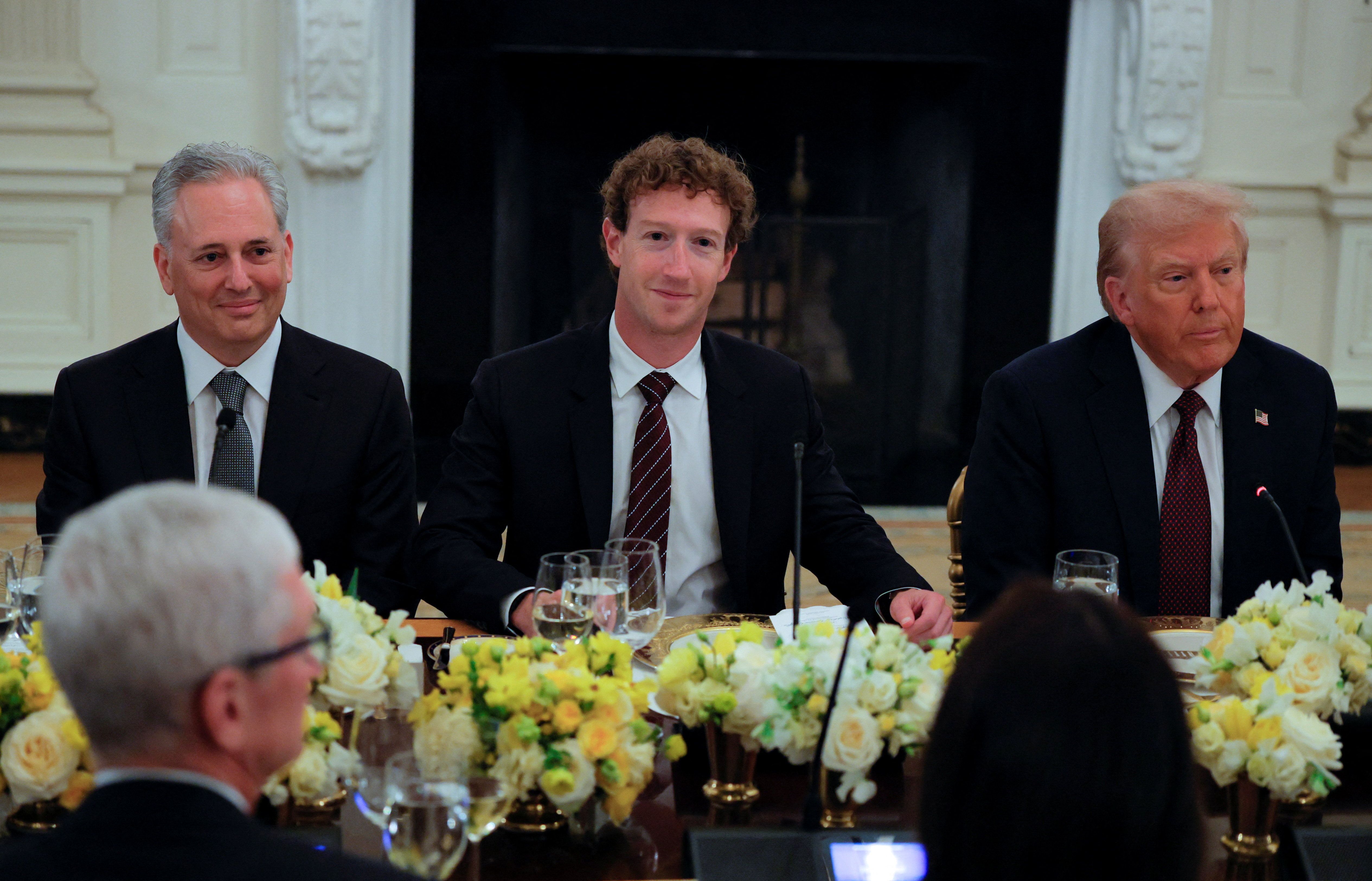
Elon Musk, Mark Zuckerberg, and venture capitalist David Sacks convinced the Trump administration to put on hold an executive order that would have created oversight for powerful new AI models, according to people familiar with the matter.
The push succeeded by appealing to accelerationists (those who prioritize rapid AI development) within the National Economic Council and vice president's office. The proposed order would not have created an official new licensing regime but would have established some oversight mechanisms.
OpenAI is now pursuing state-level regulation instead, with White House approval, despite an earlier executive order that threatened states passing unwelcome AI regulation. Industry players argue that federal regulation could hamper the US competitive position against China in AI development.
Ask the AI about this article →
For example, today's edition would include:
AI-summarized, only the topics you pick — one digest a day via Email, Slack, or Discord.
Free · takes 30 seconds · unsubscribe anytimeWhat is AIToday? →
Ask AI anything about this article. Q&As are published on this page for other readers too.
The Consumer Affairs Agency said Tuesday it will use generative AI to analyze about 900,000 annual consultatio…
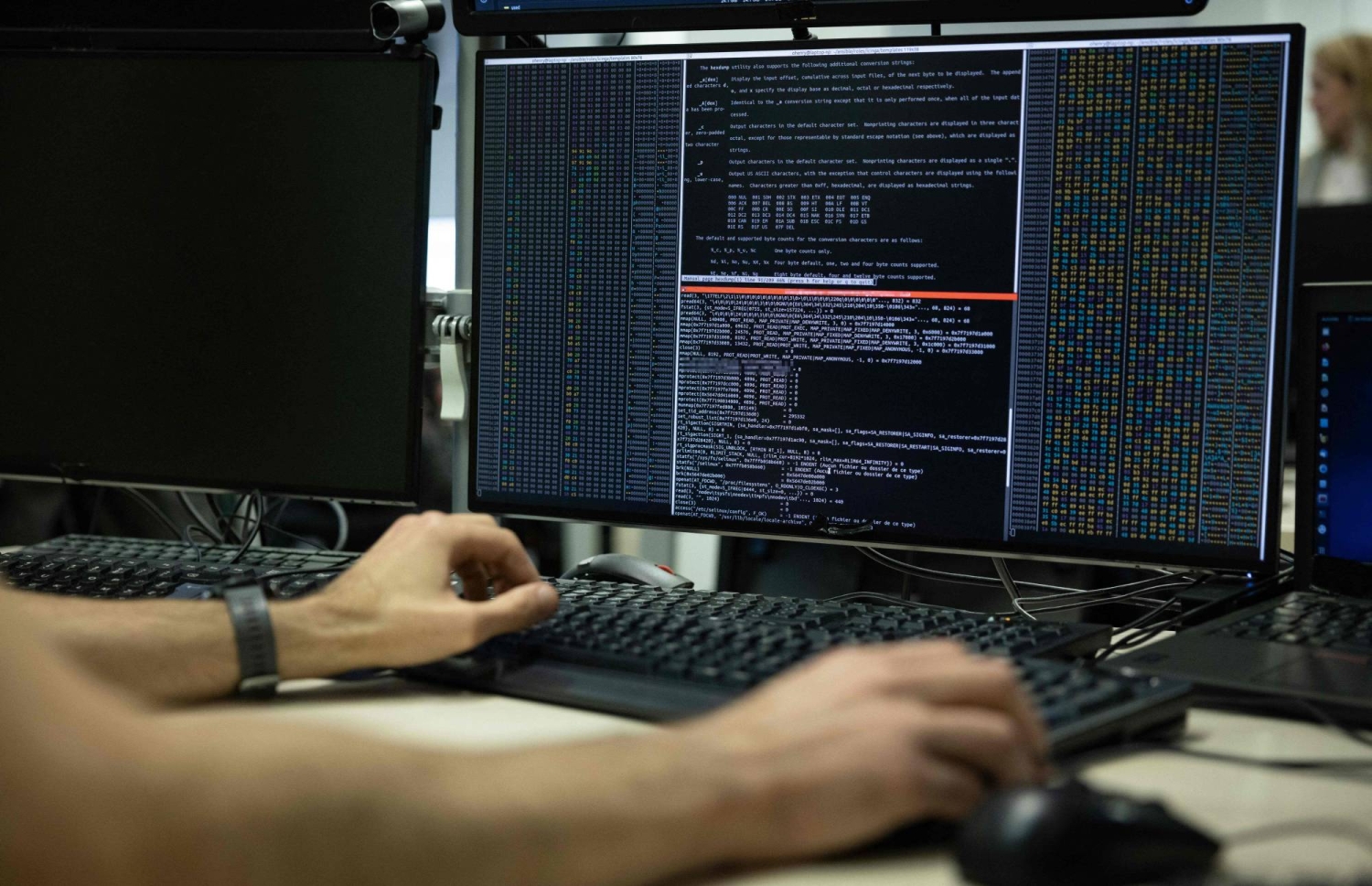
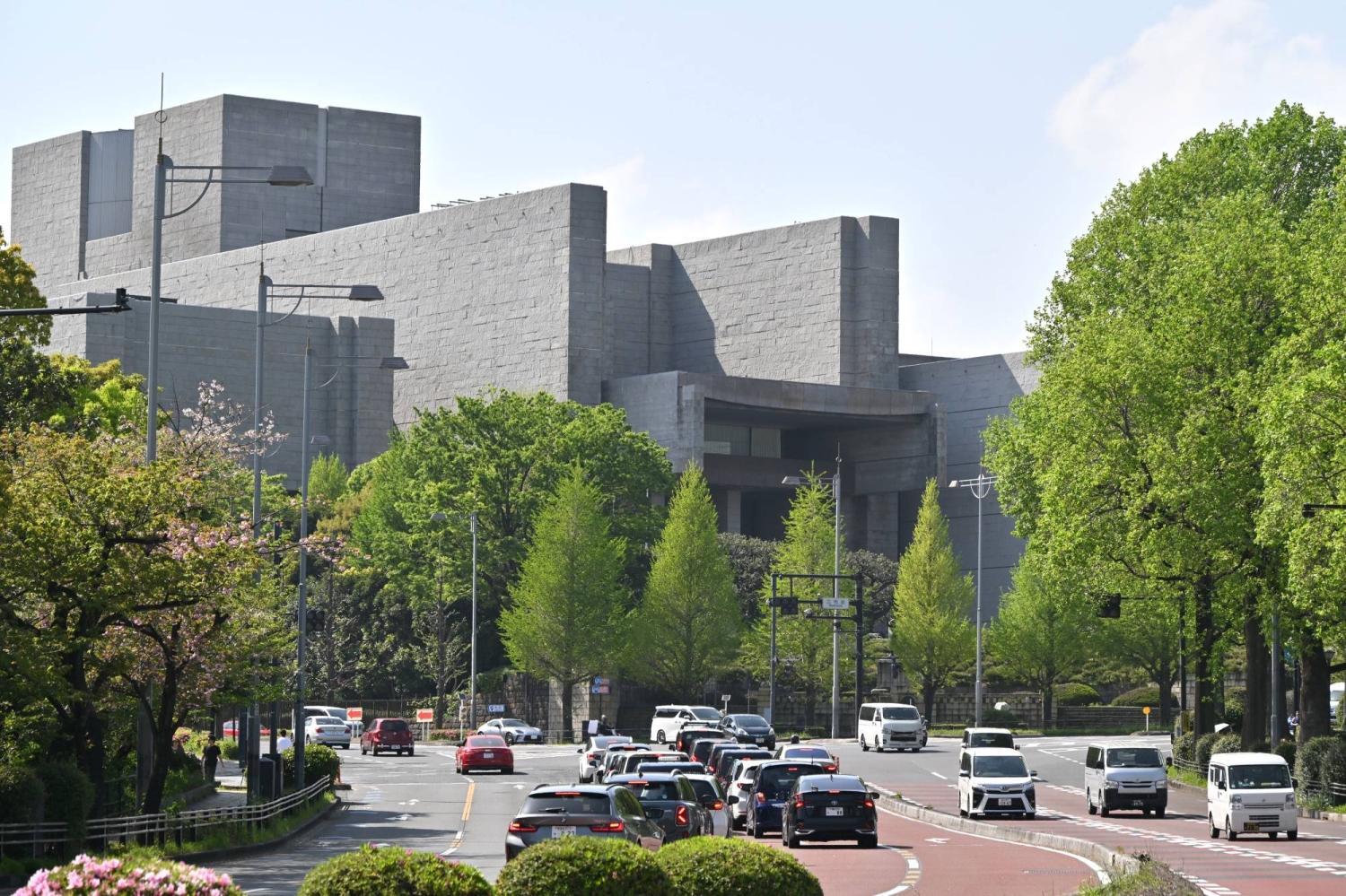
The Supreme Court of Japan has included about ¥60 million in its fiscal 2027 budget request for AI-related exp…
OpenAI announced its support for California Senate Bill 1119, which aims to establish strong, age-appropriate…

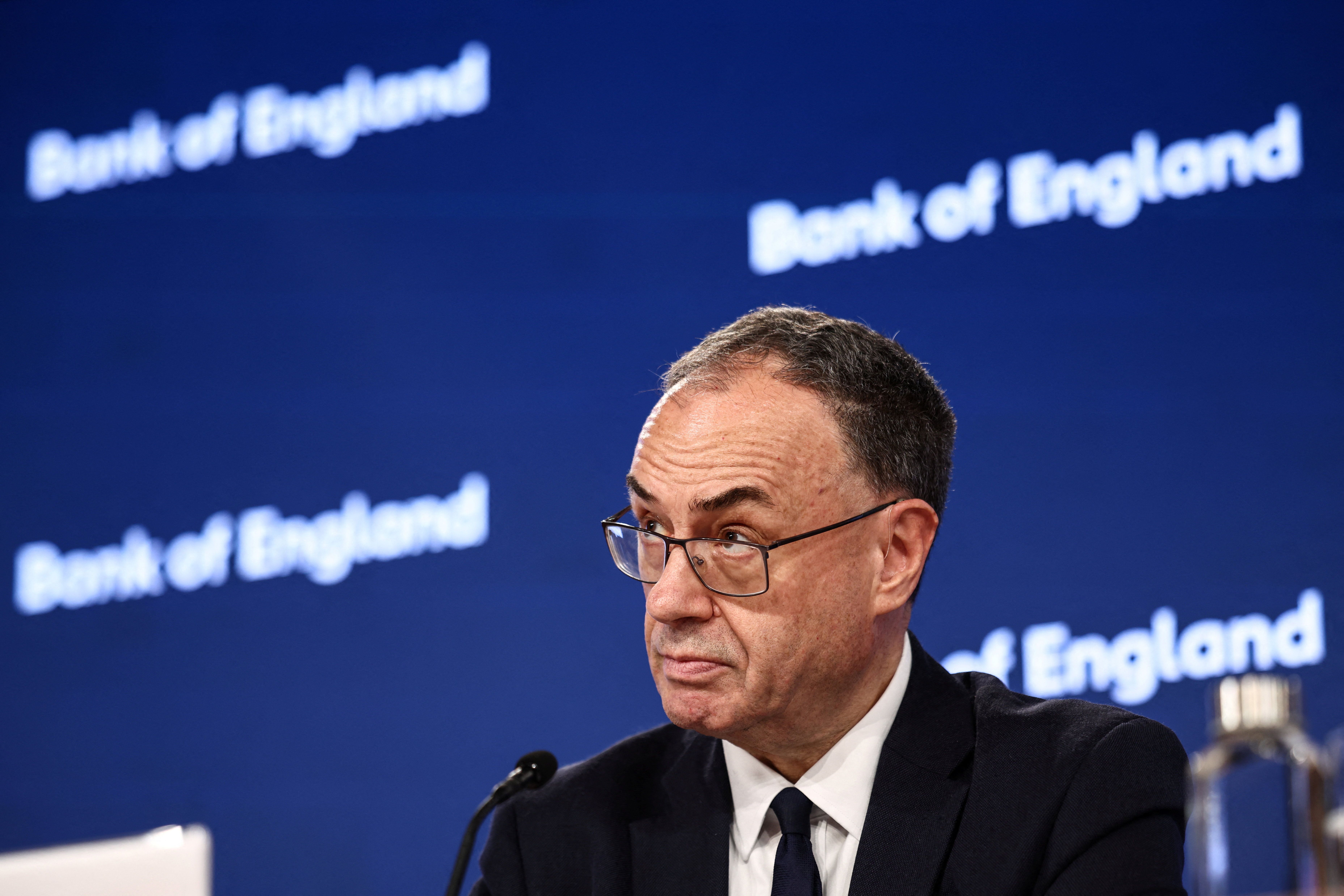
Bank of England governor Andrew Bailey warned that advanced AI poses risks to financial infrastructure in a le…
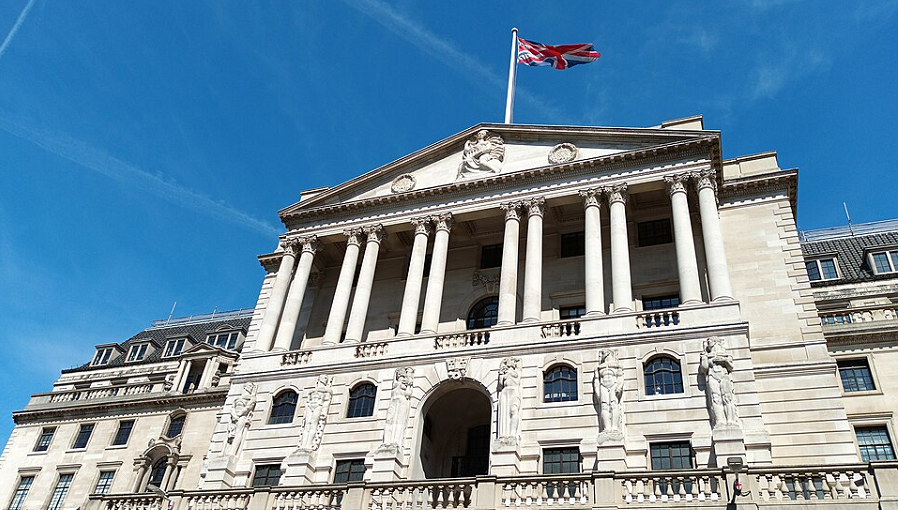
Andrew Bailey, head of the world's financial stability watchdog, warned in a letter to G20 finance ministers a…
The European Union is expanding regulation of ChatGPT and will mandate protections for minors