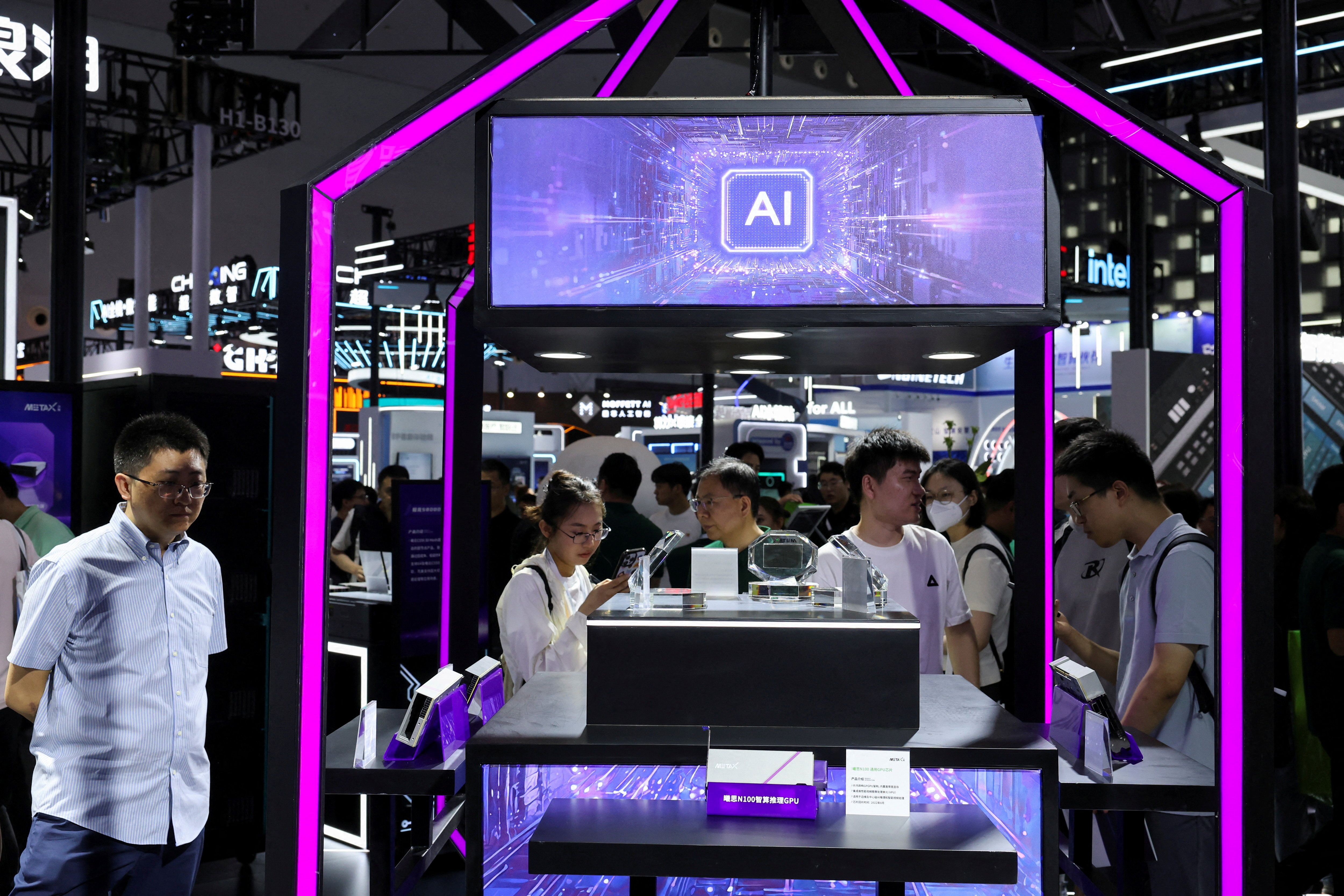
Executives including Shopify's CEO, Sam Altman, Jamie Dimon, and Standard Chartered's CEO have framed mass layoffs caused by AI adoption in softer terms—calling them "really fun discussions," suggesting eliminated jobs were never "real work," advising workers to develop emotional intelligence, or referring to displaced employees as "lower-value human capital."
The article argues corporate leaders should acknowledge plainly that AI will be used to conduct the same business with fewer people and higher profit margins, that retraining displaced workers is unlikely to succeed as AI widens skills gaps faster than training can keep pace, and that new jobs created will mostly not go to people who lost their old positions.
Democratic Senator Mark Warner and VC co-founder Christopher McKelvy warn that without a credible plan to improve the everyday lives of average American families through AI, political backlash is likely—with McKelvy predicting "AI will be the number one issue of the 2028 election."
Ask the AI about this article →
For example, today's edition would include:
AI-summarized, only the topics you pick — one digest a day via Email, Slack, or Discord.
Free · takes 30 seconds · unsubscribe anytimeWhat is AIToday? →
Ask AI anything about this article. Q&As are published on this page for other readers too.
K-Safety Expo 2026 will be held at BEXCO in Busan from September 2–4, featuring AI, robots, sensors, and conne…

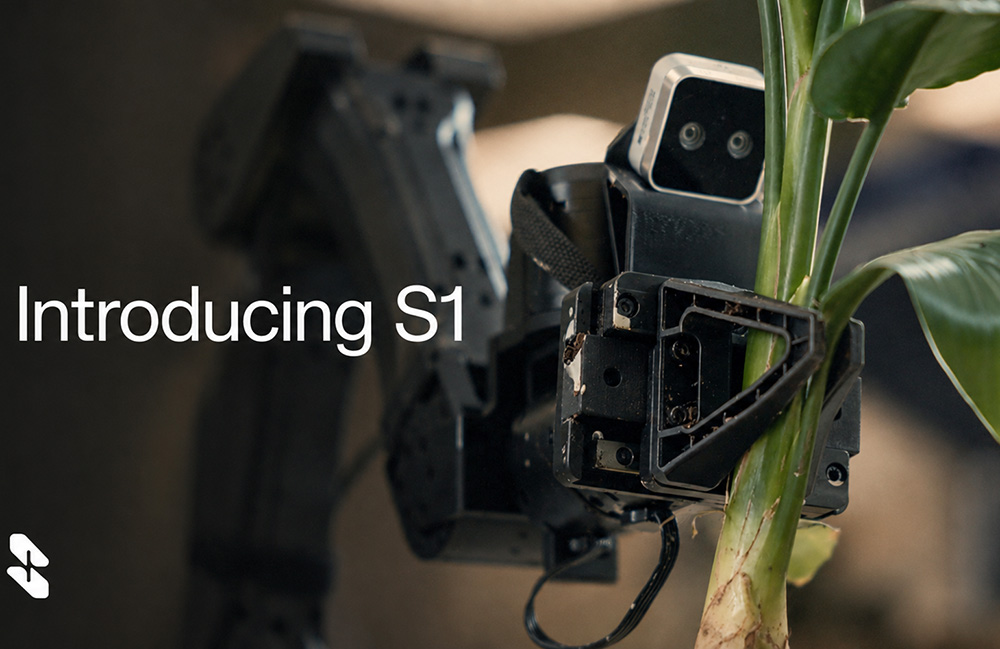
Skild AI has introduced S1, its flagship robot foundation model, which lets robots learn new, complex tasks by…
BHP, the world's largest mining company by market capitalization, has deployed AI across its operations
John Deere announced a three-year, $10 million research and development partnership with ag-tech company Reser…

On July 16, 2026, NVIDIA announced that 22 Japanese companies and organizations have expressed intent to join…
Panasonic HD has established a new AI and robotics research and development division, and CAIO Sakaba is leadi…