
What happened
Gartner forecasts 2026 global AI spending at $2.7 trillion, up 49.5% versus the prior year, with AI infrastructure at $1.4844 trillion — over half the total and more than 2.5x AI services at $576.5 billion.
Why it matters
The biggest money is going into data-center capacity and AI-optimized servers rather than services or software, which suggests the buildout phase still dominates spending.
What to watch
Gartner also lifted its 2026 growth outlook for AI application development platforms from 28% to 39% and for generative AI models from 110% to 117%, so watch whether that software-side growth closes the gap with infrastructure.
WHO IT HITSHyperscalers and cloud service providers buying AI-optimized servers and the chip, memory and networking vendors that supply them are the clearest beneficiaries of this spending mix. Enterprise software buyers and service providers may see relatively smaller budgets as firms favor smaller add-on AI projects over full transformation programs.
Summaries like this, in your inbox every morning.
Gartner places generative AI in the "trough of disillusionment" on its hype cycle for 2026, yet the same firm expects overall AI-related spending to keep expanding. That split — cooler expectations, bigger budgets — is the backdrop for its latest forecast of $2.7 trillion in worldwide AI spending for 2026, up 49.5% from the prior year.
The composition of that spending is the notable part. AI services ($576.5 billion) and AI software ($461.6 billion) are large, but both are dwarfed by AI infrastructure at $1.4844 trillion. Gartner analyst John-David Lovelock frames the expansion of AI data-center capacity as the largest infrastructure project humanity has undertaken, driven by hyperscaler and service-provider purchases of AI-optimized servers. Gartner adds that this segment has been largely insulated from the price pressure of rising memory-related costs.
On the services side, Lovelock describes a shift in buyer behavior: rather than large transformation engagements, companies are leaning on providers for smaller, indirect projects that tap AI features already embedded in existing software — even as vendor lock-in, data sovereignty and rising cost risks persist. He expects that combination of transformation and indirect projects to create a $1.2 trillion business opportunity in AI services by 2030. Whether that materializes likely hinges on whether enterprises keep adding standalone AI projects, or fold the work into existing platforms, while the infrastructure boom continues to absorb the majority of spending.
Pick your industry and the AI tools you use, and get news related to your work every day.
Free · 30 seconds with Google · unsubscribe anytimeWhat is AIToday? →
Ask AI anything about this article. The AI reads this article, earlier AIToday articles, and Wikipedia, and cites its sources. Q&As are published on this page for other readers too.
Google released Gemini Nano Banana 2.1, cutting API image output to $30 per 1 million tokens from Nano Banana…

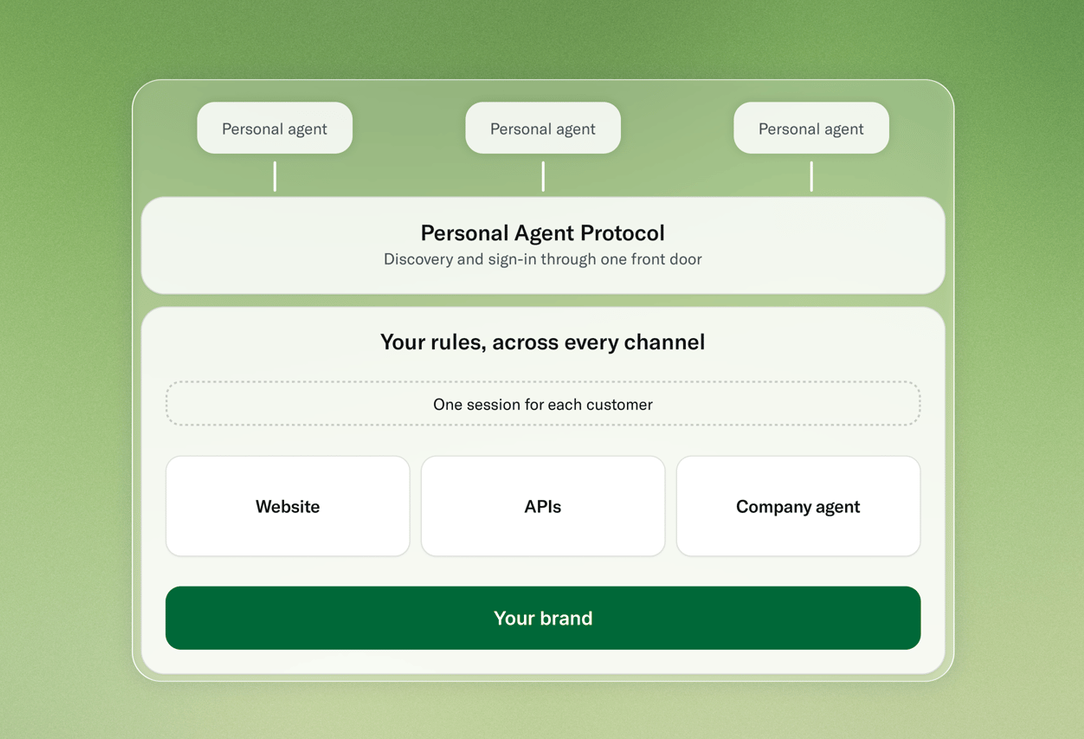
Meta, Walmart, Stripe and Sierra Technologies are creating the Personal Agent Protocol, introduced by Sierra c…
Caterpillar and CoreWeave shortened the data-labeling and feedback loop for training autonomous construction m…

Anthropic launched Claude for Google Workspace as a public beta for paid Claude plans, adding Claude to Google…

UWOTC-CWA published a petition ahead of a union authorization vote, telling Wizards of the Coast and parent Ha…

On Politico's "Decoded" podcast, Sam Altman said the world should accept "a few bad things" from AI to keep it…