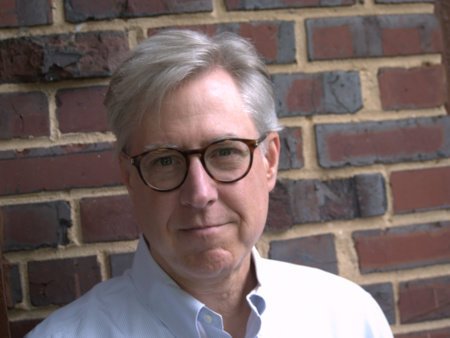
What happened
Thomas Frank, author of What's the Matter with Kansas?, published The Creativity Con: How Innovation Became America's Biggest Racket, tracing the 'innovation' ideology back to ad-man Alex Osborn, the 'O' in BBDO, who popularized 'brainstorm.'
Why it matters
Frank says AI is making his argument harder for white-collar workers to ignore, as the same displacement that hit blue-collar communities like his hometown now threatens the 'creative class'—and the technology 'reproduces orthodoxy,' he warns.
Summaries like this, every morning.
Frank's book arrives nearly two decades after What's the Matter with Kansas? made him a fixture of the political bestseller lists, and it returns to a theme he has pursued since co-founding The Baffler in 1988: that Americans misread their own economy. Much of The Creativity Con traces the modern cult of innovation to Alex Osborn, the ad-man who turned 'brainstorm' into a business term, and whose papers Frank spent a week reading in Buffalo. Frank calls the result an 'ideology'—one he says Osborn, 'no fan of the New Deal,' pushed toward treating blue-collar workers as uncreative, and which Frank argues 'has hurt us really bad.'
The twist is AI. Frank says the creativity gospel now turns on the people who preach it most, as the displacement that hit places like his hometown of Kansas City threatens the creative class. His own experience with the technology is mixed: he says it has 'revolutionized' archival work, letting him search old magazine runs that once required paging through library stacks. But he also describes an LLM confidently misattributing a song lyric, then agreeing it was wrong before offering another wrong answer, and warns that such systems 'reproduce orthodoxy' by treating authority's answers as truth.
For Frank, true innovation looks less like an Osborn brainstorming session than punk rock—'totally unauthorized,' he says, and not the sort of creative thing anyone would have celebrated at the time. His advice to Fortune readers and AI users is blunt: think for yourself, do the research, and read the book.
Pick your industry and the AI tools you use, and get news related to your work every day.
Free · 30 seconds with Google · unsubscribe anytimeWhat is AIToday? →
Ask AI anything about this article. The AI reads this article, earlier AIToday articles, and Wikipedia, and cites its sources. Q&As are published on this page for other readers too.
WIRED will hold a subscriber-only livestream on December 2 at noon ET / 9am PT, with Sandra Upson, Steven Levy…
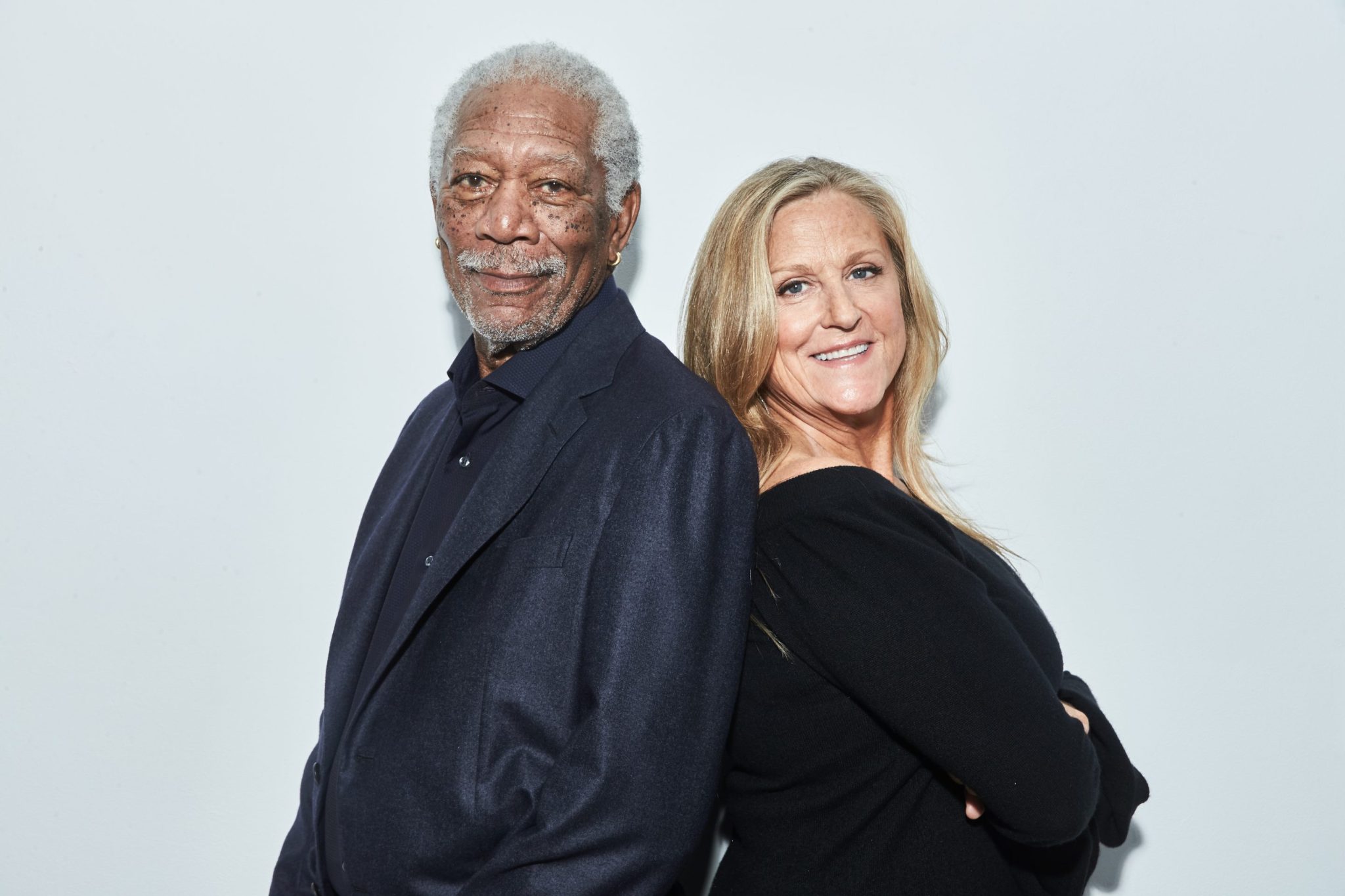
Morgan Freeman told Fortune that AI has been used to make him say things he never said, and he and Lori McCrea…
In a paper by Princeton University and Snowflake researchers, Soteria checked agent plans with the Dafny verif…

An architect with 20年以上 of systems and DB experience reviewed code from Cursor, GitHub Copilot and Claude Code…
A write-up on evaluating AI hairstyle previews lays out five checks: identity retention, hair-to-skin boundari…

OpenAI's chief scientist called for industrywide standards that would set thresholds for AI development, to ap…