What happened
Parameter Labs found that ChatGPT's HTML preview sandbox could be escaped via a MathLive keyboard postMessage flaw and a YouTube oEmbed script-loading trick, letting a shared link exfiltrate a signed-in viewer's private data. OpenAI closed the hole and paid a $5,000 bug bounty.
Why it matters
The chain let untrusted code in one user's preview run inside ChatGPT itself, so simply opening a shared link could expose private data or let actions be taken on the viewer's behalf.
WHO IT HITSThis lands on ChatGPT users who open shared links and on security teams assessing AI chat tools that render interactive HTML, since trust in the preview sandbox is central to how such features are adopted.
Summaries like this, every morning.
The vulnerability sits in the artifacts pattern — the feature OpenAI once called Canvas and now presents as HTML previews — where interactive custom HTML apps run in a sandboxed iframe. Keeping that HTML tightly sandboxed is meant to stop untrusted code from reaching OpenAI APIs or private data. Parameter Labs' chain shows how a supporting library can widen that boundary: MathLive, used for graph support, includes a virtual keyboard that the parent page listens for via postMessage(), and the receiving code used innerHTML without preventing other sandboxed frames, including preview frames, from calling it.
From there, the attack bypassed OpenAI's CSP rules, which blocked inline scripts and allowed script loading from only a handful of domains, one of which was YouTube. The YouTube oEmbed endpoint could reflect JavaScript back in a way that executed it. Once JavaScript ran, fetching private user data from APIs and exfiltrating it via an image reference was trivial, according to the write-up.
The practical result was a share URL that could act against another signed-in user. OpenAI closed the hole and paid a $5,000 bug bounty, which Simon Willison called a bit cheap for a vulnerability this serious; that assessment is his opinion, not a stated policy of OpenAI.
Pick your industry and the AI tools you use, and get news related to your work every day.
Free · 30 seconds with Google · unsubscribe anytimeWhat is AIToday? →
Ask AI anything about this article. The AI reads this article, earlier AIToday articles, and Wikipedia, and cites its sources. Q&As are published on this page for other readers too.
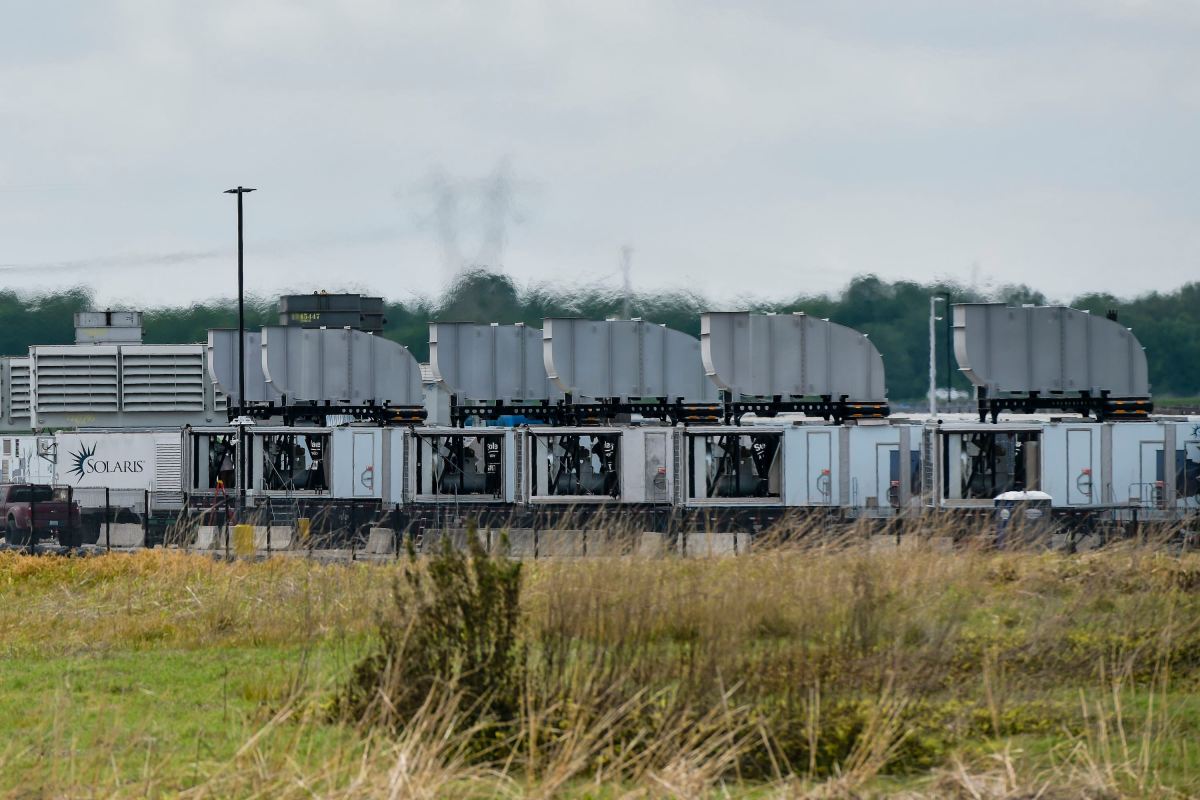
Judge Debra M. Brown ruled the NAACP's Clean Air Act claims against xAI can proceed, rejecting xAI's arguments…
Lead Stories found that a video of Susan Dell dancing, posted on X on Oct
At JIMTOF2026, FANUC showed a Physical AI CNC concept where LLMs access CNC data and change settings through a…

Windows' new AI feature, Project Pantheon, brings image editing to the Windows canvas as a manually triggered…

Anthropic told API customers it will watermark Claude Mythos 5, Claude Opus 4.7, Claude Opus 4.6, and Claude S…
Phorion found a backdoor in official Claude Code extension version 2.1.313 on Cursor's marketplace; Ars Techni…