Hyundai has stated that its humanoid robot development plan is not connected to current negotiations with striking workers, contradicting union concerns about unannounced automation. The union had previously insisted that any robot deployment be subject to labor negotiations, signaling worker fears about job displacement through technology.
Summaries like this, in your inbox every morning.
Sign up free →What happened
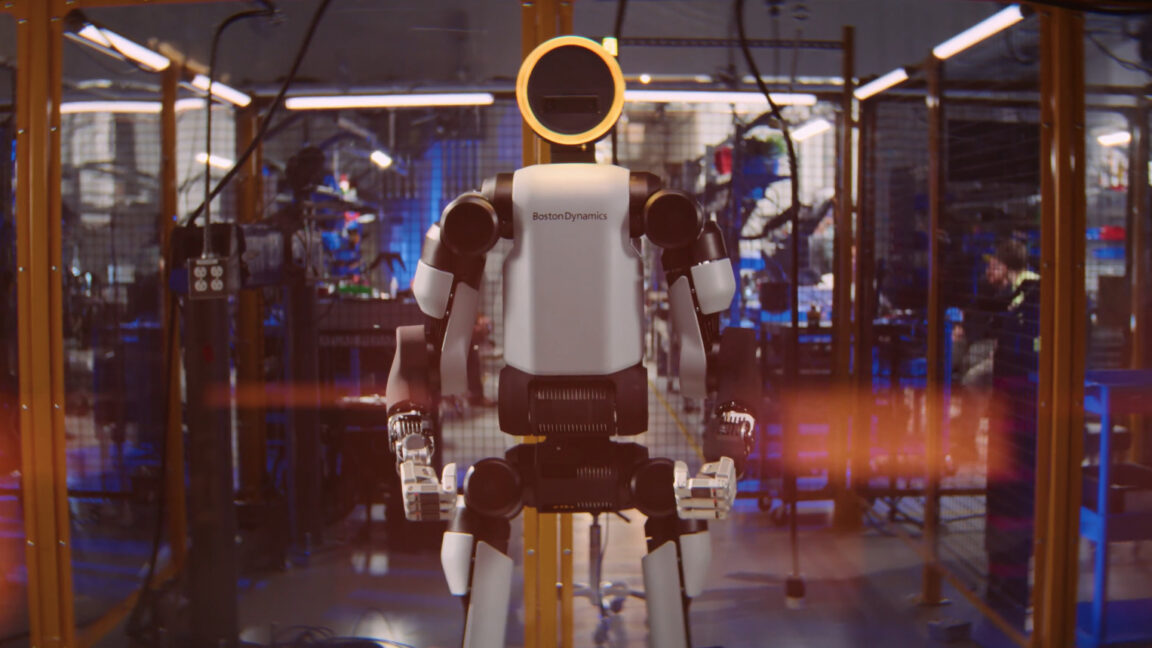
Hyundai stated that its plan to develop a humanoid robot is not part of ongoing negotiations with striking workers, after the union had previously warned the automaker that any robot deployment must be negotiated as part of labor discussions.
Why it matters
The union's concern reflects broader labor anxieties about automation—workers fear that robots introduced without negotiation could displace jobs or alter working conditions. Hyundai's separation of the robot project from strike talks may signal tension between the company's automation strategy and worker protections.
What to watch
Whether the union accepts Hyundai's claim that the robot plan is independent, and whether future labor agreements include explicit provisions about automation and robot deployment at the company.
Hyundai has clarified that its plan to develop a humanoid robot is not tied to current negotiations with striking workers at the company. This statement comes after the union had previously warned the automaker that any deployment of robots must be negotiated as part of labor discussions. The union's earlier stance signaled concern that automation could be introduced without worker input or protections. By publicly stating the robot project operates independently of strike talks, Hyundai is asserting that its technological roadmap is separate from labor agreements—a position that underscores the company's commitment to pursuing automation even as it handles worker disputes. The union's reaction to this claim and whether it will seek to include automation safeguards in any final labor agreement remain open questions as negotiations continue.
Hyundai's statement that its humanoid robot development is separate from strike negotiations points to a disconnect between the company's long-term automation strategy and immediate labor concerns. The union's earlier warning that robot deployment must be negotiated reflects a common labor-movement stance: workers want a seat at the table when technology might affect employment or job security. By decoupling the robot project from strike talks, Hyundai appears to be defending its right to pursue automation independent of labor agreements—yet the union's prior insistence on negotiation suggests this boundary may be disputed. The tension reflects a broader challenge in manufacturing: how companies balance technological advancement with worker protection and input.
AI-summarized, only the topics you pick — one digest a day via Email, Slack, or Discord.
Free · takes 30 seconds · unsubscribe anytime
No comments yet. Be the first to share your thoughts!
Log in to join the discussion


Get curated AI news from 200+ sources delivered daily to your inbox. Free to use.
Get Started FreeFree · takes 30 seconds · unsubscribe anytime
1 minute a day. The AI essentials.
200+ sources · Email / LINE / Slack