
What happened
The Linux Foundation announced the contribution of TRACE (Trust, Runtime Attestation and Compliance Evidence), a new open specification from OPAQUE, on Aug. 25, 2026. It was developed collaboratively by AMD, Intel, Microsoft, OPAQUE and the Technology Innovation Institute (TII).
Why it matters
TRACE creates a standardized, hardware-enforced governance record that binds runtime environment, software, policies, data classifications and tool usage into a portable, cryptographically verifiable artifact. It helps organizations prove sensitive data is handled according to policy as they deploy increasingly autonomous AI agents and open-weight models.
What to watch
The Linux Foundation will provide vendor-neutral governance for TRACE to support sustainability and long-term growth. The initial specification focuses on today's AI agent architectures while providing a foundation for future multi-agent and confidential computing deployments.
Summaries like this, in your inbox every morning.
The announcement reflects a broader push to create trust mechanisms for AI as autonomous agents become more common in enterprise and government environments. TRACE does not start from scratch; it composes existing standards like RATS, EAT, SLSA, SCITT, SPIFFE and EAR into a unified layer. This approach could help adoption because it avoids asking organizations to replace their current security tools.
Jim Zemlin, CEO of the Linux Foundation, framed the effort as a response to the need for independent, cross-platform proof of operational integrity. With multiple large vendors contributing, the specification has a strong base of support, which may help it gain traction across different cloud and confidential computing environments. The Linux Foundation's neutral governance is intended to keep the standard open and portable.
Pick your industry and the AI tools you use, and get news related to your work every day.
Free · 30 seconds with Google · unsubscribe anytimeWhat is AIToday? →
Ask AI anything about this article. The AI reads this article, earlier AIToday articles, and Wikipedia, and cites its sources. Q&As are published on this page for other readers too.
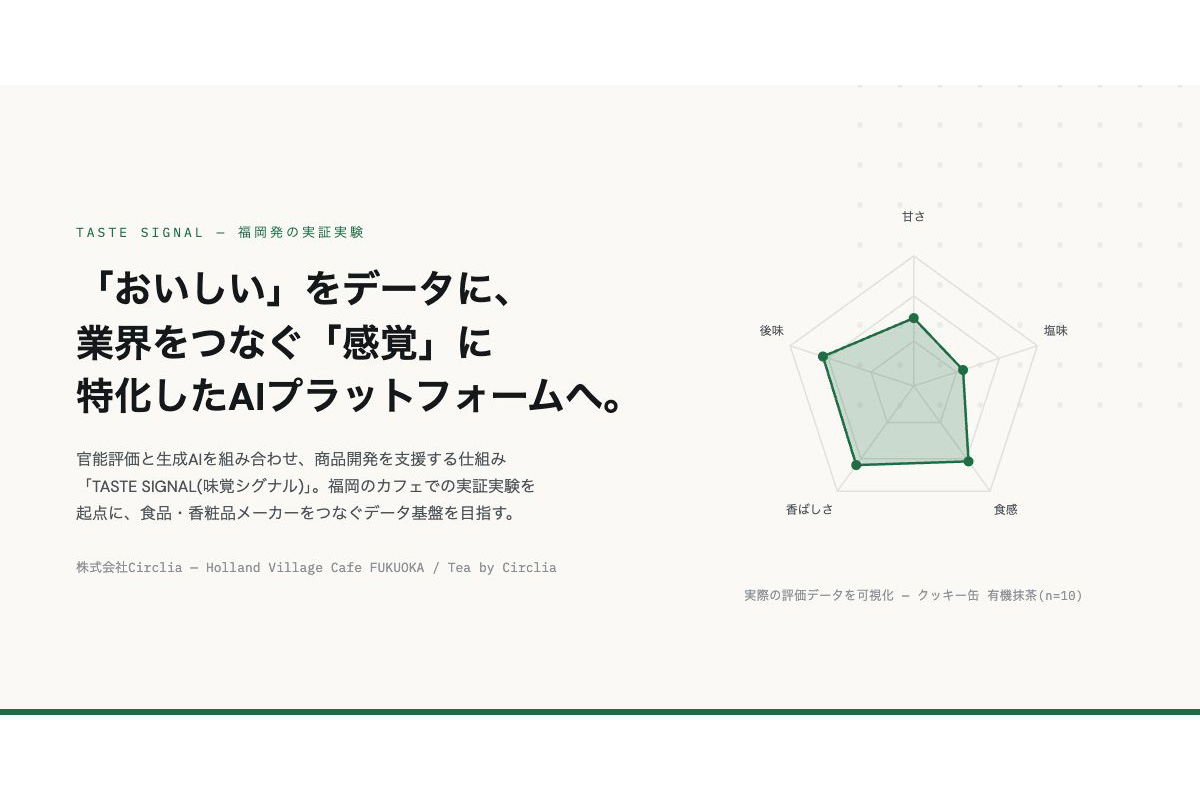
Circlia started a proof-of-concept for TASTE SIGNAL: visitors to Holland Village Cafe FUKUOKA taste cookies an…
In a webinar hosted by French Mathematical Society president Isabelle Gallagher, Fields Medal winner Hugo Dumi…

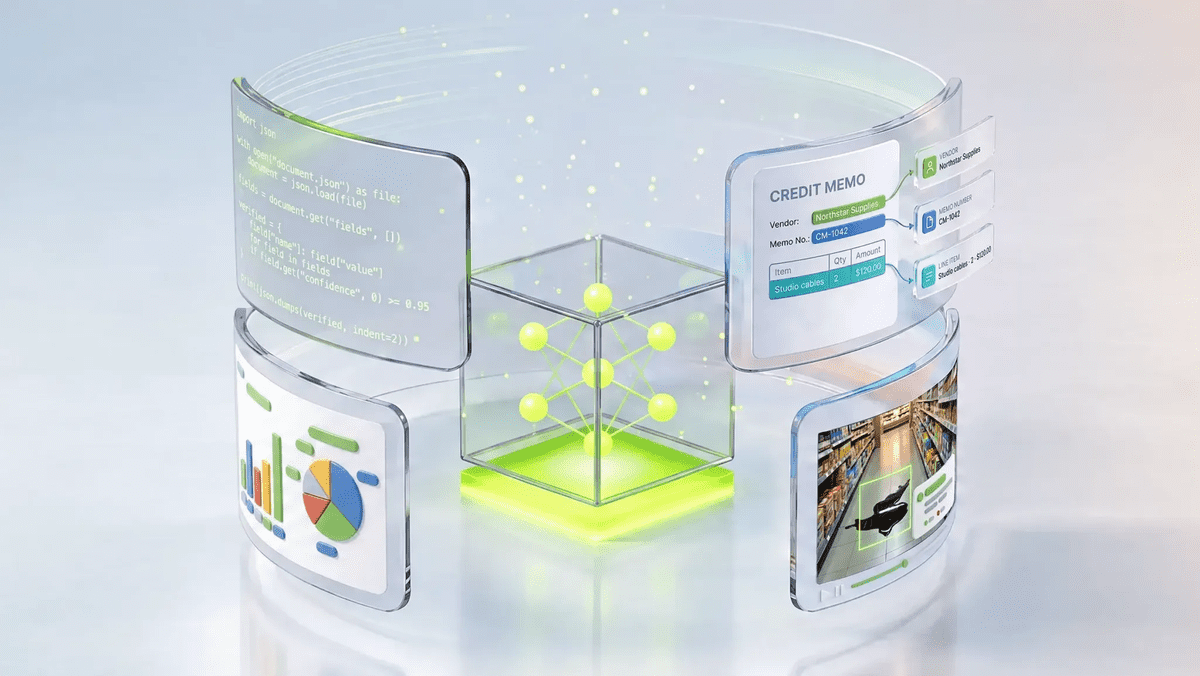
NVIDIA released Nemotron 3.5 Super VL, an open-weight model with 120 billion parameters that handles text, ima…
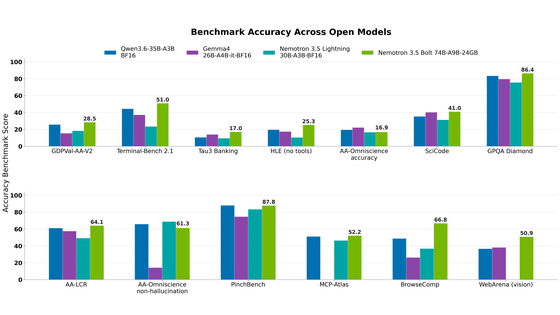
NVIDIA released Nemotron 3.5 Bolt 74B-A9B 24GB, an AI model for local agents that hits over 80 tokens per seco…
Anthropic said on October 15 it has started giving METR's six staff company devices, office space and access t…
NVIDIA published a blog post titled "AI Security Is an Engineering Problem - How to Solve It at Every Layer of…