What happened
The Pluggable Agentic AI Framework organizes multi-agent applications into seven layers — from data and knowledge, model and inference, orchestration, security and guardrails, application, observability, to agentic operations — with a ready-to-run retail customer support reference implementation.
Why it matters
The framework lets enterprises swap underlying technologies at each layer without redesigning the stack, so teams can keep their existing security and observability tools while filling gaps incrementally, rather than rebuilding the same scaffolding from scratch.
Summaries like this, every morning.
The framework arrives against a familiar problem: every team building an agent tends to rebuild its own routing logic, guardrails, and observability after the fact, and a proof-of-concept only shows the model can do the task, not that it survives production traffic, cost pressure, and security review. The seven-layer design responds by fixing contracts at layer boundaries so the technology underneath can change without redesigning the rest of the stack.
The reference implementation applies this through a retail refund scenario, where a supervisor agent delegates to an Order agent and a Refund agent, and every tool call passes through AgentCore Gateway for fine-grained access control with Policy in AgentCore. The post argues for decomposing responsibilities rather than building one agent that does everything, because as tools and context accumulate, the context window grows, latency increases, and accuracy can suffer, a pattern it calls tool sprawl.
Pluggability is presented as the reason the layering matters as much as the division itself. The framework demonstrates integrations with third-party providers across inference, orchestration, application, security, and observability layers, so enterprises can retain tools they already trust and adopt new capabilities incrementally, which the post frames as protection for existing investments rather than a single-vendor commitment.
Pick your industry and the AI tools you use, and get news related to your work every day.
Free · 30 seconds with Google · unsubscribe anytimeWhat is AIToday? →
Ask AI anything about this article. The AI reads this article, earlier AIToday articles, and Wikipedia, and cites its sources. Q&As are published on this page for other readers too.
IBM plans to bring Anthropic's Claude Mythos cyber reasoning into IBM Concert Protect, combining AI code scann…

PKSHA Technology CEO Katsuya Uenoyama said after 14 years of AI deployments at over 4,800 companies, replaceme…
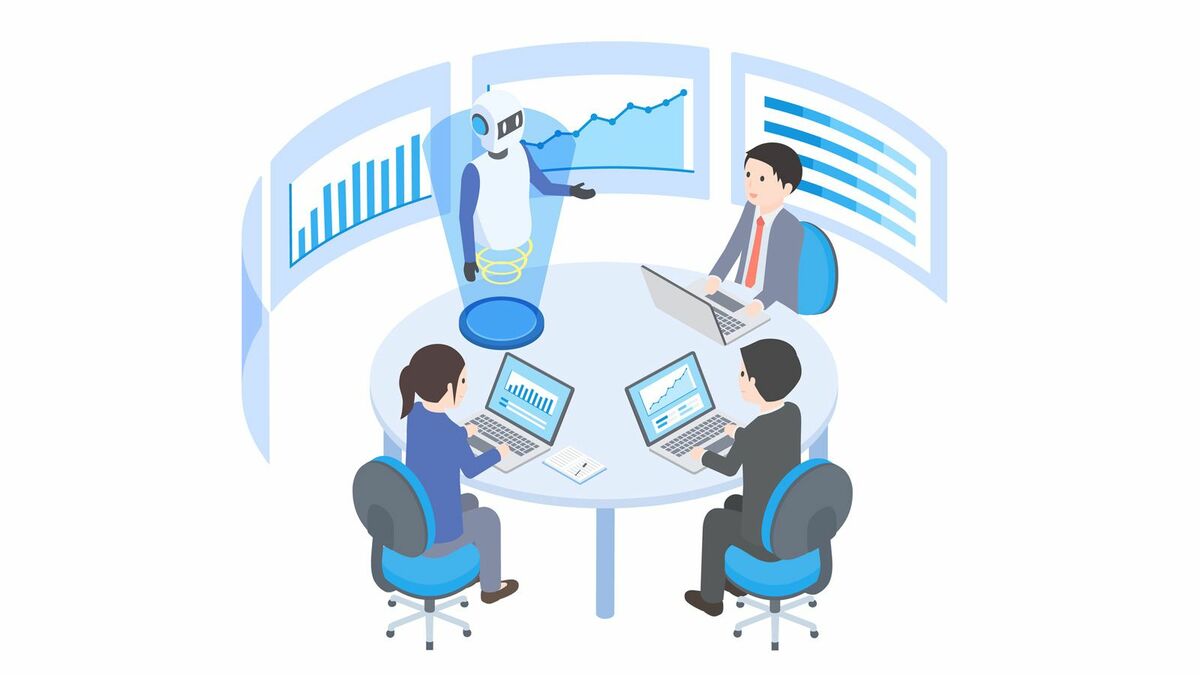
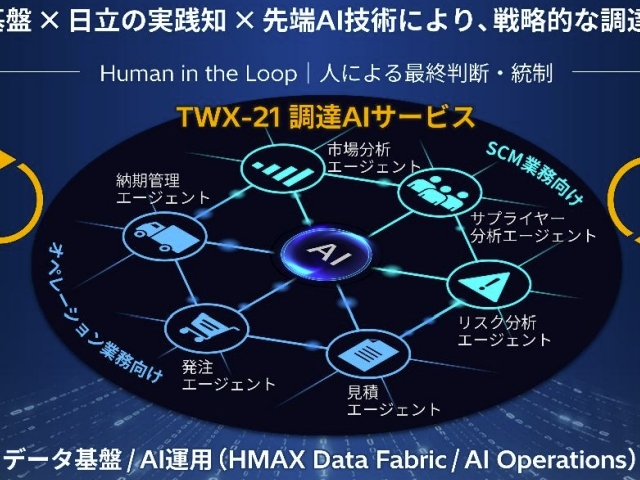
Hitachi released "TWX-21 調達 AI サービス" on 11月9日, sold under its HMAX Industry brand within the TWX-21 business-t…
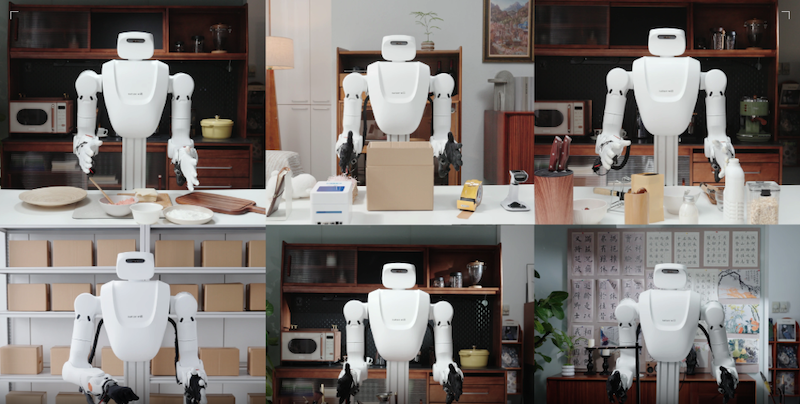
Nature Will announced Natura-1, a 50-billion-parameter mixture-of-experts model trained on over 1 million hour…
Meta introduced Muse Ember, its smallest and most efficient AI model, priced at $0.10 per million input tokens…

Vaswani et al. published "Attention Is All You Need" in 2017, proposing the Transformer architecture built on…