What happened
Nvidia guided for $108.0 billion in fiscal third-quarter revenue, with a footnote that it assumes no Data Center compute revenue from China. Nvidia's fiscal 2027 second quarter, which ended July 26, saw revenue rise 106% year over year to $96.2 billion.
Why it matters
Reaching the $108.0 billion forecast would require growing about 89% from the prior-year quarter's $57.0 billion, and it means Nvidia is effectively pricing in no AI chip sales to the world's second-largest economy despite billing $7.9 billion to China-headquartered customers last quarter.
What to watch
Any shift in U.S. export rules after the Sept. 24 White House meeting is the key variable, but Nvidia says that under current rules it cannot deliver a competitive data center product for broad distribution in China even with both governments' approval. Even a return to prior H20 sales volumes would add roughly $7 billion, or about 7% on top of the current forecast.
WHO IT HITSInvestors holding Nvidia stock (trading near $222) and technology supply-chain planners at companies that buy AI chips should note the forecast's zero-China assumption, since any reopening of the China market would be upside not currently reflected in the guidance.
Summaries like this, in your inbox every morning.
Nvidia's forecast for $108.0 billion in fiscal third-quarter revenue, issued in late August, came with an unusual footnote: the company assumes no Data Center compute revenue from China. That zero is not just a conservative accounting choice; it reflects a series of events that have effectively closed the world's second-largest economy to Nvidia's most important chips. In April 2025, the U.S. government required a license to export even the H20 chip designed for China, leading to a $4.5 billion charge. By last October, CEO Jensen Huang said Nvidia's share of China's AI chip market had dropped from about 95% to zero. Before the limits, China accounted for roughly a fifth to a quarter of the company's data center revenue.
Starting in February, the U.S. began issuing licenses for small quantities of H200 chips to particular Chinese customers, but sales remained tiny. Beijing limited purchases, Chinese demand waned, and Nvidia took a $400 million charge on excess H200 inventory. The quarterly filing notes only a fraction of allowed shipments have been made, and each H200 bound for China clears a U.S. inspection and carries a 25% tariff the company has not passed along. Chips have begun moving, with ByteDance and Tencent reportedly taking about 10,000 units apiece during the summer, but Nvidia says it still cannot deliver a competitive data center product for broad distribution in China under current rules.
The upcoming Sept. 24 White House meeting between President Trump and President Xi Jinping, with AI on the agenda, has raised speculation about eased chip restrictions. However, export controls on advanced AI chips were not on the agenda for preparatory AI safety talks, according to U.S. Trade Representative Jamieson Greer. Even a return to prior H20 sales volumes would add only about $7 billion, or roughly 7% on top of the current forecast, and the previous share of data center revenue would be worth almost $20 billion a quarter on today's base. Yet Chinese competitors have filled the gap, Beijing pushes domestic chips, and buyers may not rush back. The investment case, the author argues, holds without any China reopening, and whatever the summit adds would be a bonus.
For example, today's edition would include:
AI-summarized, only the topics you pick — one digest a day via Email, LINE, or Slack.
Free · 30 seconds with Google · unsubscribe anytimeWhat is AIToday? →
Ask AI anything about this article. Q&As are published on this page for other readers too.
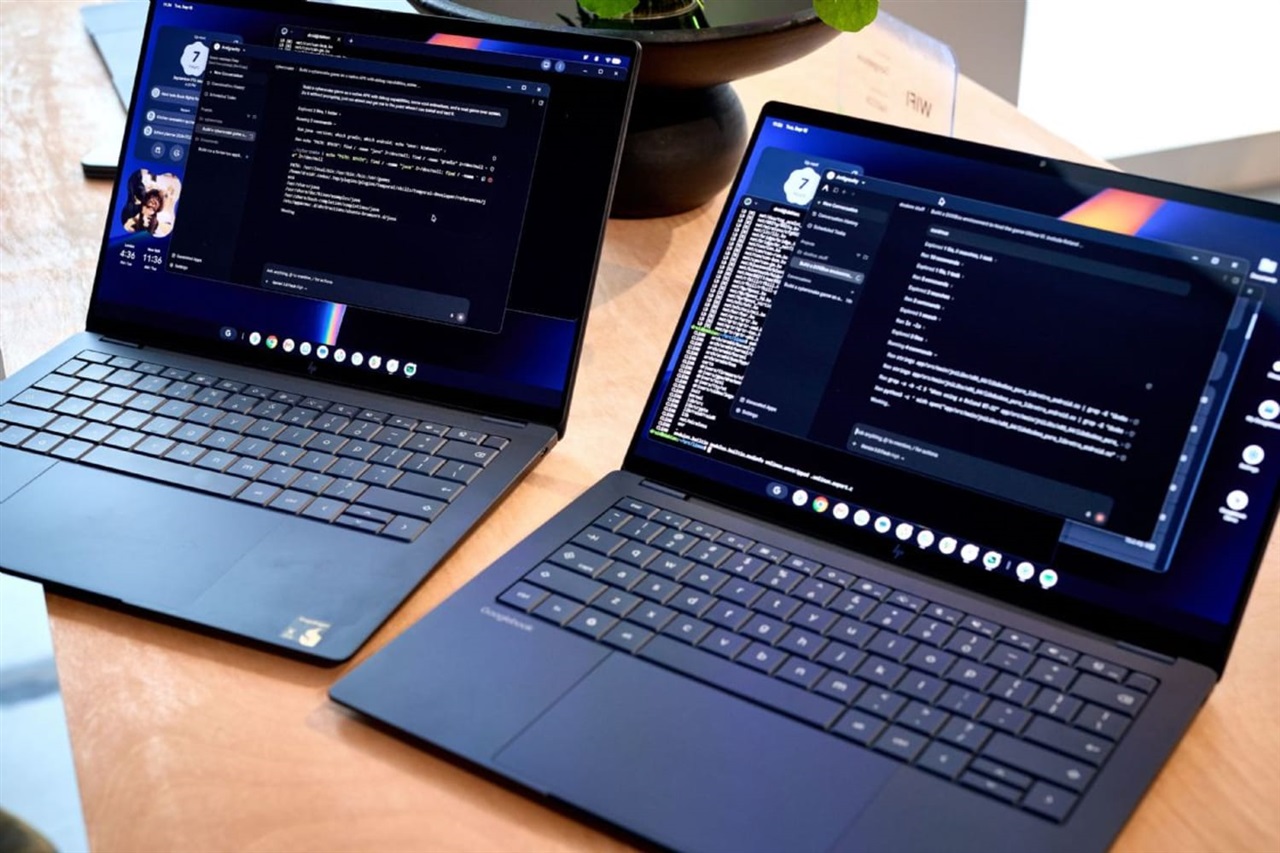
Google opened preorders for the first Googlebook models, priced from US$899
Amazon blocked Meta's AI agent Muse from shopping on Amazon.com, GeekWire reported September 20

OpenAI published a September 21 blog, "Building standards for the next phase of AI," proposing US-led internat…
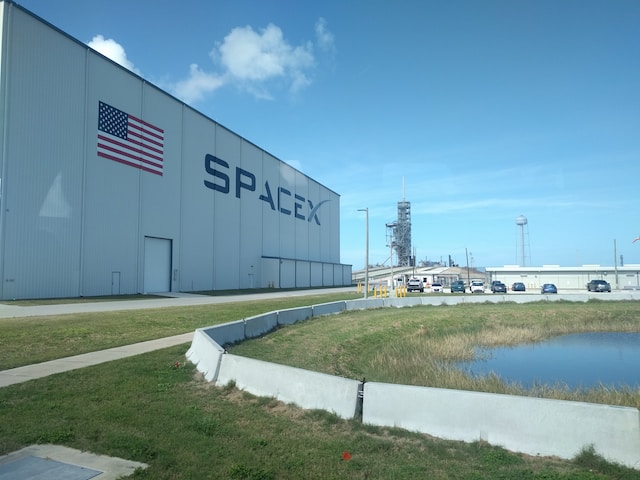
SpaceX introduced Grok 4.7, which averaged $4.69 per task on CursorBench 4.0, ahead of GPT-5.6 Sol and Fable 5…
Tesla's robot team ran intensive supplier audits across China's Yangtze River Delta last week, covering Ningbo…

Gartner predicted in June 2026 that 70% of mainframe modernization projects begun in 2026 will fail, and point…