What happened
Suno rolled out Studio 2.0 with a beta chat feature that lets Premier subscribers talk to the platform like a bandmate to create instruments, vocals, or custom plugins. The update also includes MIDI import, recording, editing, stem separation, automation curves, and unrestricted multitrack export at 32-bit/48 kHz. Plugin creation currently does not consume credits, though Suno says a credit system may come later.
Why it matters
The chat-driven interface transforms Suno from a pure music generator into a full digital audio workstation (DAW) — a desktop tool traditionally used by professional producers — bringing AI composition into professional workflows. However, the unrestricted export directly contradicts Suno's recent download limits designed to curb spam distribution on streaming platforms, signaling a trade-off between enabling paying professionals and controlling misuse.
What to watch
The credit system for plugin creation remains undecided; Suno may introduce charges later. The company also faces ongoing copyright disputes, including a recent German court ruling that the service violates German copyright law and does not qualify under U.S. fair use doctrine.
Summaries like this, in your inbox every morning.
Suno's shift toward a full DAW-like interface reflects a strategic pivot from casual music generation toward professional production workflows. By positioning Studio 2.0 as a bandmate collaborator accessible through plain text, the company is attempting to embed AI composition into the existing tool sets that professional musicians already use. This move mirrors broader industry trends of embedding generative AI into established creative software.
However, the unlimited export feature creates a direct tension with Suno's recent policy announcements. CEO Mikey Shulman had just introduced download limits specifically to prevent mass distribution of AI-generated songs on streaming platforms—a response to industry and rights-holder pressure. The new unlimited export for Premier subscribers suggests the company is betting that paying professionals will police themselves and use the tool responsibly, rather than flooding streaming services with spam. This represents a clear distinction between the company's strategy for casual users (rate-limited) and professional users (unrestricted).
Simultaneously, Suno continues to face serious legal challenges around copyright. A German court has ruled that the service violates German copyright law and does not qualify under U.S. fair use doctrine. These legal headwinds could constrain the company's ability to expand its feature set or user base without addressing the underlying training methodology disputes.
Pick your industry and the AI tools you use, and get news related to your work every day.
Free · 30 seconds with Google · unsubscribe anytimeWhat is AIToday? →
Ask AI anything about this article. The AI reads this article, earlier AIToday articles, and Wikipedia, and cites its sources. Q&As are published on this page for other readers too.
ElevenLabs completed a $300 million employee tender at a $22 billion valuation, and co-founder Mati Staniszews…

Nichiren announced its generative AI voice usage guideline on October 15, built on three pillars: prior notice…

A walkthrough shows Irodori-TTS, an open Japanese-only TTS model by Aratako, running on Databricks Model Servi…
A solo developer built Yurune, a web app that plays synthesized rain, wave and forest sounds and lets users ta…

The developer benchmarked Moonshine Voice's Japanese "Small Streaming" model against faster-whisper's small mo…

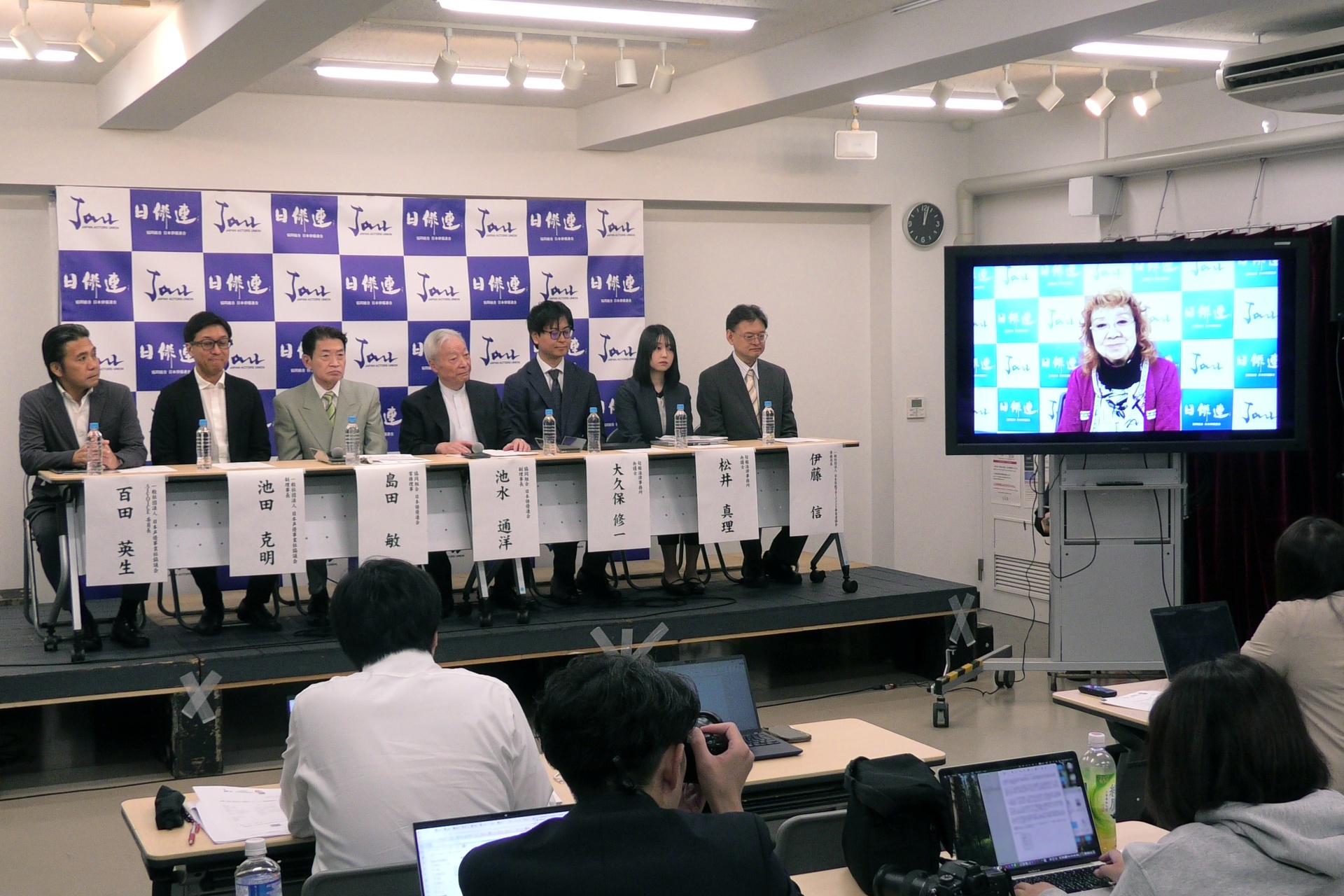
The Japan Actors Union adopted a generative AI guideline for voice on October 15, requiring prior consent from…