What happened
China's 15th Five Year Plan (2026-2030) makes embodied AI a top priority, with subsidies and humanoid training hubs, and its over 150 humanoid firms accounted for 15,000 global installations, 85% of global humanoid deployments in 2025.
Why it matters
The plan signals an unprecedented state push behind one robot form factor, making China the dominant early mover and shifting global competition toward embodied physical AI.
What to watch
Whether commercial demand catches up — only a fraction of the 150+ humanoid companies are expected to survive, and Unitree's post-listing 629% intraday surge followed by a nearly 45% drop shows the risk.
WHO IT HITSExecutives and investors in robotics and automation supply chains should watch China's consolidation, as policy-driven supply outpaces demand and could reshape global pricing and partnerships. Companies in manufacturing, logistics, or service robotics may face new Chinese competition or supply opportunities.
Summaries like this, in your inbox every morning.
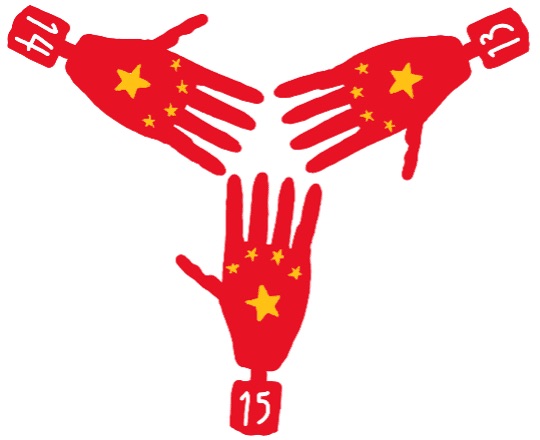
China's push into robotics is the culmination of decades of industrial planning. The 13th Five-Year Plan (2016-2020) tied robotics to the Made in China 2025 campaign, shifting the country from a low-cost factory floor to a high-tech manufacturing leader. The 14th Five-Year Plan (2021-2025) followed with sector-specific initiatives that helped domestic suppliers become market leaders at home.
That foundation brought scale but also exposed gaps. China's domestic robotics supply chains fell short of self-sufficiency goals, especially for high-precision components like strain-wave reducers, precision gearboxes, and high-performance servo motors, which remain reliant on imports from Japan and Germany. Semiconductor self-sufficiency also missed its target by an estimated 40%. The 15th FYP explicitly addresses these bottlenecks while pivoting toward embodied AI.
The gamble is enormous. State subsidies and investments from tech giants like Huawei and Alibaba are aimed at repeating China's electric vehicle dominance in humanoids. Whether this succeeds hinges on whether commercial demand can catch up to policy-driven supply before overcapacity strains local budgets and investor patience.
For example, today's edition would include:
AI-summarized, only the topics you pick — one digest a day via Email, LINE, or Slack.
Free · 30 seconds with Google · unsubscribe anytimeWhat is AIToday? →
Ask AI anything about this article. Q&As are published on this page for other readers too.
In a 46-minute interview on CBS, Nvidia CEO Jensen Huang pushed back against apocalyptic warnings about AI and…
Apollo's Torsten Sløk told clients the AI spending race depends on hyperscaler operating cash flow more than t…

A Gallup poll across 37 countries found that in 34 of them, more adults feel positively about AI than negative…
LG Energy's battery energy storage system (BESS) has qualified into Nvidia's AI Factory ecosystem
China's internet regulator is reportedly investigating DeepSeek and Moonshot AI over allegations they routed m…

Omdia says global AI glasses shipments reached 4.2 million units in 1H26, up 127% year-on-year, with Meta ship…