What happened
ActivTrak's Productivity Lab analyzed work-behavior data from 467 companies and 9,140 people between April 1 and September 25, 2026, and found AI users worked 8.4 to 9.1 hours a day versus 7.6 hours for non-AI users — a gap of up to 90 minutes.
Why it matters
The finding suggests AI adoption may be linked to longer workdays rather than shorter ones, a result ActivTrak COO Gabriela Mauch says means leaders should treat AI as a means to measurably improve productivity, not just something to adopt.
WHO IT HITSThe findings land on team leaders and operations managers deciding how to deploy AI tools, since the data links heavier AI use to longer hours and more frequent app switching.
Summaries like this, every morning.
ActivTrak's study draws on its own work-behavior data rather than self-reported surveys, which the researchers consider more reliable. The data spanned April 1 to September 25, 2026, and covered 467 companies and 9,140 people.
Beyond hours worked, the research examined focus and workflow. Heavy AI users focused for 37.8 minutes without interruption, 22% shorter than light AI users' 48.2 minutes. AI users also spent 3% of work time in meetings, compared with 5% for non-AI users.
The way AI is delivered appears to matter. Embedded AI tools in core business applications were linked to 0.6 app switches per hour, while browser-based AI tools ran 1.7 to 4.2 switches per hour. Software engineers leaned toward embedded AI, spending 78.5% of active time in coding applications, while operations managers favored browser-based AI. Gabriela Mauch, ActivTrak's COO and head of its Productivity Lab, said the goal for leaders is not simply to use AI but to treat it as a way to measurably improve productivity, efficiency, and business results.
Pick your industry and the AI tools you use, and get news related to your work every day.
Free · 30 seconds with Google · unsubscribe anytimeWhat is AIToday? →
Ask AI anything about this article. The AI reads this article, earlier AIToday articles, and Wikipedia, and cites its sources. Q&As are published on this page for other readers too.
Jamie Dimon said JPMorgan Chase is "not gonna allow just any" outside AI agent inside the company, warning "Yo…

Hithink RoyalFlush Information Network (valued at about CN¥149.23b) and SSI Securities (about ₫60.6t, 44.4% ne…

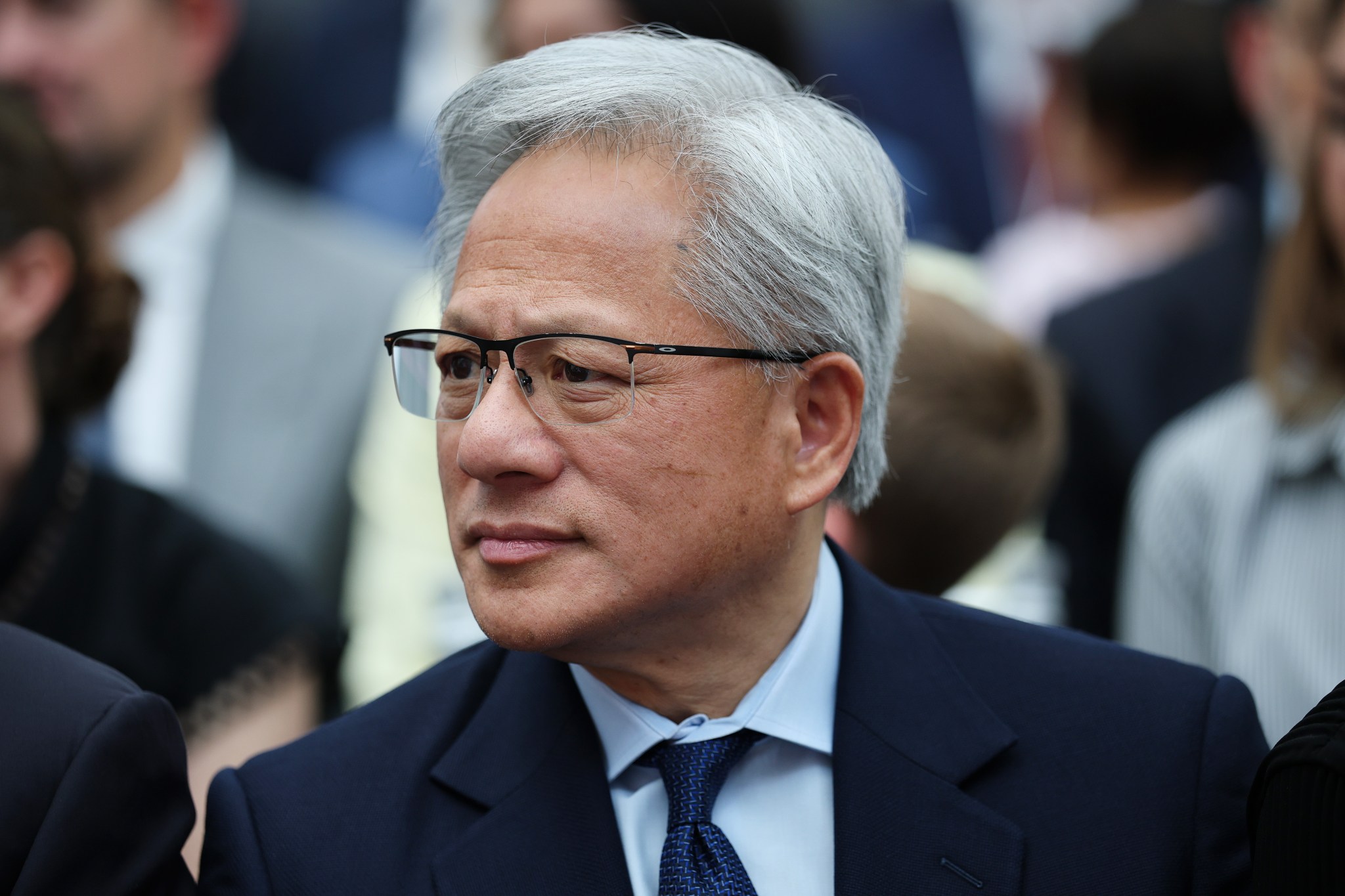
Interconnects argues Jensen Huang's resignation from Nvidia removes open models' biggest backer, warning his f…

OpenAI is dissolving its standalone robotics team and folding researchers into the main research team under Ch…
Bitfarms became Keel Infrastructure on April 1, 2026, moving its domicile from Canada to the U.S

A Fortune commentary argues Nvidia became the poster child for corruption in U.S