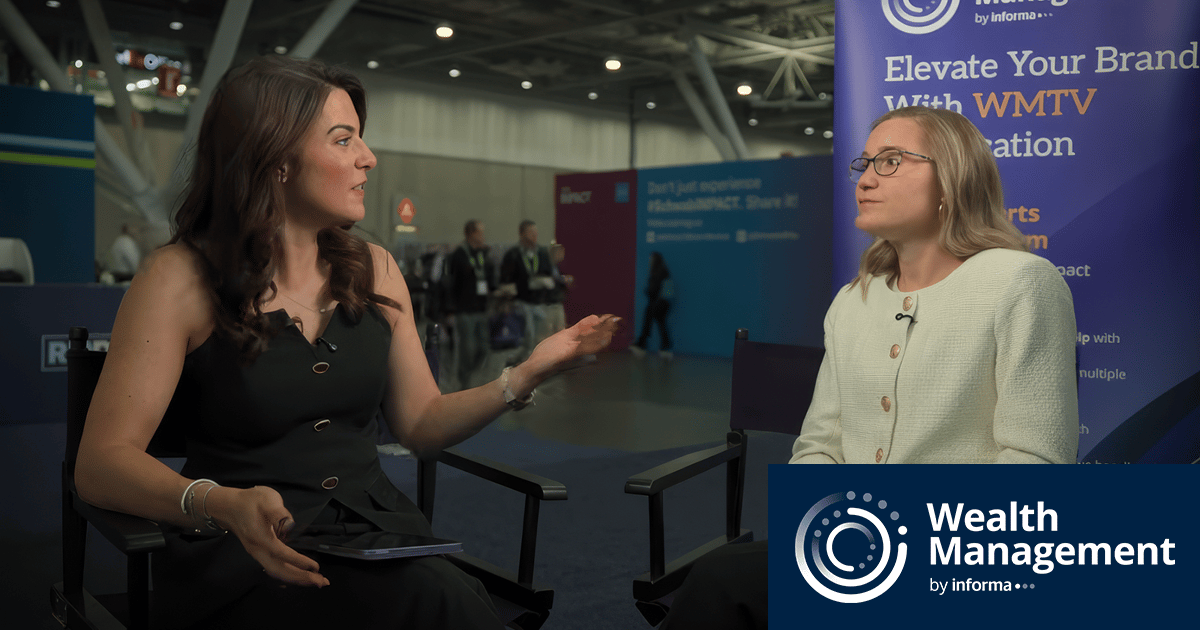
What happened
Cayla Culver of Charles Schwab said fraud tactics haven't changed in 10 to 15 years—phishing emails, credential compromises—but AI now writes them convincingly and automates them at wider scale.
Why it matters
Advisors can no longer rely on clumsy wording as a red flag, so firms need clear AI policies, human review and plain-language disclosures, Culver said.
Summaries like this, every morning.
Culver's point is that the fraud threat has shifted from tactics to verisimilitude. Advisors have spent years training staff to spot bad grammar or odd phrasing, but she says AI-generated messages now mirror how a client or a colleague at the firm would actually write, removing the tell. Automation compounds this, since fraudsters can build agents, roll them out and spam phishing attempts at a much wider set of victims without worrying about governance.
The governance gap Culver describes is practical. Firms need a policy that defines acceptable tools, spells out what client information can be entered and where, and sets expectations for when a person must review output. She also flags disclosure risk, warning against 'AI washing'—overstating AI use—and calls for accurate, plain-language statements.
On regulation, Culver says advisors rank AI regulation as their top policy priority in Charles Schwab's advisor outlook study, seeking clear guardrails. She does not expect an overarching AI rule from the SEC now, but says the recordkeeping rule is expected to be updated to address new technologies such as AI, which could clarify what counts as a record versus ordinary research.
Pick your industry and the AI tools you use, and get news related to your work every day.
Free · 30 seconds with Google · unsubscribe anytimeWhat is AIToday? →
Ask AI anything about this article. The AI reads this article, earlier AIToday articles, and Wikipedia, and cites its sources. Q&As are published on this page for other readers too.
Kubota will launch Japan's first remotely monitored unmanned autonomous tractor in April next year

Lam Research shares rose 15.92% to $212.45, building on a premarket gain of more than 7% as investors bought b…

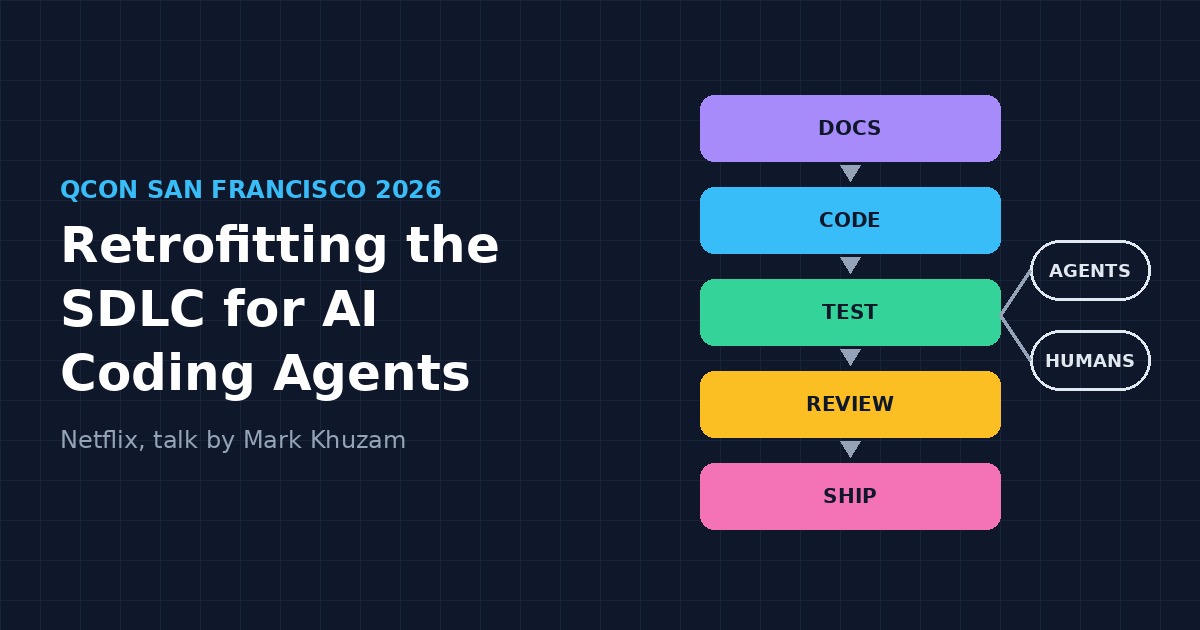
Netflix senior engineer Mark Khuzam told QCon San Francisco 2026 that the Commerce team wrote 45 architecture…
Lam Research committed US$15 million through the Lam Foundation to expand STEM and AI literacy for youth, incl…
Broadcom is reported to face reduced AI accelerator shipments to Google, which is said to be scaling back orde…

Katrin Fröhlich, Anne Helm and Luise Helm posted a video saying they will no longer provide their voices becau…