
What happened
Tereshee required every full-time employee to earn the 生成AIパスポート certification and moved internal information into Notion, where Notion AI is used to search and analyze it; prep time before sales meetings fell by 3–4 hours, and about 20 AI agents now run.
Why it matters
The agency treated the AI-literacy gap and leak fears as a shared-knowledge and data-infrastructure problem rather than a training problem, suggesting uniform baseline knowledge may be what lets AI use spread without widening service-quality gaps.
WHO IT HITSAd-agency account and sales staff who prepare client meetings stand to gain the most, since Tereshee reports 3–4 hours saved per prep cycle; other professional-services teams weighing a company-wide AI mandate may look at the certification-plus-Notion combination as a reference model.
Summaries like this, every morning.
Tereshee's starting point was a familiar one for any company that has switched on generative AI company-wide: access alone did not produce consistent use. Interviews inside the agency surfaced two opposite problems at once. Some employees said they did not know how to use the tools, and some were afraid to try because they could not tell which data was safe to input. Others, by contrast, did not fully recognize the risks that come with AI use. For an ad agency whose service quality tends to depend on the individual account person, that spread of literacy threatened to widen differences in the work clients receive.
The response was to treat the problem as two tracks rather than one. On the people side, Tereshee made the 生成AIパスポート certification mandatory for all full-time employees, giving everyone a common baseline in AI fundamentals and usage risk instead of concentrating knowledge among a few enthusiasts. On the infrastructure side, it gathered internal information into Notion and set up Notion AI to search and analyze that accumulated material in daily work. The two moves are meant to reinforce each other: a shared baseline makes it harder for usage to cluster around a few skilled staff, while a controlled information base addresses the data-leak concern that was keeping some employees from using AI at all.
The reported payoff is operational. Tereshee says meeting preparation time has fallen by 3–4 hours, and that roughly 20 AI agents are now in operation as it pushes further into automating business processes. The case is a reminder that company-wide AI adoption tends to be a knowledge-and-governance problem as much as a tooling decision.
Pick your industry and the AI tools you use, and get news related to your work every day.
Free · 30 seconds with Google · unsubscribe anytimeWhat is AIToday? →
Ask AI anything about this article. The AI reads this article, earlier AIToday articles, and Wikipedia, and cites its sources. Q&As are published on this page for other readers too.
After the post-election market rout, Sozzi says fundamentals at Nvidia, Micron, Sandisk and other AI names wer…

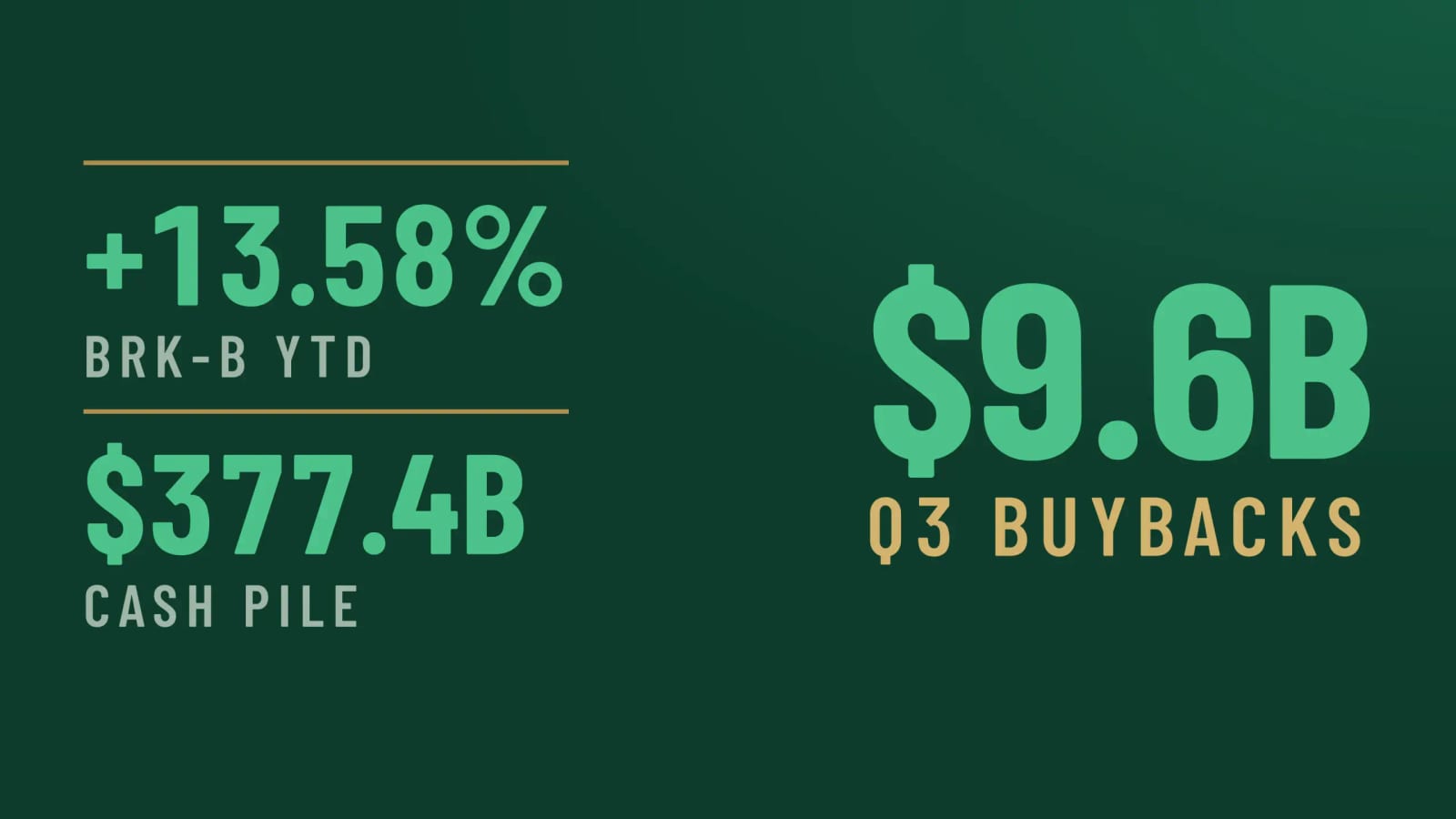
Berkshire Hathaway, now led by CEO Greg Abel, has seen its stock rise 13.58% year to date through the November…
Cisco IT deployed a multi-tenant AI factory across its global data centers, raising average GPU utilization fr…

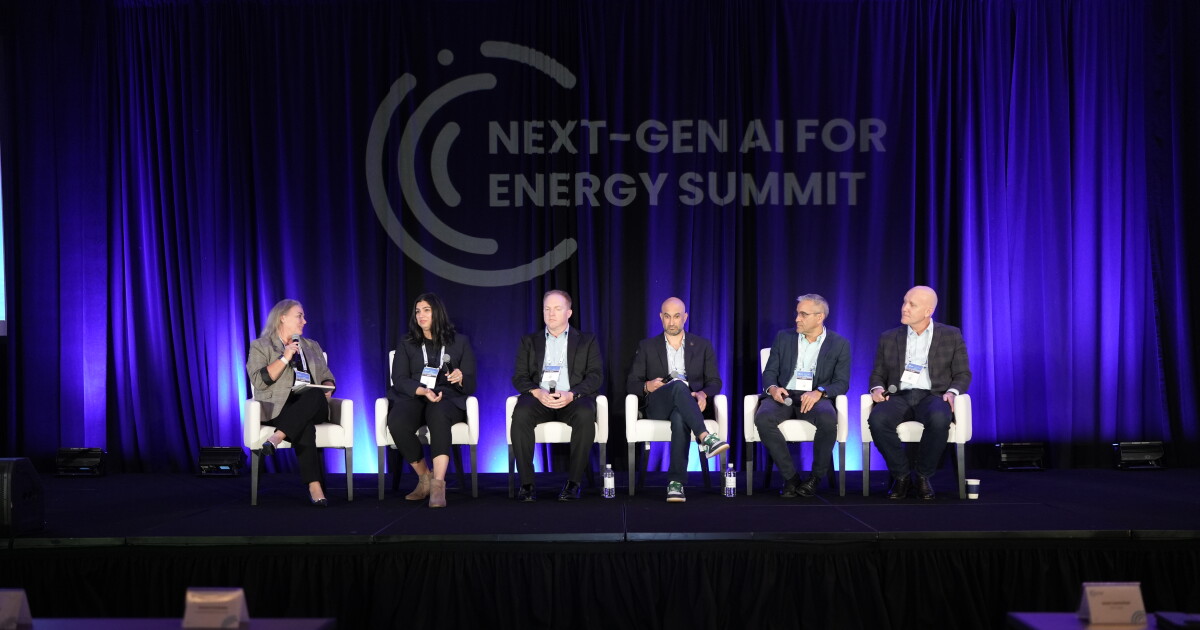
At the Next-Gen AI for Energy Summit in Houston on 3 November, Anthropic's Boaz Nur said AI will take over the…
Visa launched its Agentic Commerce Benchmark, a framework to evaluate AI-powered shopping experiences for cons…

Democrat Gina Hinojosa, who wants an immediate moratorium on data centers in Texas, beat Republican Gov