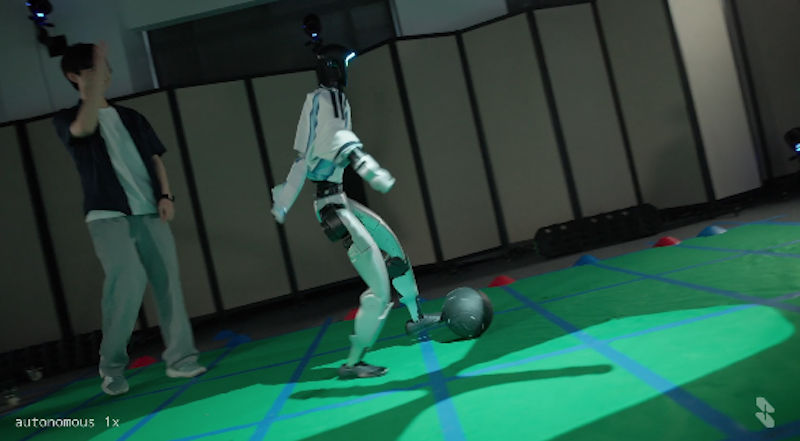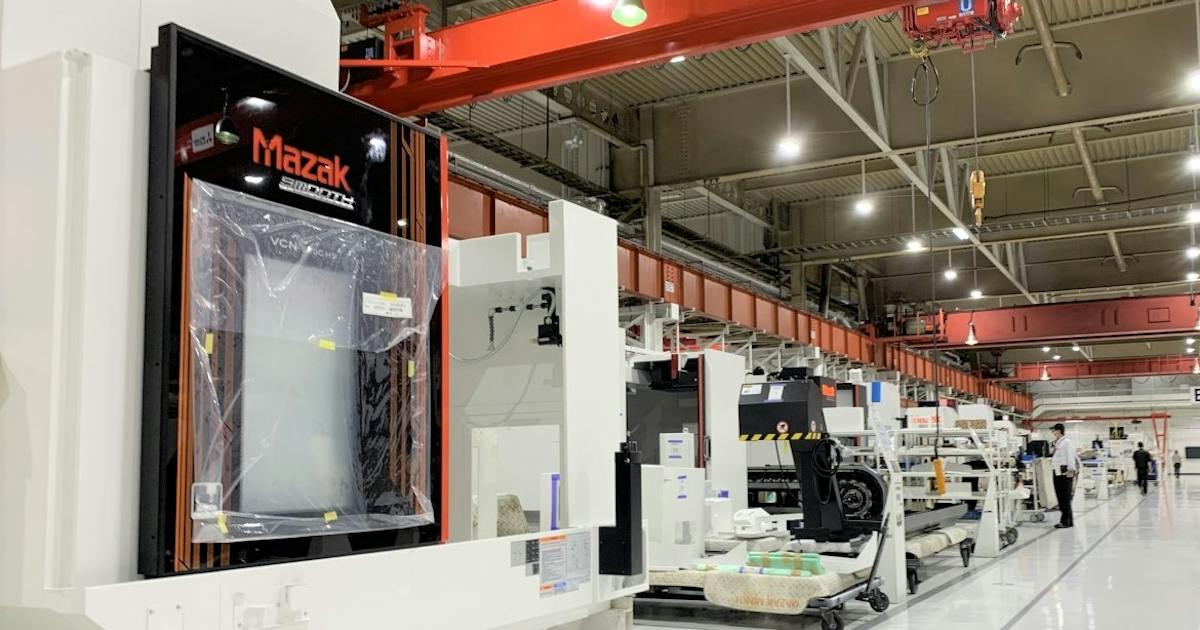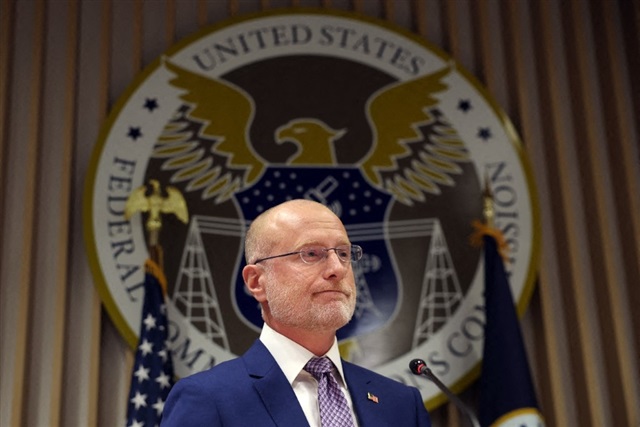
The US has blocked new foreign-made advanced robots and power inverters from obtaining regulatory approval, expanding its technology restrictions into industries the government views as critical to artificial intelligence and national infrastructure. This represents an extension of US technology controls beyond semiconductors into equipment sectors that support AI development and power systems.
Summaries like this, in your inbox every morning.
Sign up free →What happened
The US has barred new foreign-produced advanced robots and power inverters from receiving regulatory approval, extending technology restrictions into sectors critical to AI, energy infrastructure, and industrial operations.
Why it matters
These restrictions target supply chains considered essential to AI development and national infrastructure. By controlling who can sell advanced robots and power equipment in the US market, the government is using regulatory approval as a lever to shape which countries and companies can participate in these foundational industries.
What to watch
The scope and enforcement details of these restrictions remain to be clarified. The move signals a broader pattern of US industrial policy using regulatory authority to manage foreign access to technology sectors tied to AI and critical infrastructure.
The US has extended its technology restrictions by blocking new foreign-produced advanced robots and power inverters from receiving regulatory approval. This action places two industries—industrial robotics and power electronics—alongside semiconductors and other technologies in the category of strategically controlled sectors. The move signals that the US government considers advanced robots and power inverters critical to artificial intelligence development, energy infrastructure, and industrial operations, and therefore subject to controls over which foreign suppliers may operate in the American market. The mechanism relies on regulatory approval rather than outright prohibition, allowing the government to evaluate foreign equipment on a case-by-case basis while maintaining the power to deny market access. The timing reflects a broader US industrial strategy to manage foreign competition in sectors deemed essential to maintaining technological leadership and national security. As these restrictions take effect, US companies in industries dependent on robot automation and power systems may face pressure to source from approved suppliers, while foreign manufacturers will need to navigate new barriers to market entry.
The US regulatory framework governing technology approvals has become a critical tool in managing competition and foreign access to industries deemed strategically important. This latest move extends restrictions that have traditionally focused on semiconductors and software into the physical infrastructure layer—robots and power systems that support both AI deployment and broader industrial operations. By controlling regulatory approval at the point of entry, the US government can shape the competitive landscape without explicit tariffs or bans, making approval authority itself a form of industrial policy. The connection between these two product categories—robots and power inverters—suggests the government views them as an integrated supply chain essential to AI infrastructure, linking hardware manufacturing, energy systems, and industrial automation into a single strategic concern.
AI-summarized, only the topics you pick — one digest a day via Email, Slack, or Discord.
Free · takes 30 seconds · unsubscribe anytime
No comments yet. Be the first to share your thoughts!
Log in to join the discussion


Get curated AI news from 200+ sources delivered daily to your inbox. Free to use.
Get Started FreeFree · takes 30 seconds · unsubscribe anytime