What happened
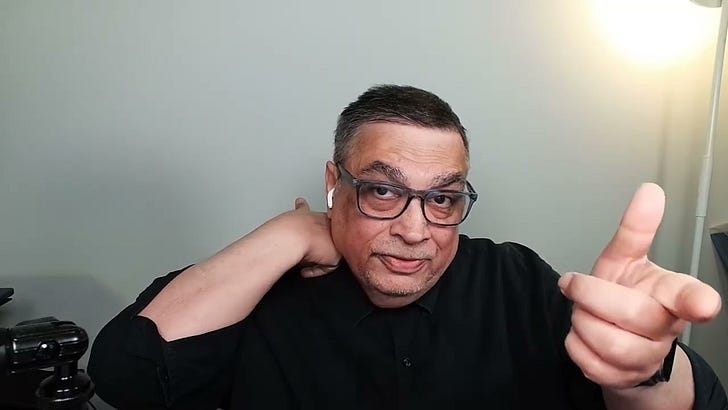
Writing as Gulliver's Travels turns 300, a politics professor says he instituted a ban on all phones and laptops, moved to in-class written and oral exams, and largely dropped PowerPoint for chalk and talk.
Why it matters
He describes grading take-home papers as a nightmare because AI detectors are unreliable and students say services exist to "humanify" AI writing — so he cannot prove suspected AI use, which he sees as corroding teacher-student trust.
What to watch
He says the response has been broadly positive, with students acknowledging benefits of a tech-free space — but he notes some students pained for the return of PowerPoint slides, and he plans to hold firm.
WHO IT HITSUniversity instructors and teaching staff weighing classroom AI rules, and students adjusting to device-free, in-class assessment.
Summaries like this, in your inbox every morning.
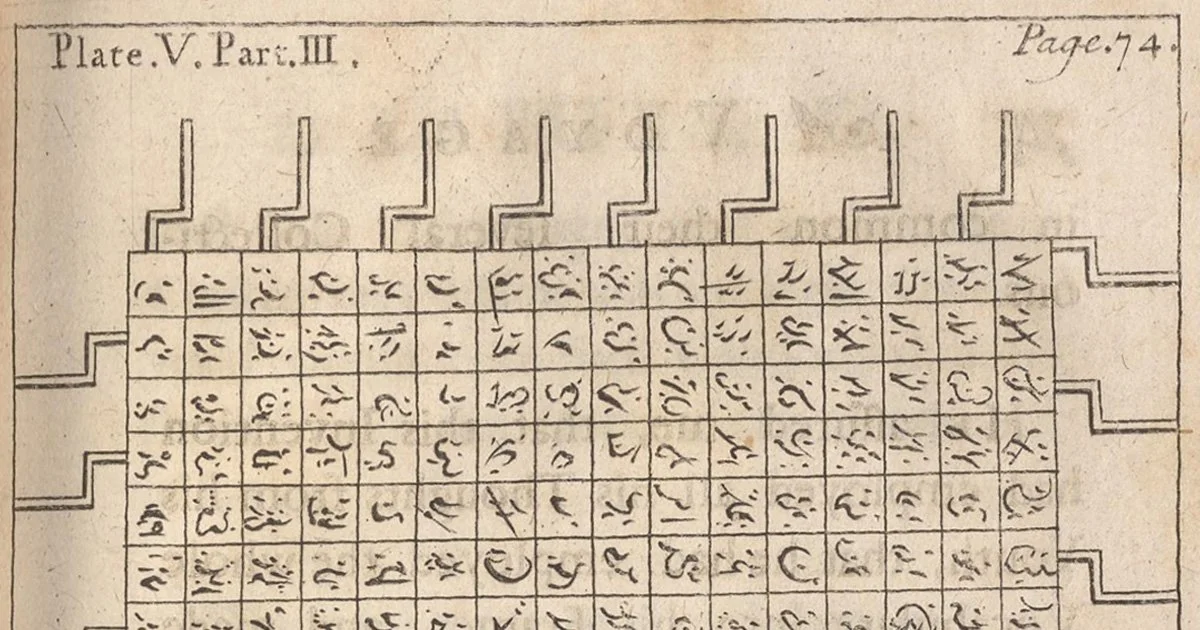
The essay ties today's classroom AI debate to a much older argument. Swift's third voyage takes Gulliver to the Academy of Lagado, where scientists pursue experiments with little concern for useful outcomes, and to a wooden contraption that lets "the most ignorant person" write books "without the least assistance from genius or study." The author reads that device as an early picture of both the autocomplete nature of large language models and the precarious workers whose labour underpins generative AI.
The piece also draws a parallel between Swift's Laputans — so absorbed in speculation that servants had to rattle them back to attention — and modern distraction, from phone scrolling to students day trading cryptocurrency during lectures. He recalls a student telling him he made $8,000 trading $MELANIA Coin while the class discussed the first referendum on Quebec sovereignty.
What the outcome hinges on is whether a device-free classroom can hold. The author says students broadly acknowledge the benefits, but also notes some want the slides back, that AI use is widespread enough to pressure students to follow suit, and that AI boosterism at some US commencement speakers was booed earlier this summer. For instructors, the test may be whether the approach protects the teacher-student relationship without turning the classroom into a policing exercise.
For example, today's edition would include:
AI-summarized, only the topics you pick — one digest a day via Email, LINE, or Slack.
Free · 30 seconds with Google · unsubscribe anytimeWhat is AIToday? →
Ask AI anything about this article. Q&As are published on this page for other readers too.
Meta introduced its Muse AI agent, triggering a rally in Intel and fellow chip stocks, while AMD reached a $1T…

Qualcomm announced that its Snapdragon X Series processors will power Googlebook, a new line of laptops descri…

Opro will hold a free online seminar on September 29 to October 1, 2026, introducing "Kamiresu," which digital…

Fujitsu said it will evolve Uvance, launched in October 2021, into an AI Transformation model, shifting to ind…

John Deere introduced JD, an AI assistant inside Operations Center that lets farmers ask questions about their…

OpenAI and Anthropic are close to signing a deal to stress-test each other's commercially released frontier AI…