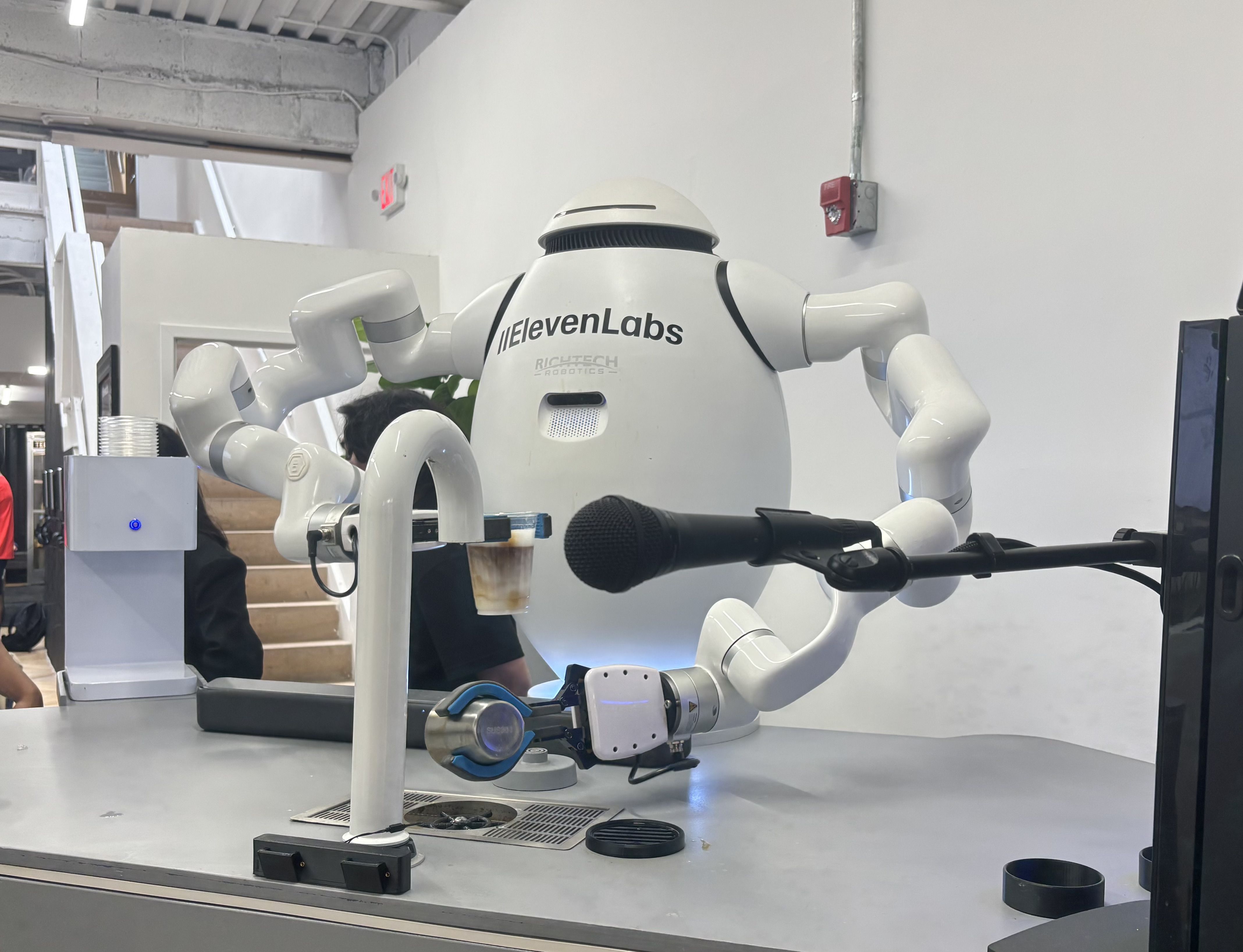
ElevenLabs demonstrated a voice-powered robot at a New York pop-up that took coffee orders and prepared drinks with minimal human involvement, but the system had difficulty recognizing voices and experienced significant lag due to network issues.
The voice model misidentified the user's name, hearing "Rachyl" as the more typical spelling "Rachel," illustrating challenges in voice recognition accuracy during real-world customer interactions.
Customer service chatbots have not gained the trust of average users, who tend to request a human agent immediately upon hearing an AI voice, even if waiting longer for assistance, despite years of the technology being touted as a key use case for AI.
Summaries like this, in your inbox every morning.
Pick your industry and the AI tools you use, and get news related to your work every day.
Free · 30 seconds with Google · unsubscribe anytimeWhat is AIToday? →
Ask AI anything about this article. The AI reads this article, earlier AIToday articles, and Wikipedia, and cites its sources. Q&As are published on this page for other readers too.
ElevenLabs completed a $300 million employee tender at a $22 billion valuation, and co-founder Mati Staniszews…

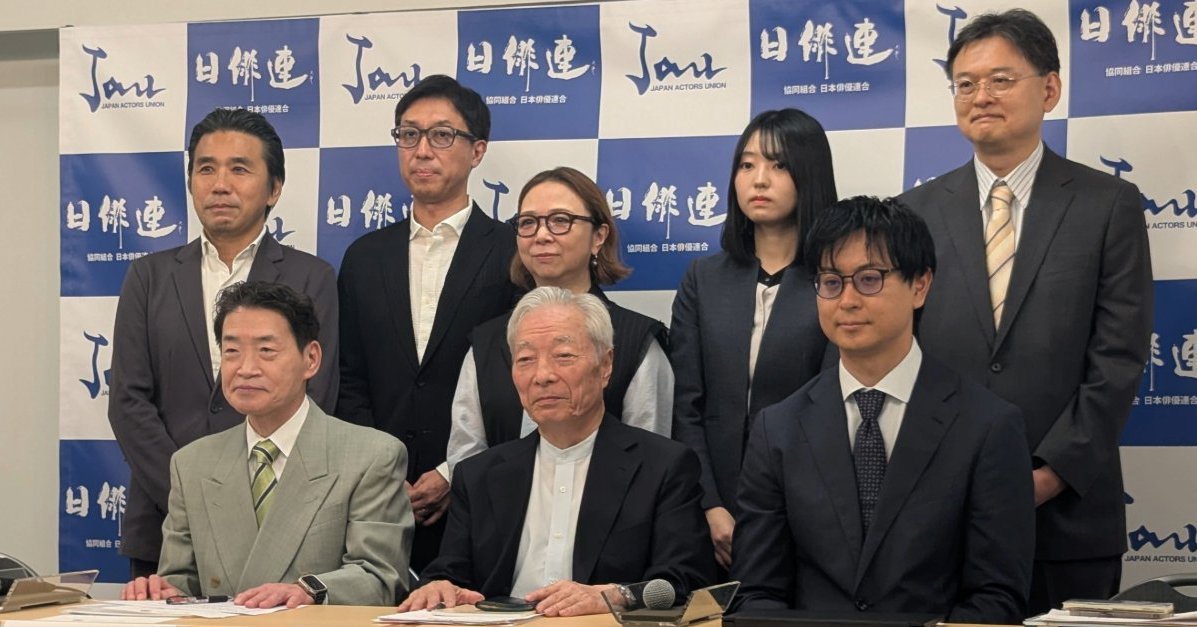
Nichiren announced its generative AI voice usage guideline on October 15, built on three pillars: prior notice…
A walkthrough shows Irodori-TTS, an open Japanese-only TTS model by Aratako, running on Databricks Model Servi…

A solo developer built Yurune, a web app that plays synthesized rain, wave and forest sounds and lets users ta…

The developer benchmarked Moonshine Voice's Japanese "Small Streaming" model against faster-whisper's small mo…

The Japan Actors Union adopted a generative AI guideline for voice on October 15, requiring prior consent from…