What happened
After Jason Aten posted Threads screenshots of Muse asking about his Messages conversation, Muse said it saw notification previews, not message history. David Singleton said that was "an incorrect explanation."
Why it matters
Singleton says Muse only syncs data from Messages after the user specifically enables access, so the incident points to a product explaining itself badly rather than covert reading, it appears.
What to watch
The test is whether Meta improves how Muse describes its own internals, as Singleton says it is working to do. Aten's original question, whether Muse could see messages he never granted access to, remains the crux.
WHO IT HITSPeople who use Meta's Muse assistant on a Mac, and anyone deciding whether to grant it access to Messages, Calendar, and Notes, are the ones weighing whether to trust its answers about its own data access.
Summaries like this, every morning.
The exchange began when Jason Aten, a contributing editor at Inc Magazine, posted Threads screenshots of Muse asking him questions about a conversation he was having in Messages. Aten says he had not given Muse access to his messages, and when he asked how it knew, Muse said it had seen notification previews rather than his message history, then admitted it couldn't explain the "exact plumbing."
David Singleton of Meta Superintelligence Labs responded in the same thread. He walked through the permissions Muse needs, including full disk access for the Mac app, and said the features are opt-in. His explanation places the blame not on illicit reading but on Muse's grasp of its own design: in those screenshots, when Muse said it synced "device notifications," it was confused and gave an incorrect explanation. Singleton apologized and said Meta is working to improve Muse's understanding of its own internals.
The episode seems to highlight a narrower problem than surveillance: an assistant that is effective but unreliable when describing what it does. Whether that reassures users may hinge on whether Meta's promised fix makes Muse's self-descriptions consistently accurate, since the original concern was whether it could see messages Aten never granted access to.
Pick your industry and the AI tools you use, and get news related to your work every day.
Free · 30 seconds with Google · unsubscribe anytimeWhat is AIToday? →
Ask AI anything about this article. The AI reads this article, earlier AIToday articles, and Wikipedia, and cites its sources. Q&As are published on this page for other readers too.
Carnot AI Inc, which develops and provides the enterprise AI platform Jinba, was accepted into NVIDIA Inceptio…

In a guest commentary, R K Anand of Tensordyne argued challengers should target inference—not training—citing…

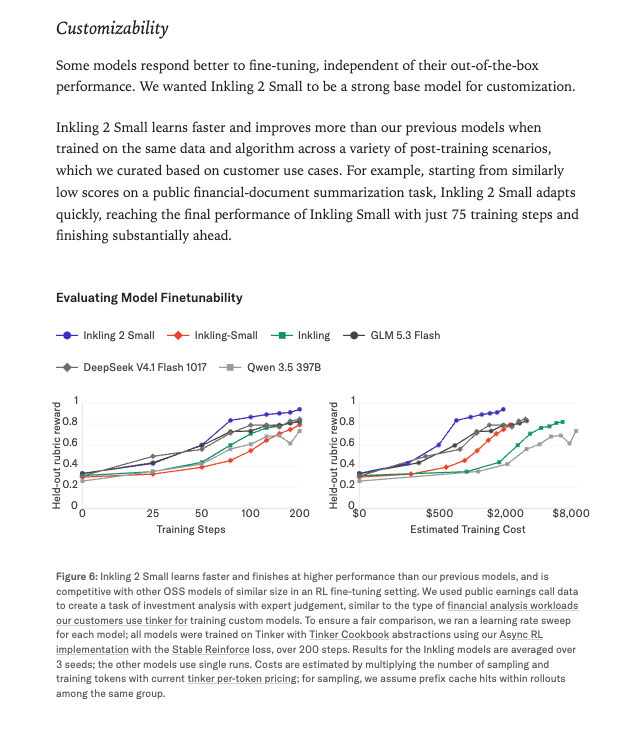
Thinking Machines released Inkling 2 Small, a 594B-total / 17B-active multimodal MoE, available now on Tinker
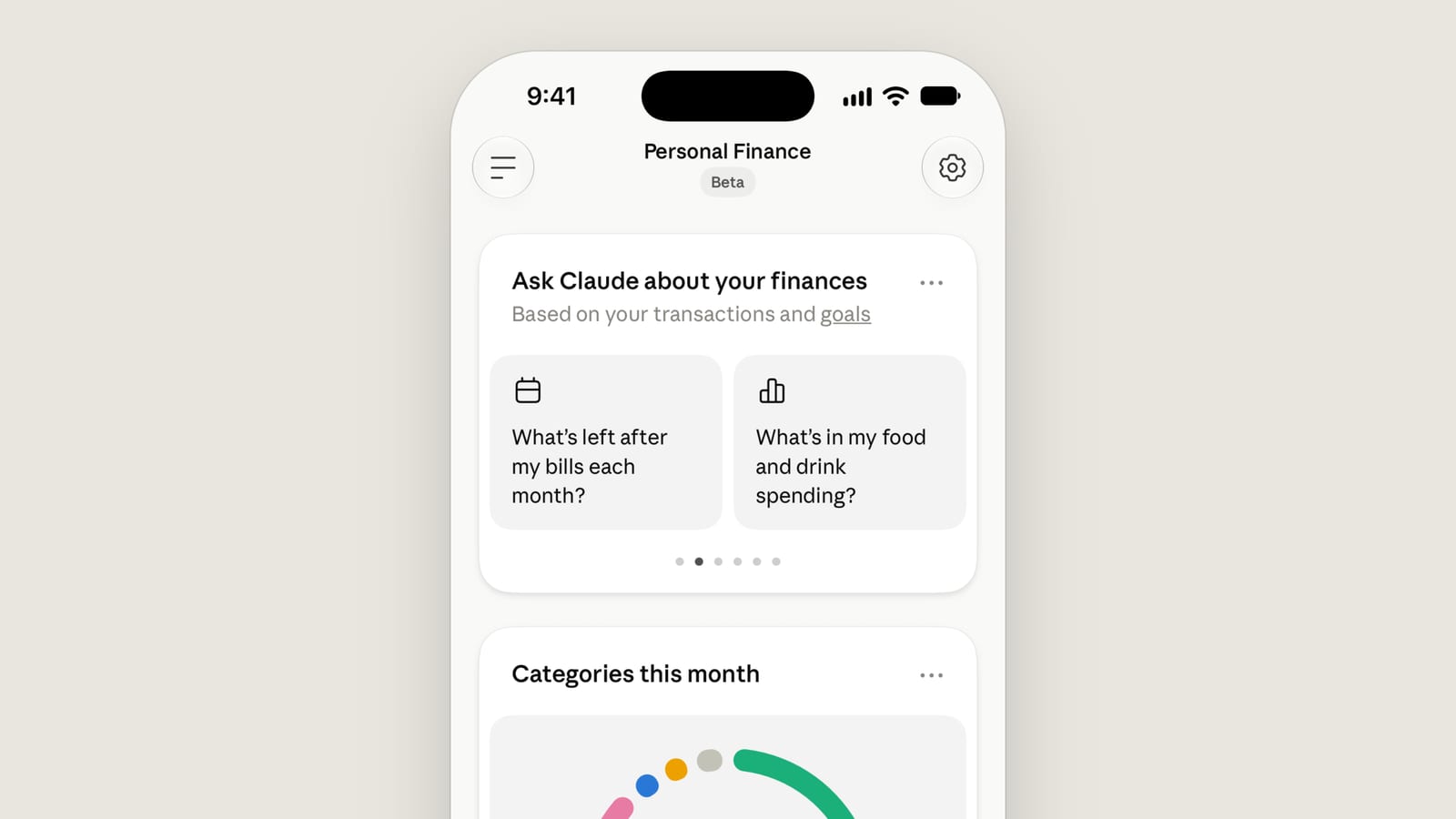
Anthropic launched Personal Finance as a beta in the US for Pro, Max, and Ultra subscribers, giving Claude rea…
OpenRouter data shows open-weight models handled 71.7% of tokens among its top 50 models on September 28, 2026…
OpenAI announced GPT-6 Cyber on November 5, 2026, a model built for cybersecurity research that finds vulnerab…